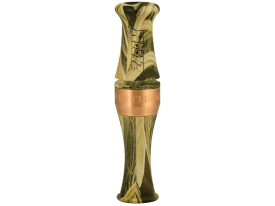
A duck call, a turkey diaphragm, and an elk bugle are all "game calls," but they have almost nothing else in common — different techniques, different learning curves, and different mistakes to avoid. The picks below are grouped by species and chosen specifically for how forgiving each one is to a first-time caller, not for tone range or price. Four of the picks below (deer, duck, turkey, and goose) also carry real, verified Amazon star ratings and review counts — we call those out separately from the rest.
These four calls all carry real, verified Amazon star ratings and review counts (not estimates), so if you want a pick backed by thousands of other hunters' experience, start here.
Best Deer Call
Extinguisher Deer Call by Illusion Hunting Calls (10-in-1 Grunt Tube)
★★★★½(11,754)
Ten whitetail vocalizations, including buck grunts, doe bleats, and the snort-wheeze, in one adjustable grunt tube. It's one of the best-reviewed deer calls sold on Amazon, with nearly 12,000 ratings backing it up.
Duck Commander Classic Duck Calls (Shadow, Single Reed)
★★★★½(4,428)
The single-reed acrylic call that built the Duck Commander name, tuned for a wide range from soft feeding chuckles to loud hail calls. Thousands of Amazon reviews back up the 4.7-star rating.
A slate-and-glass pot call built for clean, easy-to-learn yelps, clucks, and purrs. Well over 1,700 Amazon reviews make it one of the most proven pot calls for hunters just getting into turkey calling.
A short-reed call tuned for loud, sharp clucks and honks that carry to working flocks at distance, backed by more than 500 real Amazon reviews at 4.5 stars.
More Picks by Species (Including Elk & a Decoy Upgrade)
These picks round out the lineup with an elk call, a second waterfowl decoy option, and alternate species/style picks. Where we don't have verified review data, we say so rather than guessing.
Best Duck Call for Beginners
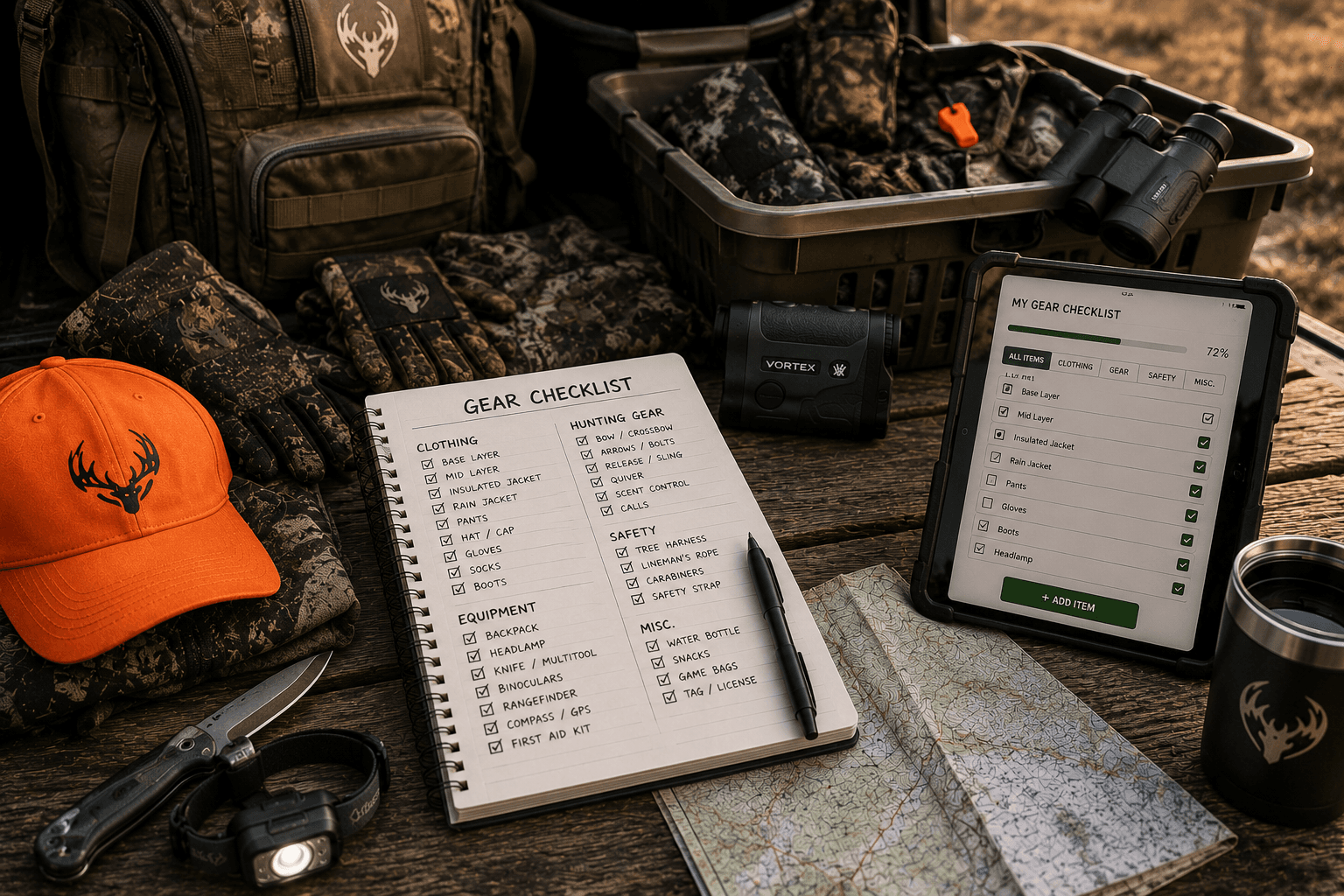
Duck Commander Pro Series Smoke Gray Duck Call
A double-reed acrylic call is the most forgiving place to start — it takes less air pressure and precision to produce a usable quack than a single-reed call, while still sounding sharp enough to work in the field.
At under $9, this 6-in-1 call reproduces pintail and wigeon vocalizations alongside standard mallard sounds — a cheap way to add species variety to a spread without buying five separate calls.
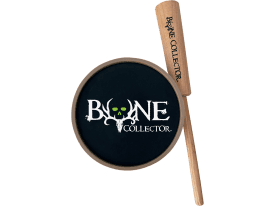
Bone Collector Lights Out Aluminum Pot Turkey Call
Pot calls are widely considered the easiest turkey call style to learn — striker technique is more forgiving than controlling airflow on a diaphragm, and aluminum surfaces give a sharp, carrying tone.
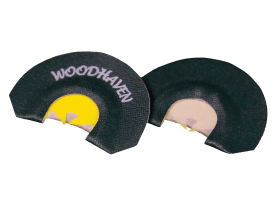
Woodhaven Custom Calls Talon Turkey Hen Mouth Call
Once you're ready to go hands-free, a diaphragm mouth call lets you keep both hands on the gun or bow — genuinely harder to learn than a pot call, but worth adding once the basics click.
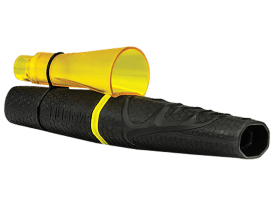
Hunters Specialties No Bull Deer Call, Black/Yellow
A built-in snort-wheeze setting gives you a genuinely more aggressive rut vocalization than a standard grunt tube, without needing to learn a separate call.
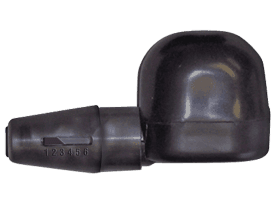
A rubber squeeze-bulb design is the simplest way to start calling elk — there's no reed placement or air control to learn, unlike a diaphragm elk call.
A motion-style goose decoy adds movement to a spread, giving incoming birds something to focus on once your calling gets their attention — calling and decoying work as a system, not separately.
An open-reed, bite-style cow call that's quicker to pick up than a diaphragm call, with real Amazon review data (4.5 stars, 850+ reviews) backing up how well it works for cow and calf vocalizations.
Flambeau Outdoors Storm Front 2 Mallard Decoys, 6-Pack
★★★★½(762)
A 6-pack of full-body mallard decoys with molded feather detail and keel-weighted bases, rated 4.7 stars across 750+ Amazon reviews — a proven way to round out a duck spread alongside the calls above.
Calls were evaluated species by species — a beginner-friendly duck call and a beginner-friendly elk call solve completely different problems, so picks were grouped by species and by how forgiving each call is to learn rather than ranked on a single scale.
Learning curve first
For each species, we favored the call style that's easiest for a first-timer to get a usable sound out of — double-reed over single-reed for ducks, pot calls over diaphragms for turkey, squeeze-bulb over diaphragm for elk — before considering tone options or price.
Decoys as part of the system
A decoy was included alongside the calls because calling and decoying work together — a spread gives incoming birds something to look at once a call gets their attention.
Real spread across species
Picks cover waterfowl, turkey, deer, and elk instead of only duck calls, since HuntGearGuide's audience hunts more than one species and the buying advice differs meaningfully by species.
Honest about ratings
Deer, duck, turkey, and goose have a verified, real-Amazon-review pick with actual star ratings and review counts. The remaining species and style picks are chosen on build quality and technique rather than review volume, and we say so instead of implying a rating that doesn't exist.
Unless a page explicitly says a product was tested hands-on by HuntGearGuide, recommendations are based on product specifications, owner review data, merchant/manufacturer information, and practical hunting-use fit. Prices, ratings, review counts, and availability are point-in-time snapshots, so confirm the current merchant listing before buying.
Which Pick Is Right for You?
New to duck hunting?
Start with the Duck Commander double-reed call — it's the most forgiving reed style to learn on.
Hunting multiple duck species?
The 6-in-1 Pintail Wigeon call adds species variety for under $9 without buying separate calls.
Chasing geese?
The Power Calls Ion open call is built for one-handed use, keeping a hand free on the gun or bow.
New to turkey calling?
Start with the Bone Collector pot call, then add the Woodhaven diaphragm once you're ready to go hands-free.
Calling deer during the rut?
The Hunters Specialties No Bull call's snort-wheeze setting is a genuinely more aggressive option than a standard grunt tube.
New to elk hunting?
The Wayne Carlton's squeeze-bulb call is the simplest way to start — no reed placement or air control to learn.
What To Look For in a Game Call
Learn one call well before adding a second
It's tempting to buy a call for every species at once, but a single call you've actually practiced with will out-perform a drawer full of calls you haven't. Start with the species you hunt most and build from there.
Reed and cut type determine the learning curve
Double-reed duck calls, pot-style turkey calls, and squeeze-bulb elk calls are all built to be more forgiving for new callers. Single-reed calls, diaphragms, and glass/slate combinations offer more control and tone range once you've put in practice time.
Decoys and calls work together
A call gets an animal's attention; a decoy gives it a reason to keep coming. Neither one does the whole job alone, especially in heavily-pressured areas where game has learned to be cautious.
Practice away from the field first
A truck cab or backyard is a much better place to work out a bad note than a treestand or blind. A few minutes of practice a day builds consistency faster than occasional attempts in the field.
FAQ
Double-reed duck calls are generally easier to learn than single-reed calls — they require less precise air control to produce a clean sound, though single-reed calls offer more tone range once you've developed technique.
Pot calls (also called friction calls) are typically easier for beginners since the technique relies on striker control rather than airflow. Diaphragm mouth calls take more practice but let you call completely hands-free once you're comfortable with them.
Yes — a squeeze-bulb elk call is one of the simplest ways to start calling elk, since there's no reed placement or air pressure technique to learn. Diaphragm elk calls offer more realistic, varied vocalizations but take considerably more practice.
Not strictly, but calls and decoys work best together. A call brings an animal's attention toward you; a decoy gives it a visual reason to keep approaching instead of hanging up at a distance.
Disclosure: As an Amazon Associate, HuntGearGuide earns from qualifying purchases. Some links above are affiliate links from other partners too, at no extra cost to you. This helps us keep the tools free.