How much insulation do I need?
It depends on activity level as much as temperature — a boot that's warm enough for a long, still cold sit can overheat you on a walking hunt. Match insulation weight to how much you'll be moving, not just the forecast.
Are rubber boots worth it over leather?
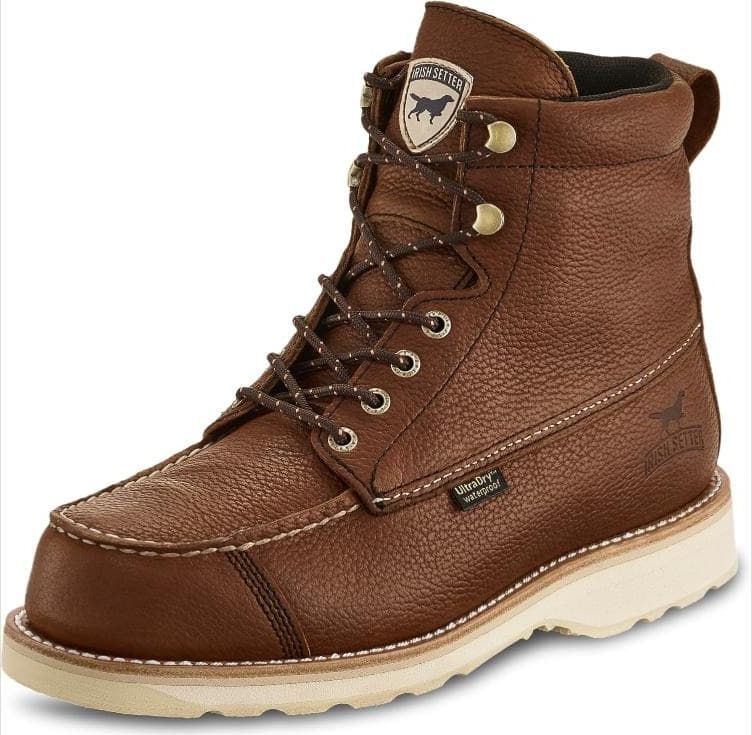
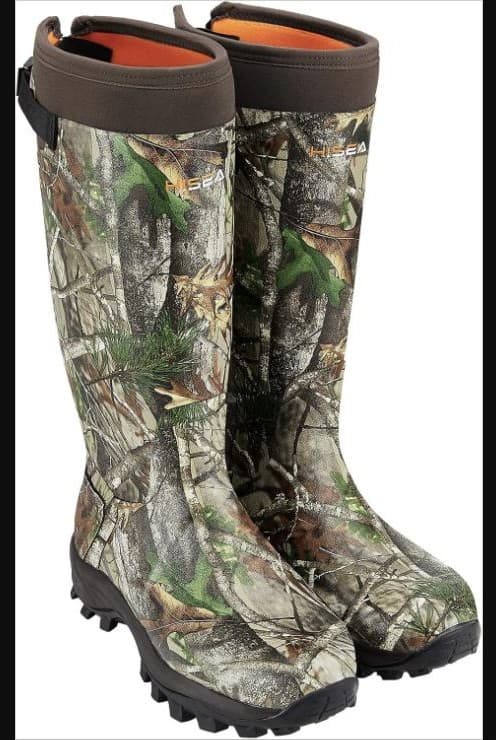
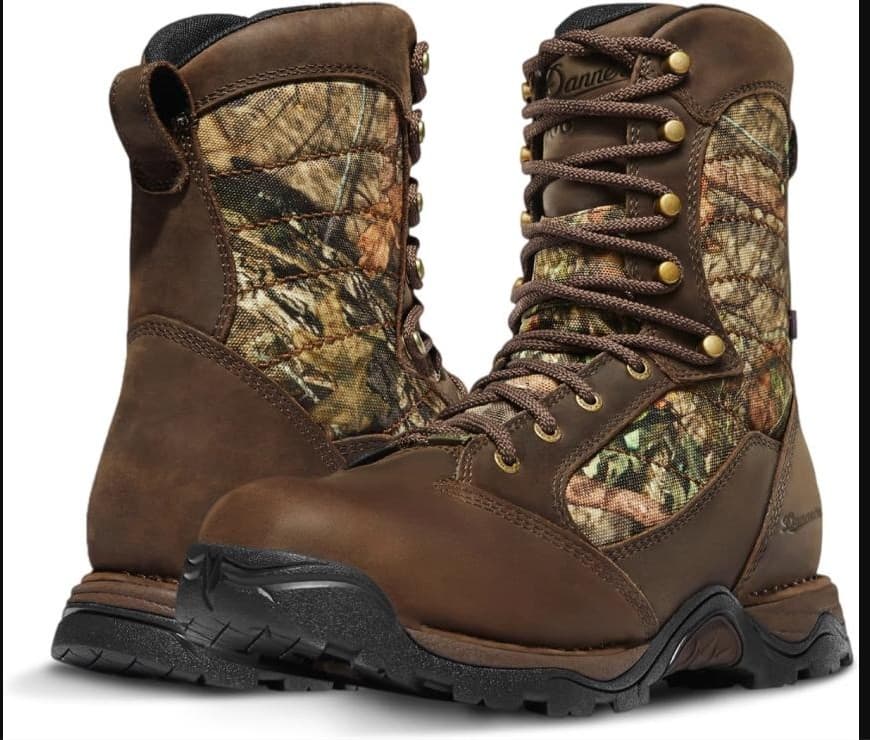
Rubber boots are fully waterproof and scent-reducing, which matters for close-range bowhunting. Leather boots typically offer better support and break-in comfort for long walks, at the cost of some waterproofing.
How important is traction versus warmth?
For steep or wet terrain, traction should come first — a warm boot that slips on a hillside is a real safety issue, not just a comfort tradeoff.
How should hunting boots fit?
Size for the socks you'll actually wear afield, not the socks you tried them on with — most hunters go up a half size to fit a heavier wool sock without cramming their toes. A boot that's snug in the store often turns painful after a few miles once your feet swell during the day.
How long does it take to break in hunting boots?
Leather boots need real break-in time — start wearing them on short walks a few weeks before season, not the morning of opening day. Rubber and rubber-over-neoprene boots need little to no break-in, which is one reason hunters often keep a rubber pair as a backup even after investing in leather.
Are expensive hunting boots worth it over budget models?
Budget rubber boots under $100 can be genuinely good — waterproof, insulated, and fine for most stand and blind hunts, provided the model has real review data behind it rather than just a low price. $100-$200 typically adds better traction, more durable construction, and dedicated leather or premium rubber builds. Above $200, you're mostly paying for materials like full-grain leather and GORE-TEX, arch support, and brand construction quality that matters most on long, rough-terrain walking hunts.