Elk aren't just bigger deer. Thicker hide, heavier muscle, and a real chance of hitting a rib or shoulder blade on a quartering shot mean the broadhead decision that works fine for whitetail can come up short on elk-sized game — penetration and reliability matter more here than maximum cutting diameter.
The six picks below cover a top-rated titanium option, a classic fixed blade, a design built specifically for hide and bone, an extended-range fixed 3-blade, a hybrid for a bigger blood trail, and a crossbow-specific head. Check the elk hunting gear guide to plan the rest of your kit, or browse the broadheads shop for the full lineup.
Top Broadheads for Elk Hunting
Best Overall for Elk Hunters
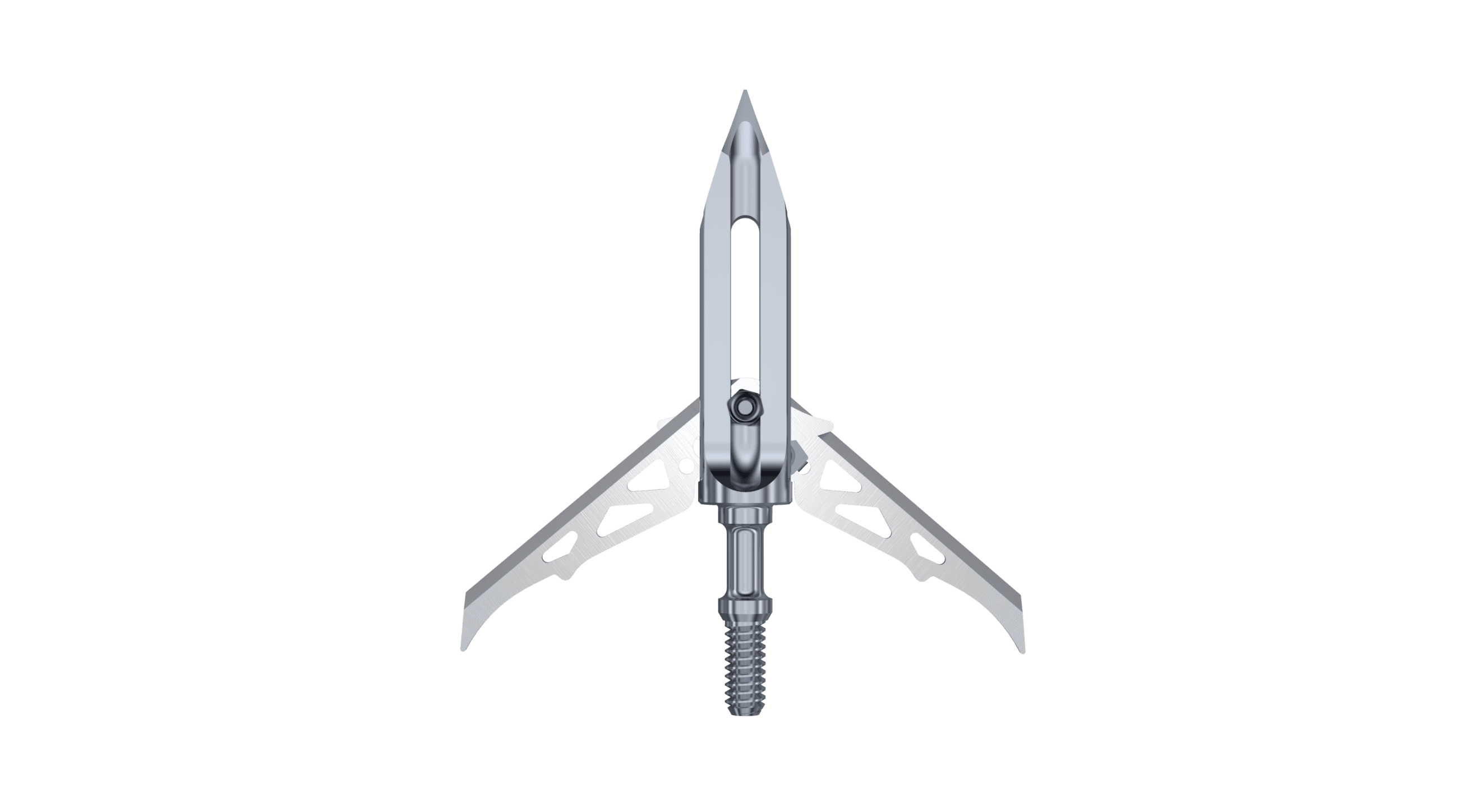
Ravin Titanium Broadheads 3 Pack
★★★★½(87)
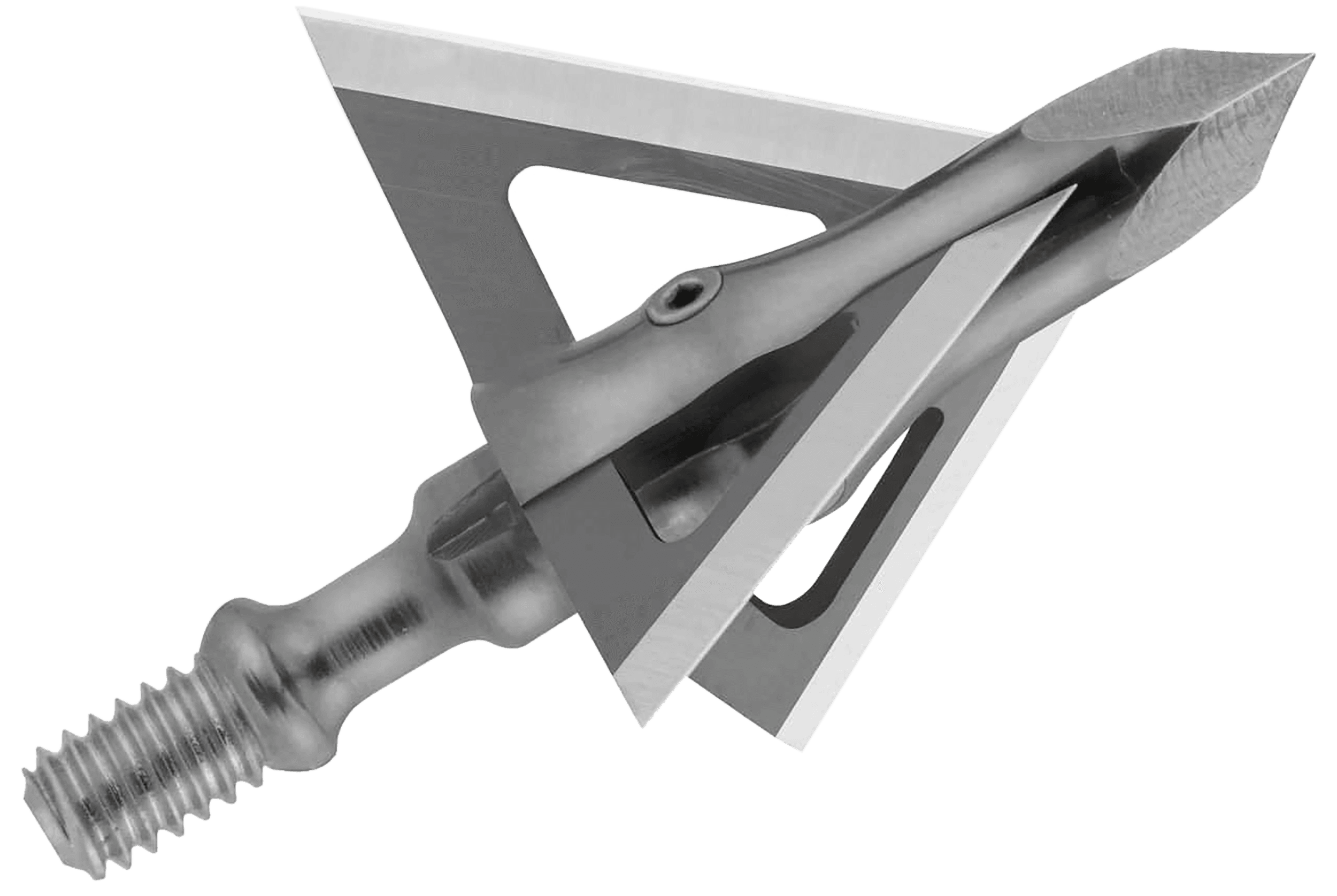
Grade 5 titanium construction is genuinely tougher under a hard, bone-heavy impact than the aluminum or standard steel most broadheads use, and the rear-deploying design is built to hold together through it. A 4.9-star average across 27 reviews backs up the durability claim rather than leaving it as marketing copy.
No moving parts means nothing to fail on a quartering shot that catches a rib or shoulder blade — the exact scenario elk hunters worry about more than deer hunters do. Five heads to a pack instead of the usual three gives you spares for practice and season without buying twice.
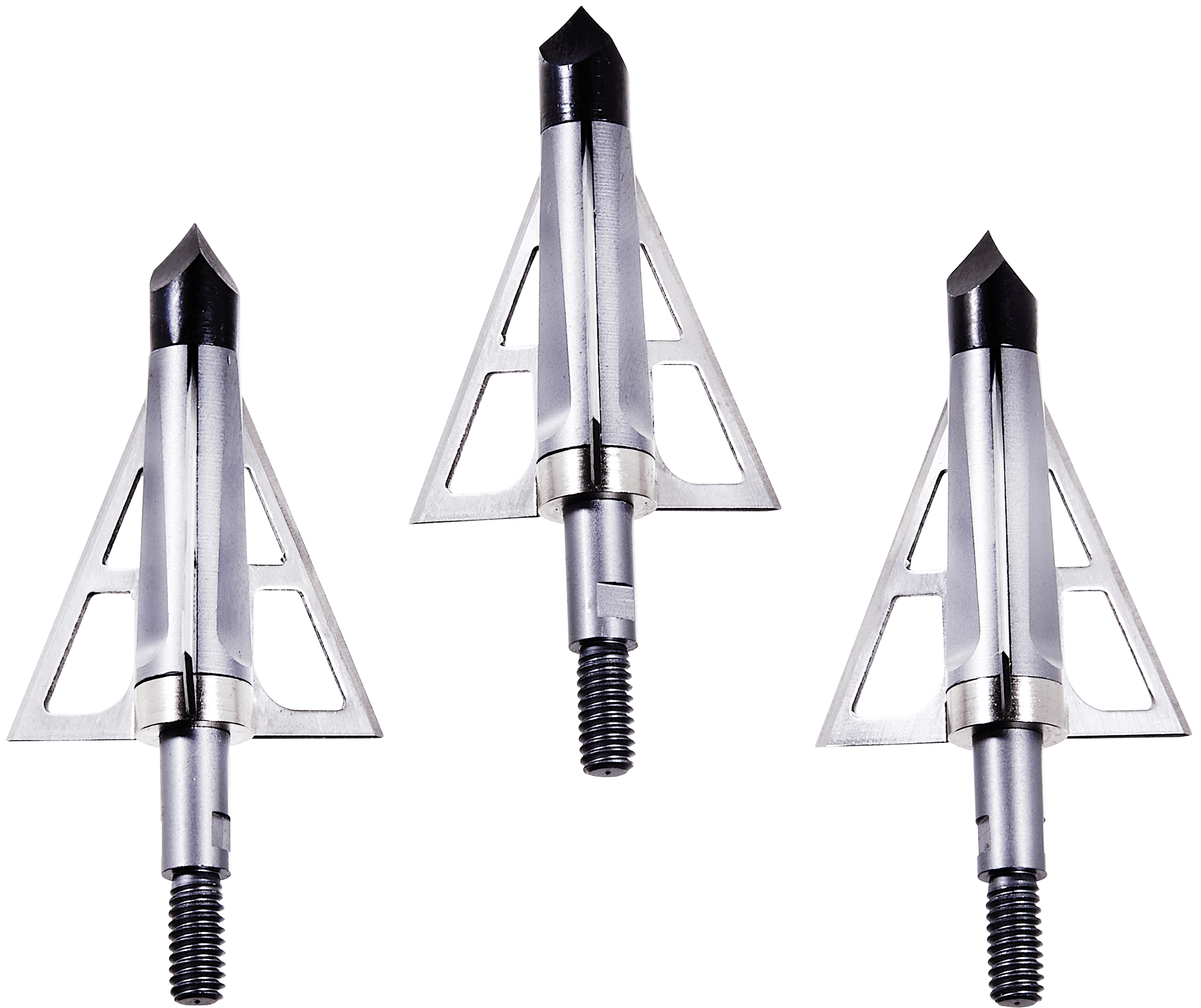
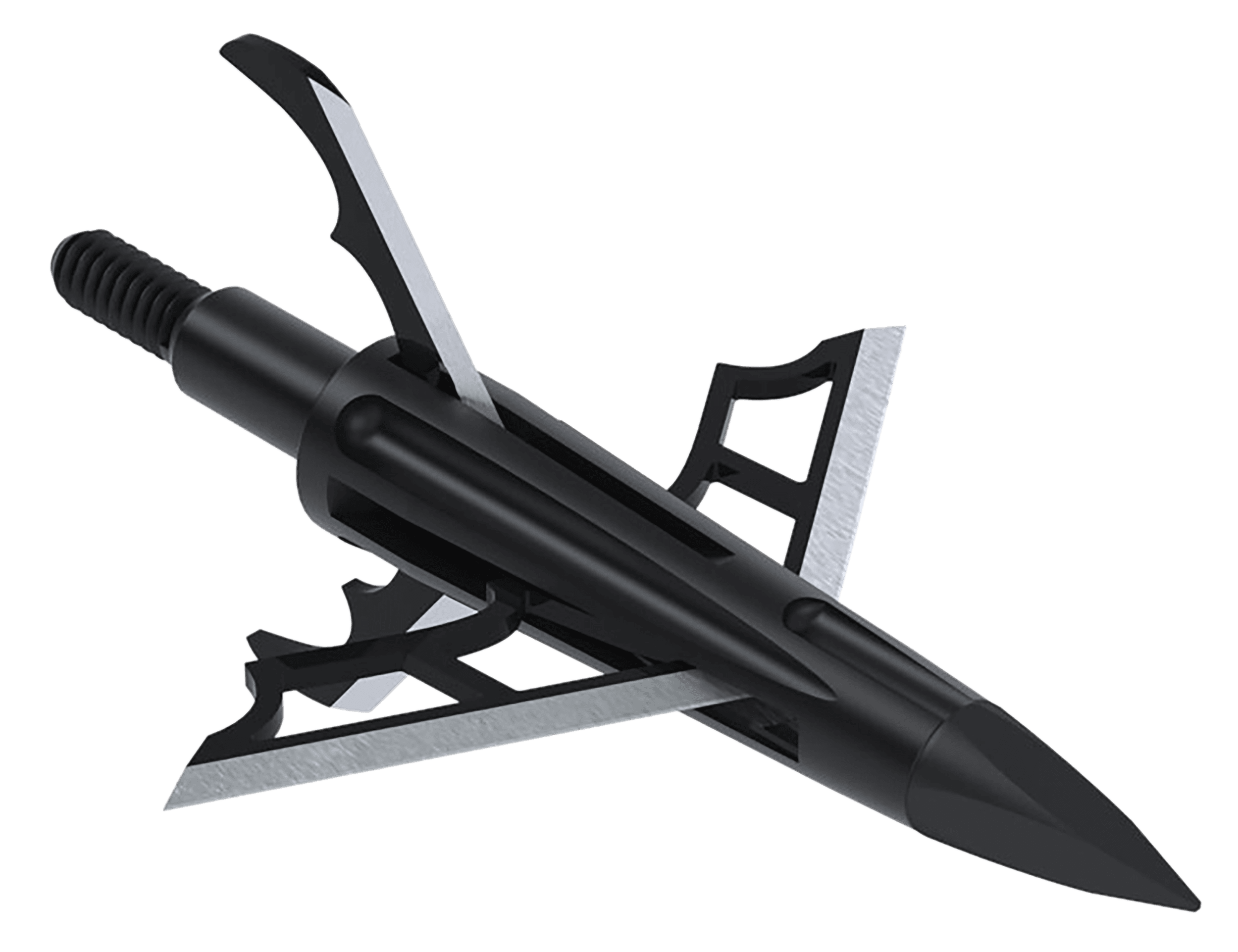
This one is built and marketed specifically to punch through hide and bone, with a hardened carbon chisel tip and razor-sharp .032-inch stainless blades — precisely the design goal that matters most on elk-sized game. A smaller 1.25-inch cutting diameter trades some wound channel for that penetration focus, which is the right tradeoff on the biggest animals you'll hunt with a bow or crossbow.
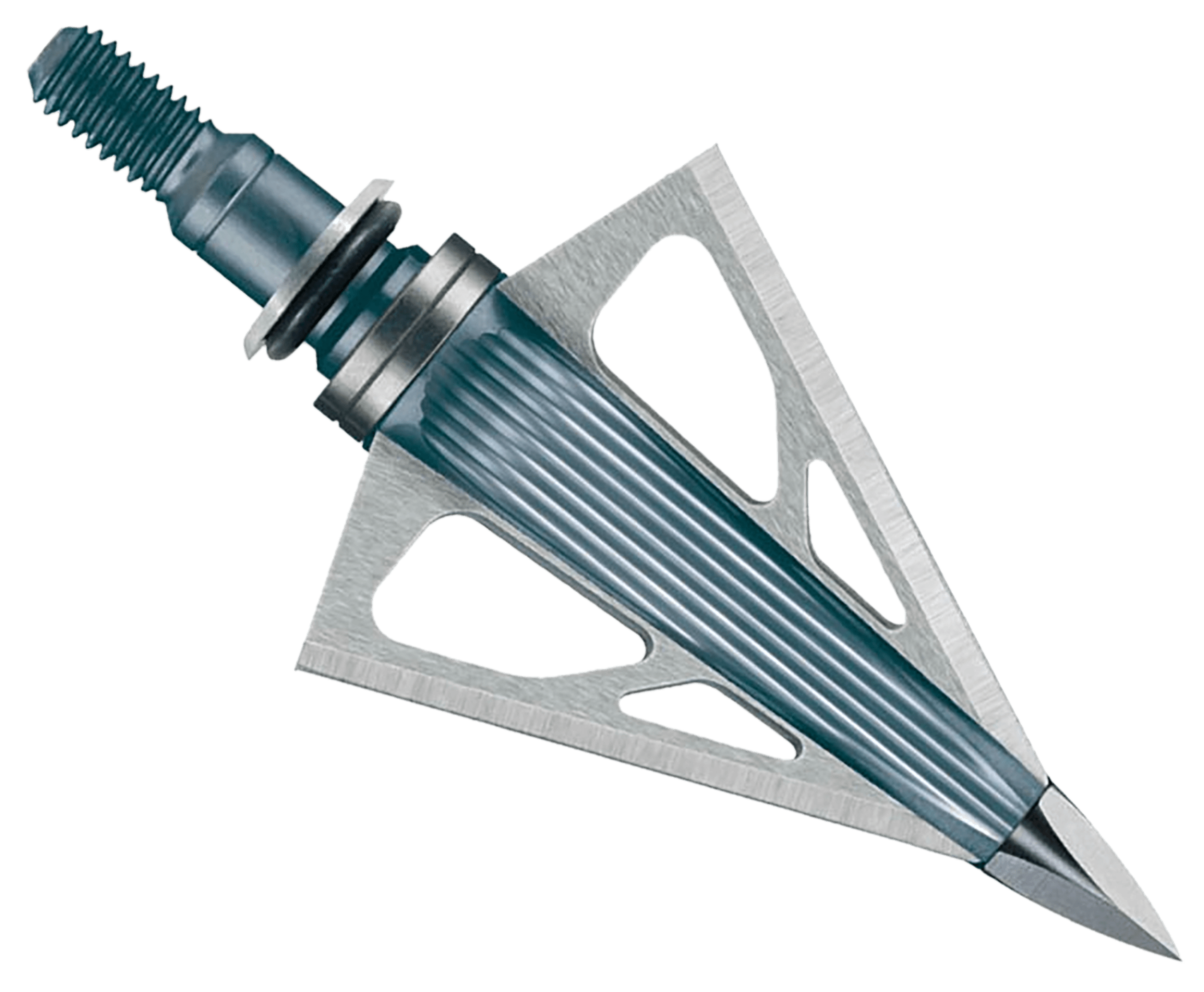
Muzzy Trocar Broadhead 3-Blade 100gr Stainless Steel Pack of 3
★★★★½(970)
A one-piece stainless ferrule and bone-crushing Trocar tip are built to fly true and hold up on hard-angle or bone-contact hits — the situation you're more likely to face on an elk taken at longer range in open country, where shot angles are harder to control than in timber.
New Archery Products DK4 Mechanical Broadhead 100gr 3 Pack
★★★★½(66)
A pivoting main blade handles initial penetration like a fixed blade, while two mechanical bleeders open on impact for a 1 3/4-inch cutting diameter — a middle ground for hunters who want a bigger wound channel than a pure fixed blade without betting everything on a fully mechanical deployment.
TenPoint EVO-X CenterPunch Broadhead 100GR Red 3 Pack
★★★★½(502)
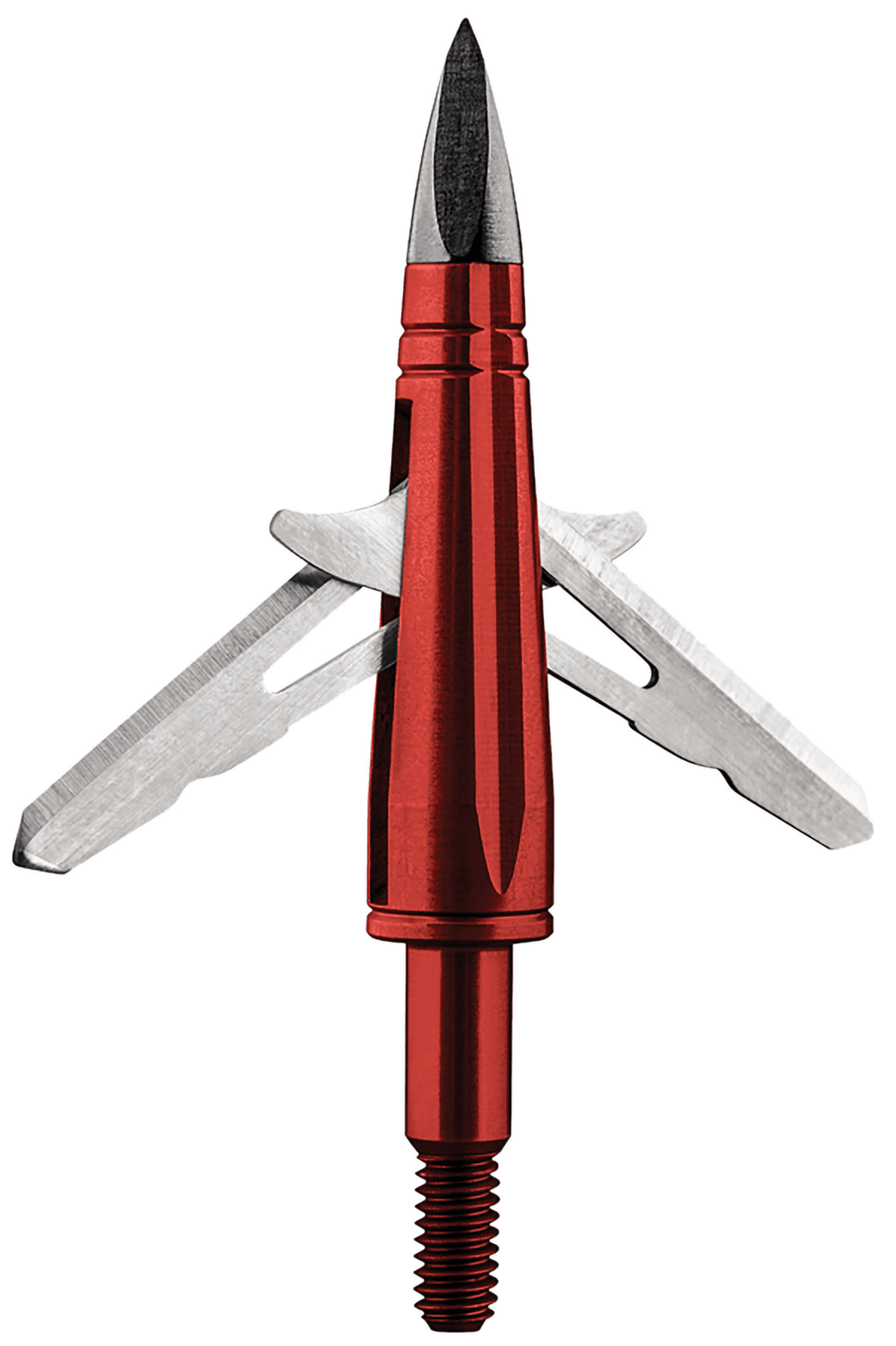
Built around crossbow speeds specifically, with a collarless 7075 T6 aluminum ferrule that holds accuracy at higher velocities where some standard mechanical heads struggle. The 1 7/8-inch cut is sized to open a real blood trail on an animal elk's size without the deployment risk of a lighter, deer-tuned mechanical head.
Broadheads for elk were evaluated around penetration and reliability first, since elk carry far more body mass, hide thickness, and bone than deer-sized game — cutting diameter and price were secondary to whether a design holds up on a hard hit.
Penetration over cutting diameter
A broadhead that opens to a huge cutting diameter is worthless if it can't drive through an elk's hide and muscle to reach the vitals. We favored designs built around penetration and structural strength first.
Fixed-blade reliability on bone-contact shots
Quartering shots on elk can catch a rib or shoulder blade more easily than they would on deer. We weighted fixed-blade and reinforced designs higher for exactly that scenario, since they can't fail to deploy.
Material and build quality, not just grain weight
Titanium and hardened steel designs resist bending or blade shear on a hard hit better than lighter alloys, which matters more for elk-sized impacts than an extra few grains of arrow weight.
Honest about ratings
One broadhead in this lineup has a strong, genuine public rating; the rest come from a specialty retailer without review data and stand on their materials and design instead of an invented score.
Unless a page explicitly says a product was tested hands-on by HuntGearGuide, recommendations are based on product specifications, owner review data, merchant/manufacturer information, and practical hunting-use fit. Prices, ratings, review counts, and availability are point-in-time snapshots, so confirm the current merchant listing before buying.
Which Pick Is Right for You?
Choose the Ravin Titanium if:
You want the strongest real owner track record in this lineup and a material built to hold up on a hard, bone-heavy hit.
Choose the NAP Thunderhead if:
You want proven no-moving-parts reliability and don't want to think twice about a quartering shot on bone.
Choose the Allen CX Terminus if:
Penetration through hide and bone is your top priority, even at the cost of a smaller cutting diameter.
Choose the Muzzy Trocar if:
You're hunting open country where shots stretch out and angles are harder to control.
Choose the NAP DK4 if:
You want a bigger blood trail than a pure fixed blade without going fully mechanical.
Choose the TenPoint EVO-X CenterPunch if:
You're hunting elk with a crossbow and want a head engineered around crossbow speeds specifically.
What To Look For in a Broadhead for Elk Hunting
Penetration matters more than cut diameter for elk
Elk carry 2-3 times the body mass of a whitetail, with thicker hide and heavier muscle to drive through. A mechanical head that opens to an impressive cutting diameter is worthless if it doesn't have the penetration to reach the vitals — prioritize designs built around driving through, not just cutting wide.
Fixed blades are the safer bet on quartering or bone-contact shots
A quartering-away or quartering-toward shot on an elk can catch a rib or shoulder blade more easily than the same shot would on deer. Fixed-blade broadheads can't fail to deploy and tend to punch through bone more predictably than a mechanical design relying on a spring clip or O-ring.
Step up in broadhead durability, not just grain weight
Grain weight affects trajectory and momentum, but the broadhead's material and blade thickness determine whether it holds together on a hard hit. Titanium and hardened steel designs resist bending or blade shear better than lighter alloys — a real factor once you're talking about elk-sized impact forces.
Match your broadhead to your bow or crossbow's kinetic energy, not just the animal
A broadhead built for elk-sized penetration still needs enough kinetic energy behind it to do its job. Most guidance points to a minimum of roughly 25 ft-lbs of kinetic energy for elk — confirm your setup clears that before assuming the broadhead alone determines penetration.
FAQ
Not necessarily a completely different broadhead, but the margin for error is smaller. Elk's size and bone structure reward fixed-blade reliability and penetration-focused designs over maximum cutting diameter, so it's worth reconsidering a deer-tuned mechanical head before elk season.
They can be — the Ravin Titanium above is a genuinely well-reviewed mechanical option built with elk-level durability in mind. That said, many elk hunters default to fixed blades specifically because there's no deployment mechanism that can fail on a quartering shot that catches bone.
Most elk hunters land in the 1 to 2-inch range. Bigger isn't automatically better if it costs you penetration — match cutting diameter to your bow or crossbow's kinetic energy output rather than chasing the largest number on the package.
Disclosure: As an Amazon Associate, HuntGearGuide earns from qualifying purchases. Some links above are affiliate links from other partners too, at no extra cost to you. This helps us keep the tools free.