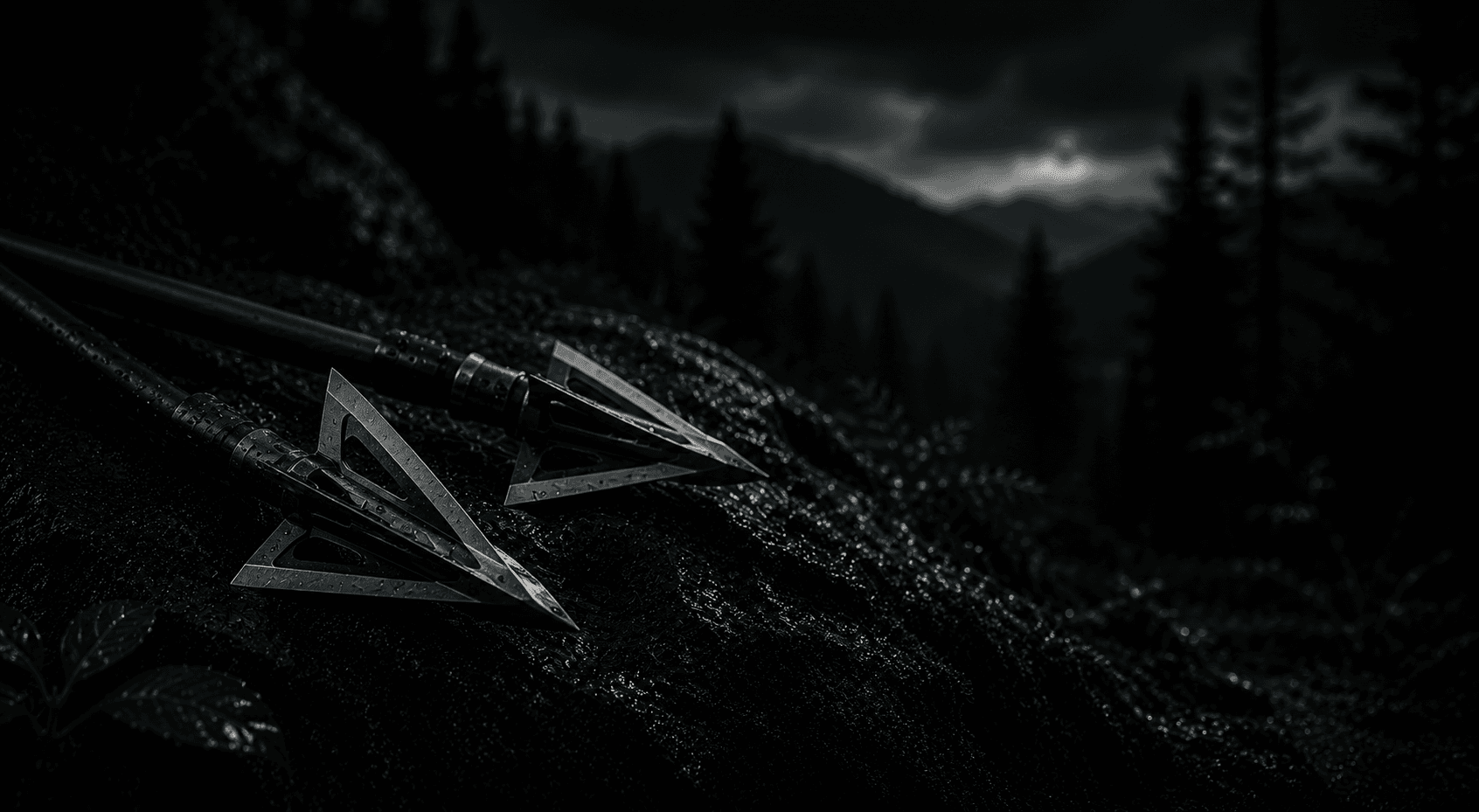
Broadhead choice comes down to one core tradeoff: fixed-blade reliability versus mechanical cutting diameter, then a second layer of fit around grain weight and whether your setup is a compound bow or a crossbow running at higher speeds.
The six picks below cover a genuinely rated best-overall option, a budget pick, a classic fixed blade, a high-diameter mechanical head, a crossbow-specific design, and an extended-range fixed 3-blade. Use the gear checklist to plan the rest of your archery kit, or browse the broadheads shop for the full lineup.
Top Broadheads for Hunters
Best Overall / Best Rated
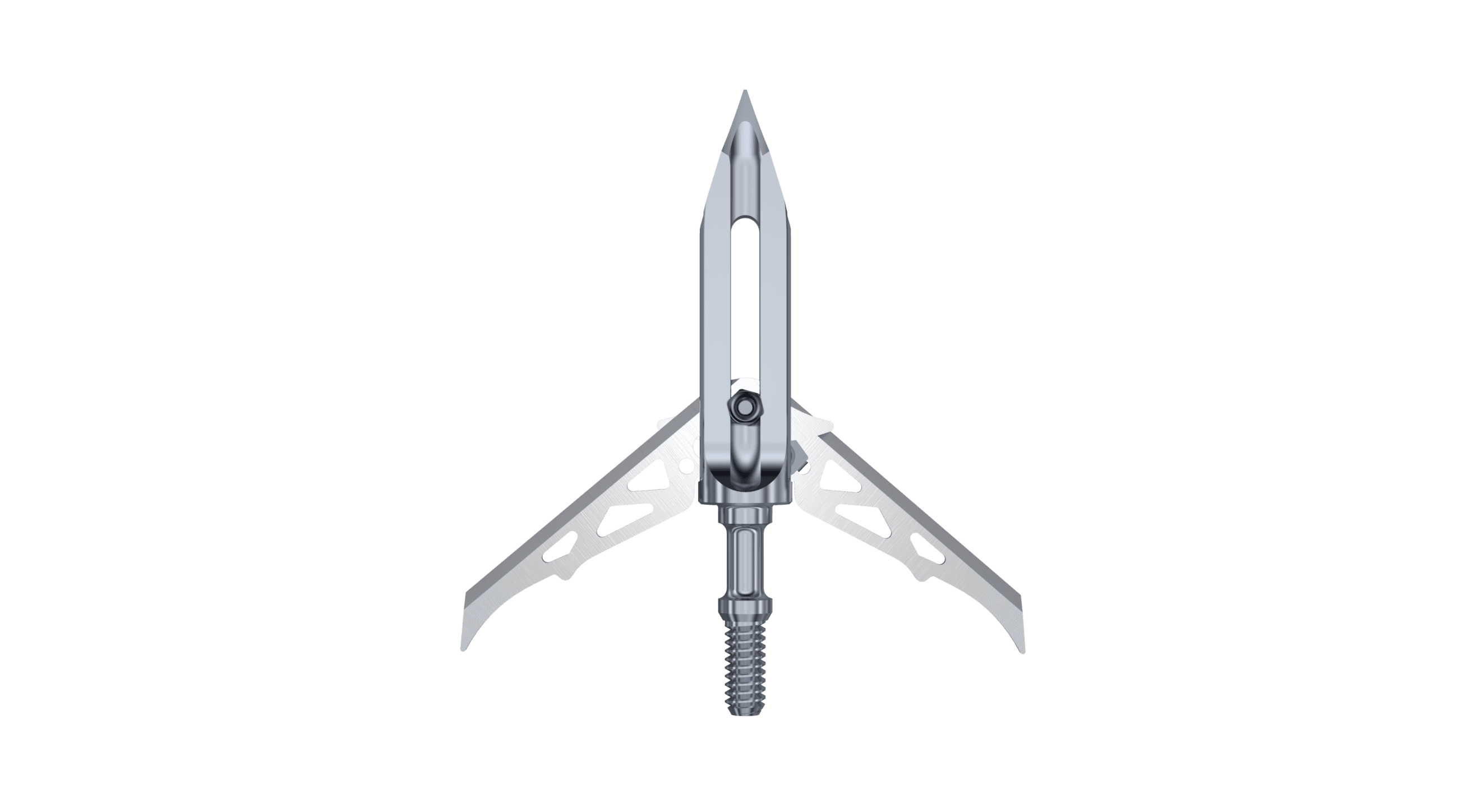
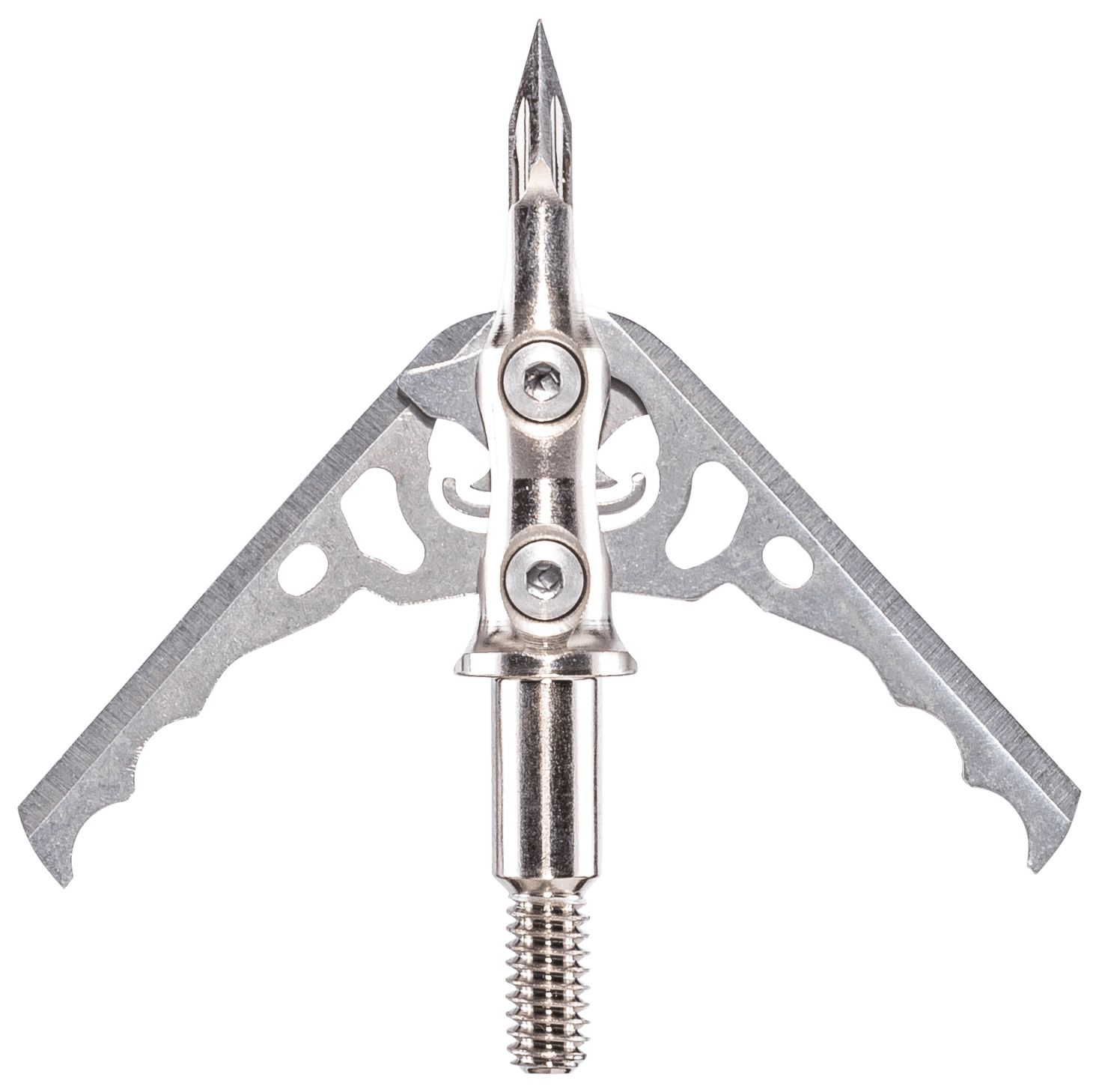
Ravin Titanium Broadheads 3 Pack
★★★★½(87)
Grade 5 titanium construction and a rear-deploying design built specifically for crossbow speeds have earned the Ravin Titanium Broadhead a genuinely strong 4.9-star average across 27 reviews — one of the better-reviewed products in this entire category, not just a marketing claim.
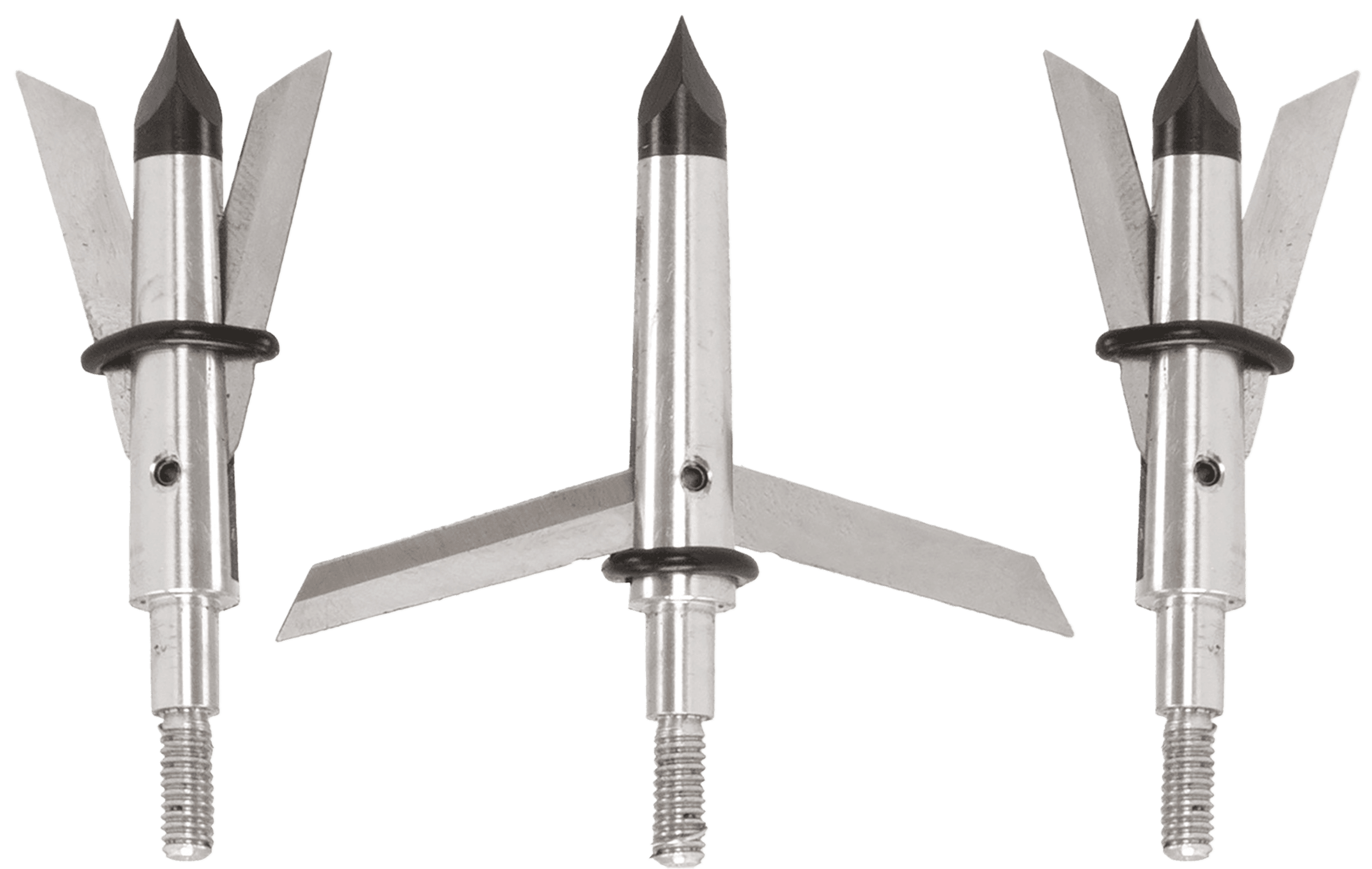
Allen Tomahawk Expandable Broadhead 100gr Silver 3 Pack
★★★½★(29)
A hybrid fixed/expandable design flies like a field point but cuts like a blade, and at under $15 for a 3-pack it's the cheapest way to have a spare set on hand or try broadheads for the first time without a big investment.
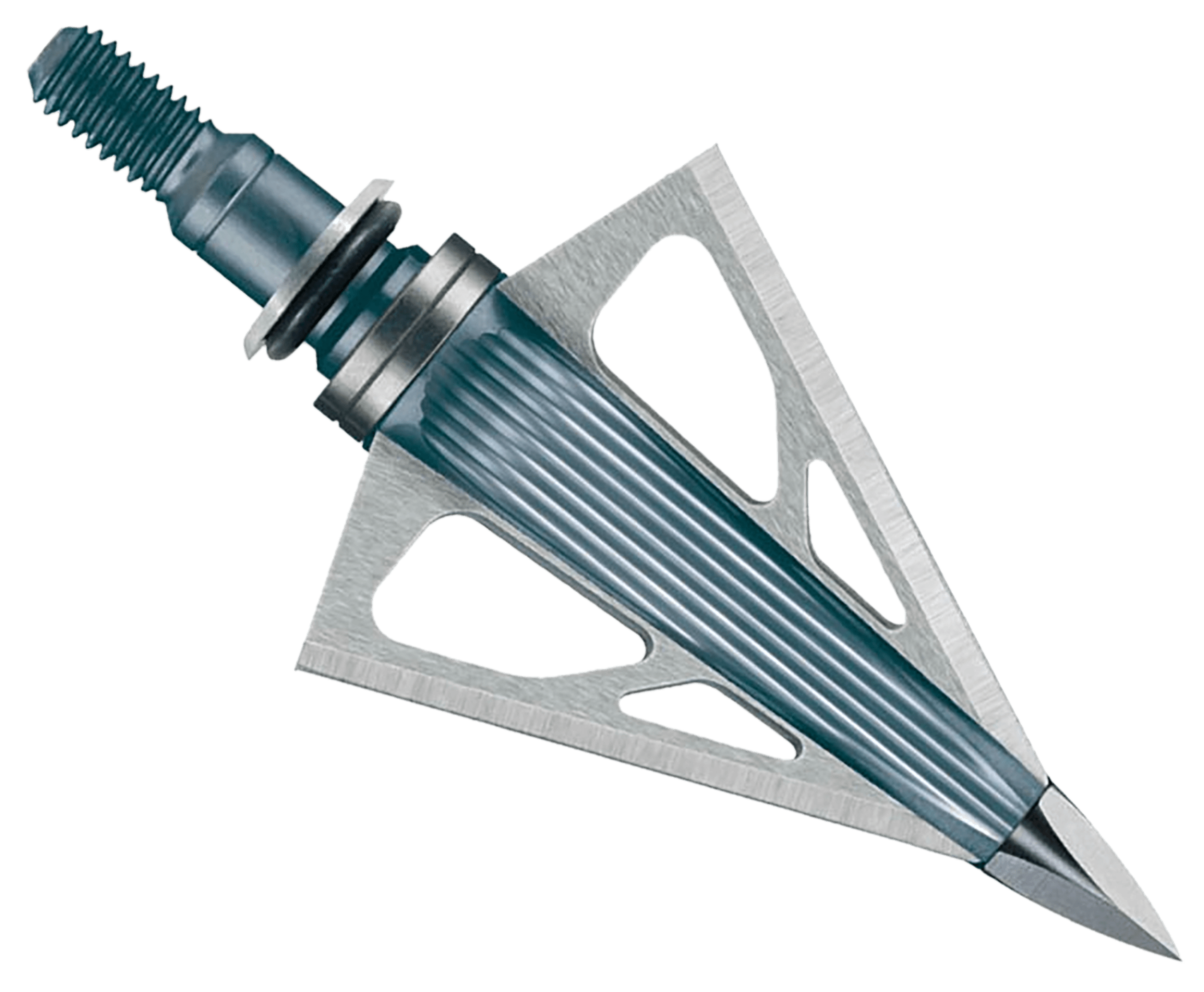
The NAP Thunderhead has been a hunting standard for decades because it does one job — fly accurately and penetrate consistently — without any moving parts to fail. Five heads per pack instead of the usual three adds real value for a proven design.
Rage's Hypodermic deploys instantly on impact for a 2-inch cutting diameter — noticeably larger than most fixed blades manage — while staying compact and aerodynamic in flight. A strong choice for hunters who prioritize wound channel over the fixed-blade reliability tradeoff.
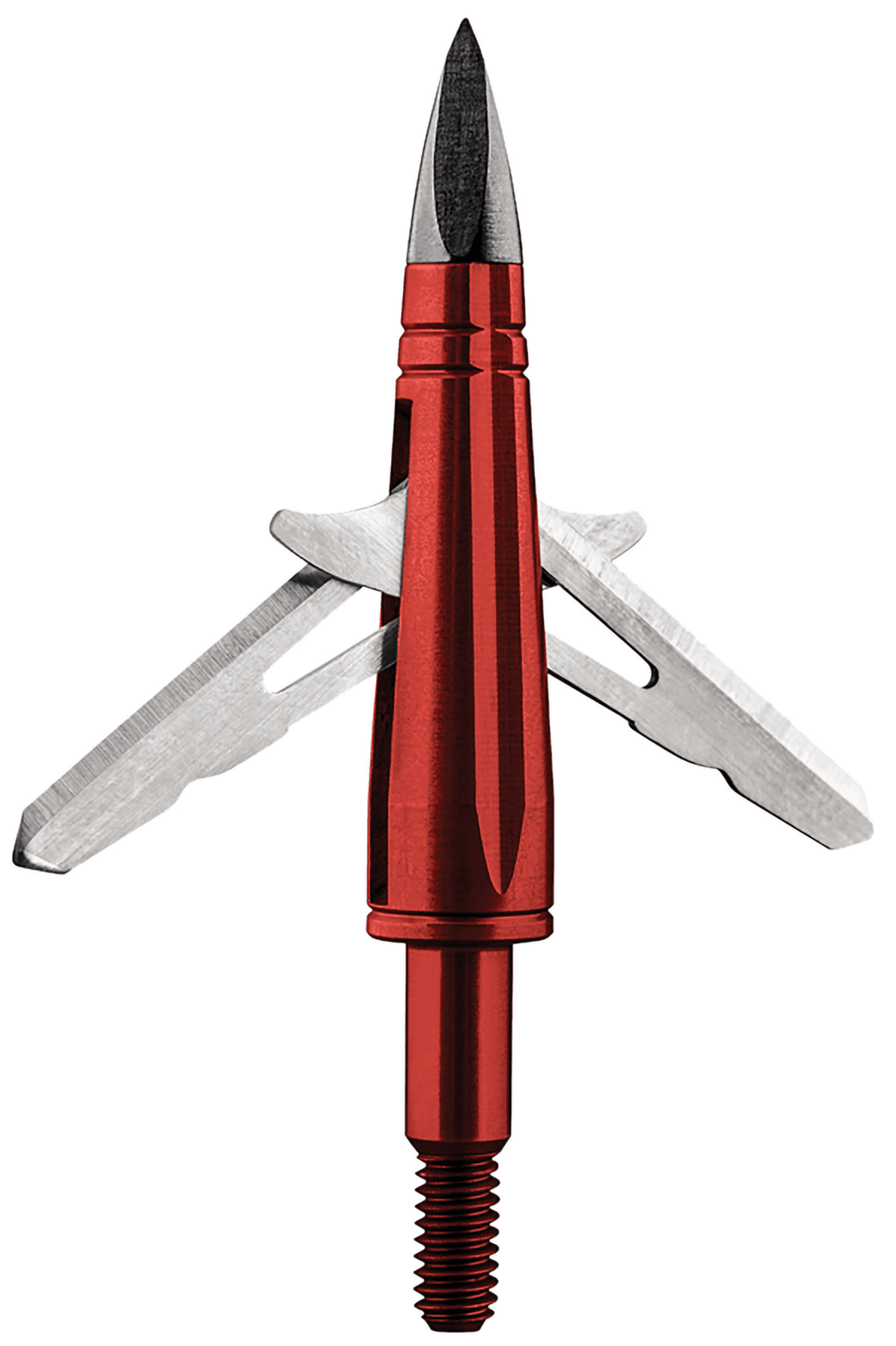
TenPoint EVO-X CenterPunch Broadhead 100GR Red 3 Pack
★★★★½(502)
TenPoint engineered the EVO-X CenterPunch around crossbow speeds specifically, with a collarless 7075 T6 aluminum ferrule and a 1 7/8-inch cut built to hold accuracy at higher velocities where some mechanical heads struggle.
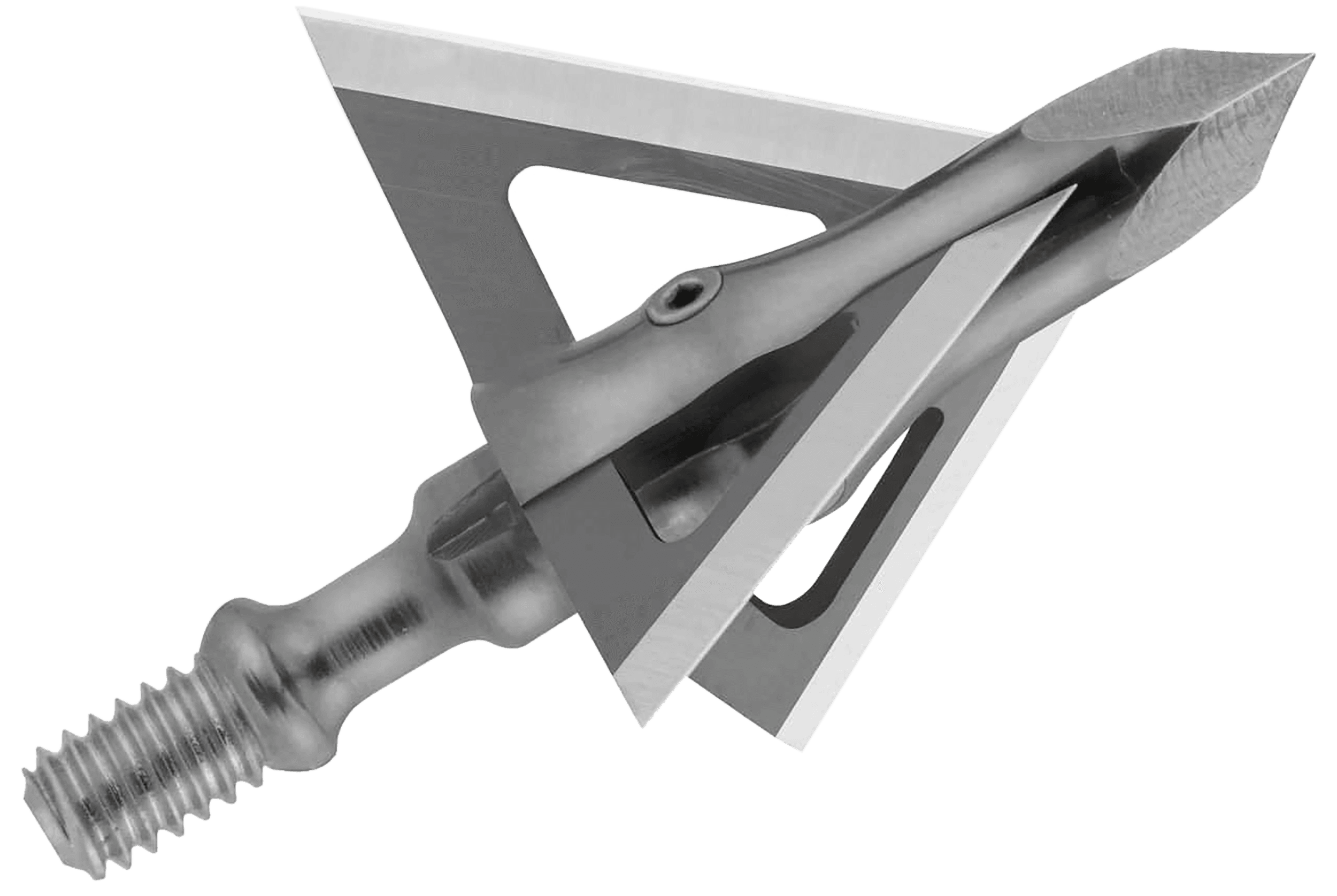
Muzzy Trocar Broadhead 3-Blade 100gr Stainless Steel Pack of 3
★★★★½(970)
A one-piece stainless ferrule and a bone-crushing Trocar tip are built to fly true and hold up on hard-angle or bone-contact shots at longer distances — a fixed-blade option for hunters who want durability without sacrificing accuracy as range increases.
I ranked these on the fixed-blade vs. mechanical tradeoff, cut diameter, build quality, crossbow speed suitability, price, and real owner ratings where that data exists.
Reliability over marketing
Fixed-blade heads can't fail to deploy; mechanical heads trade some of that certainty for larger cutting diameter and field-point-like flight. We treated this as a real tradeoff, not a solved question.
Crossbow speed matters
Some mechanical broadheads aren't built for higher crossbow velocities. We called out picks specifically engineered for crossbow speeds rather than assuming every head works for every setup.
Honest about ratings
Only one broadhead in this category has a meaningful public rating and review count. We used it where it exists and did not fabricate star ratings for the rest — those picks stand on their specs and design alone.
Unless a page explicitly says a product was tested hands-on by HuntGearGuide, recommendations are based on product specifications, owner review data, merchant/manufacturer information, and practical hunting-use fit. Prices, ratings, review counts, and availability are point-in-time snapshots, so confirm the current merchant listing before buying.
Which Pick Is Right for You?
Choose the Ravin Titanium if:
You want the option with the strongest real owner track record in this lineup and shoot a Ravin or similar high-speed crossbow.
Choose the Allen Tomahawk if:
You're stocking up on spares, trying broadheads for the first time, or hunting on a tight budget without giving up a hybrid cutting design.
Choose the NAP Thunderhead if:
You want the no-moving-parts reliability of a proven fixed blade, especially for elk-sized game or shots that might catch bone.
Choose the Rage Hypodermic if:
Maximum wound channel matters most to you and you're comfortable with a mechanical deployment on a well-placed shot.
Choose the TenPoint EVO-X CenterPunch if:
You're shooting a crossbow and want a head engineered around crossbow speeds specifically, rather than a compound-bow design pressed into crossbow service.
Choose the Muzzy Trocar if:
You want fixed-blade durability with a tip built to punch through bone cleanly at longer practical hunting ranges.
What To Look For in a Broadhead
Fixed-blade vs. mechanical is the core decision
Fixed-blade broadheads have no moving parts, so they can't fail to open — they simply cut on contact, which makes them the more forgiving choice on marginal hits or heavy bone. Mechanical (expandable) broadheads fly closer to field-point accuracy and open to a larger cutting diameter on impact, but they rely on a deployment mechanism working correctly every time.
Match broadhead weight to your arrow or bolt setup
Most broadheads in this lineup run 100 grains, which matches how most modern bows and crossbows are tuned out of the box — though the Rage Hypodermic above is a 125-grain head, a reminder to check grain weight per product rather than assume. Changing grain weight shifts your point of impact and can affect FOC (front of center) balance, so match the broadhead grain to what your bow or crossbow manufacturer recommends before assuming a heavier or lighter head is an upgrade.
Crossbow speed changes which broadheads make sense
Some mechanical broadheads aren't rated for higher crossbow speeds and can suffer premature deployment or blade shear in flight. Broadheads marketed specifically for crossbows, or fixed-blade designs, tend to be the safer choice above roughly 400 FPS unless the manufacturer explicitly rates the head for your bolt speed.
Always practice with your actual broadhead, not just field points
Broadheads fly differently than field points, sometimes significantly so with fixed blades. Shoot at least a few practice arrows or bolts tipped with your hunting broadhead before season to confirm point of impact, especially after any equipment change.
The Short Version
Fixed-blade is the forgiving choice, mechanical is the higher-ceiling one
Fixed blades can't fail to open; mechanicals fly flatter and cut a wider hole if everything works right. Neither is universally "better" — it's a real tradeoff between reliability and performance.
Check the grain weight before you assume it's an upgrade
Most broadheads in this lineup run 100 grains to match how bows and crossbows are tuned out of the box, but not all of them do. Changing weight shifts your point of impact — confirm it matches your setup before buying.
Never skip practicing with the actual head you'll hunt with
A broadhead doesn't fly like a field point, especially a fixed blade. Shoot a few practice arrows or bolts with your actual hunting broadhead before season, every time you change equipment.
FAQ
Neither is universally better — they trade off differently. Fixed-blade heads have no moving parts and won't fail to deploy, making them more forgiving on marginal hits or heavy bone contact. Mechanical heads fly closer to field-point accuracy and open to a larger cutting diameter, but depend on the mechanism deploying correctly. Many bowhunters choose fixed blades for elk or bone-heavy shots and mechanical heads for deer-sized game at controlled ranges.
100 grains is the standard for most modern compound bows and crossbows, and it's what the majority of factory setups are tuned around. Check your bow or crossbow manufacturer's recommendation before switching, since changing grain weight shifts point of impact and front-of-center balance.
Not always, but speed matters. Some mechanical broadheads aren't rated for higher crossbow speeds and can deploy prematurely or shear a blade in flight. Broadheads specifically marketed for crossbow use, or a proven fixed-blade design, are the safer bet unless the packaging confirms a speed rating that covers your bolt's FPS.
Disclosure: As an Amazon Associate, HuntGearGuide earns from qualifying purchases. Some links above are affiliate links from other partners too, at no extra cost to you. This helps us keep the tools free.