Hunting boots are not a single-category purchase. The best boot for a dry hardwood stand can be the wrong boot for a swamp crossing, and a stiff mountain boot can feel like too much shoe for a short walk to a blind.
The picks below cover the major use cases: all-around deer hunting, steep mountain terrain, wetlands, snake country, and extreme cold. For a personalized recommendation, use the hunting boot finder. If you already have a shortlist, use the hunting boot comparison table to sort specs side by side.
Top Hunting Boots
Best Overall
Rocky BearClaw 200G Insulated Hunting Boot
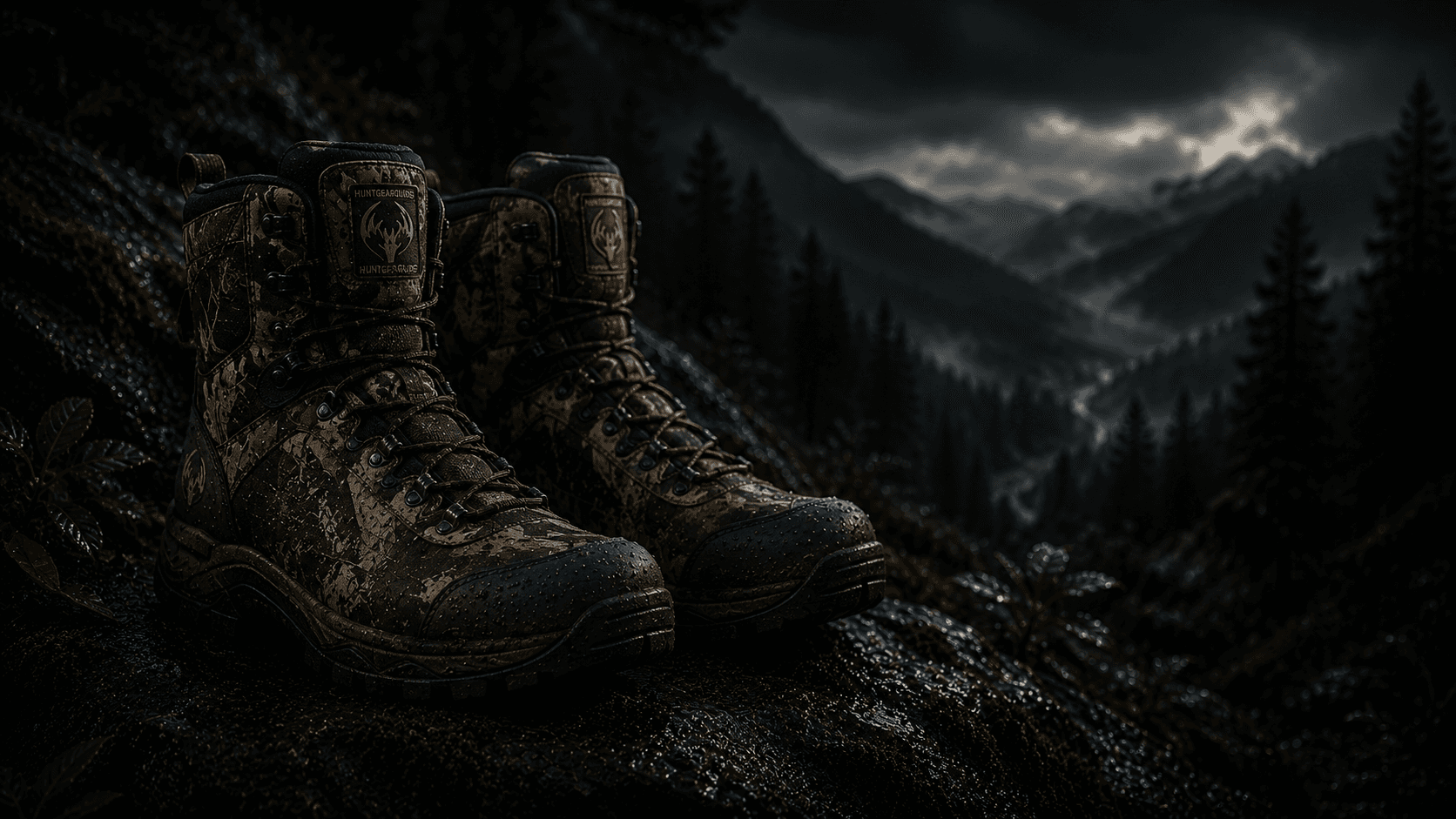
A 9" lace-to-toe boot in waterproof full-grain leather with a breathable Vapor Pass membrane and a 10mm lug BearClaw Grizzly Grip outsole. 200 grams of Thinsulate is enough for cool-to-cold stand sits without running hot on the walk in, making it the safest all-around pick for mixed terrain.
Rocky MTN Stalker Pro Waterproof 400G Insulated Mountain Boot
Built for rugged mountain terrain with a Vibram Mountaineering outsole, SHIELD guard reinforcement, and a Rocky Rebound footbed. The 10" waterproof full-grain leather upper and 400 grams of Thinsulate keep it warm on long approaches without the bulk of a true winter boot.
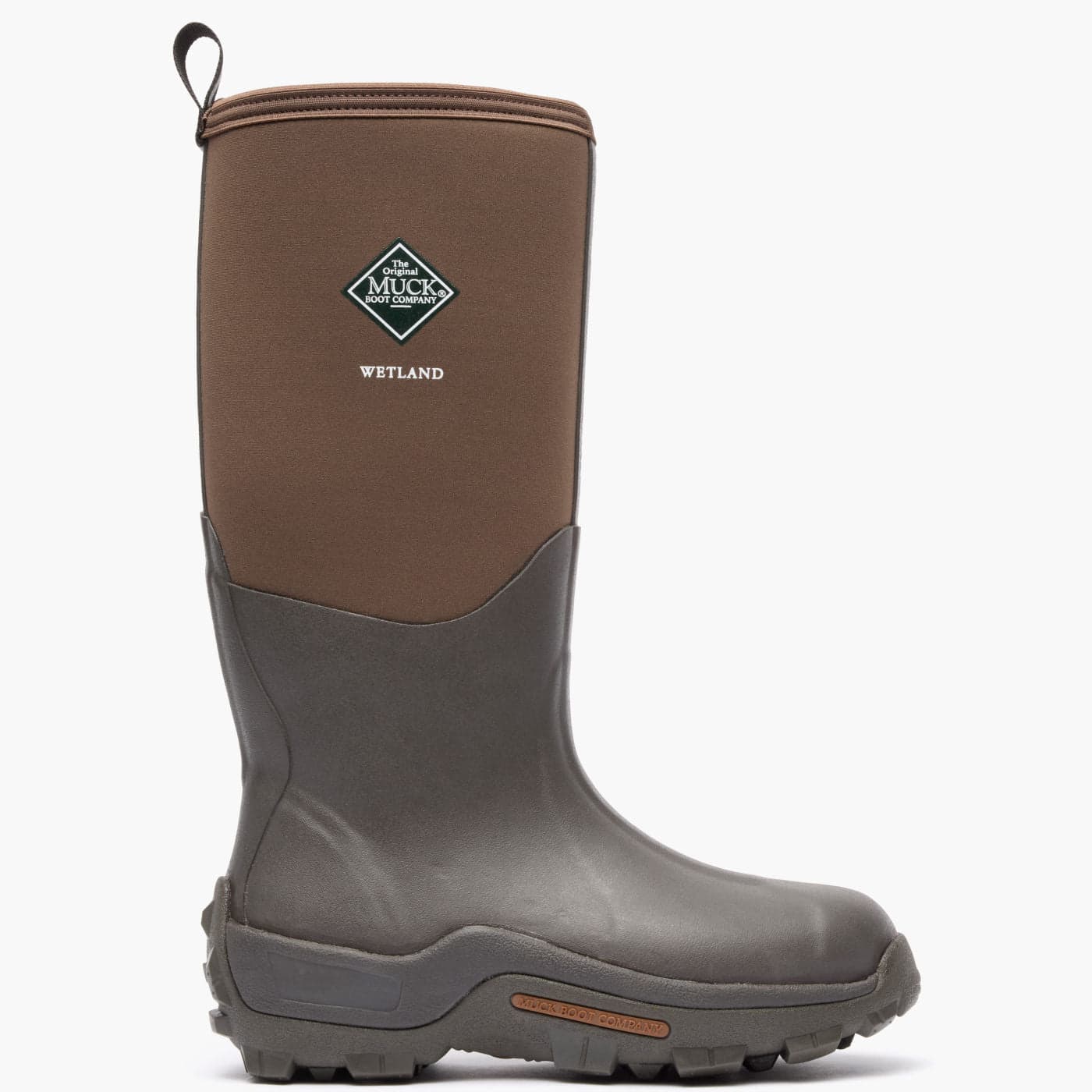
Muck's best-selling Wetland boot pairs 5mm neoprene with a calf-high rubber shell and breathable mesh lining to keep you warm and dry in the muddiest conditions. No laces or zippers to fail in flooded timber, and it backs that up with a real 4.5-star average across 295 reviews.
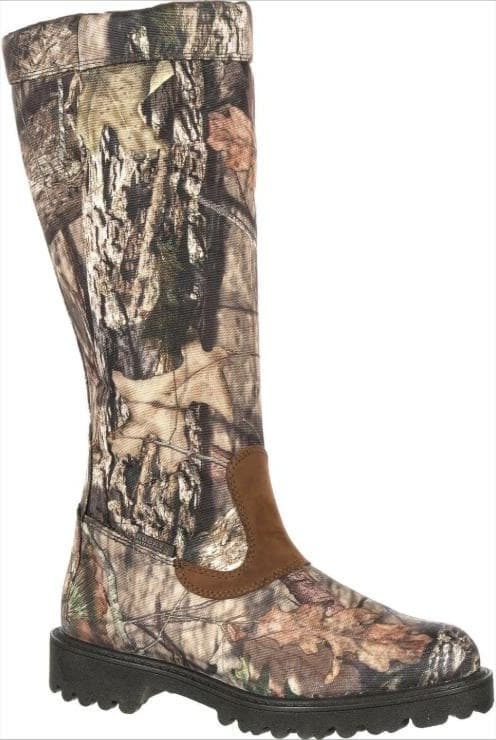
A 16" Mossy Oak Break-Up Country snake boot with guaranteed waterproof construction, an easy-access inside side zipper, and an EVA footbed and outsole for reliable traction. Built for hunters working dense brush or river-bottom terrain where snakes are a real concern.
Muck Arctic Ice Insulated Boot with Vibram Arctic Grip
★★★★★(384)
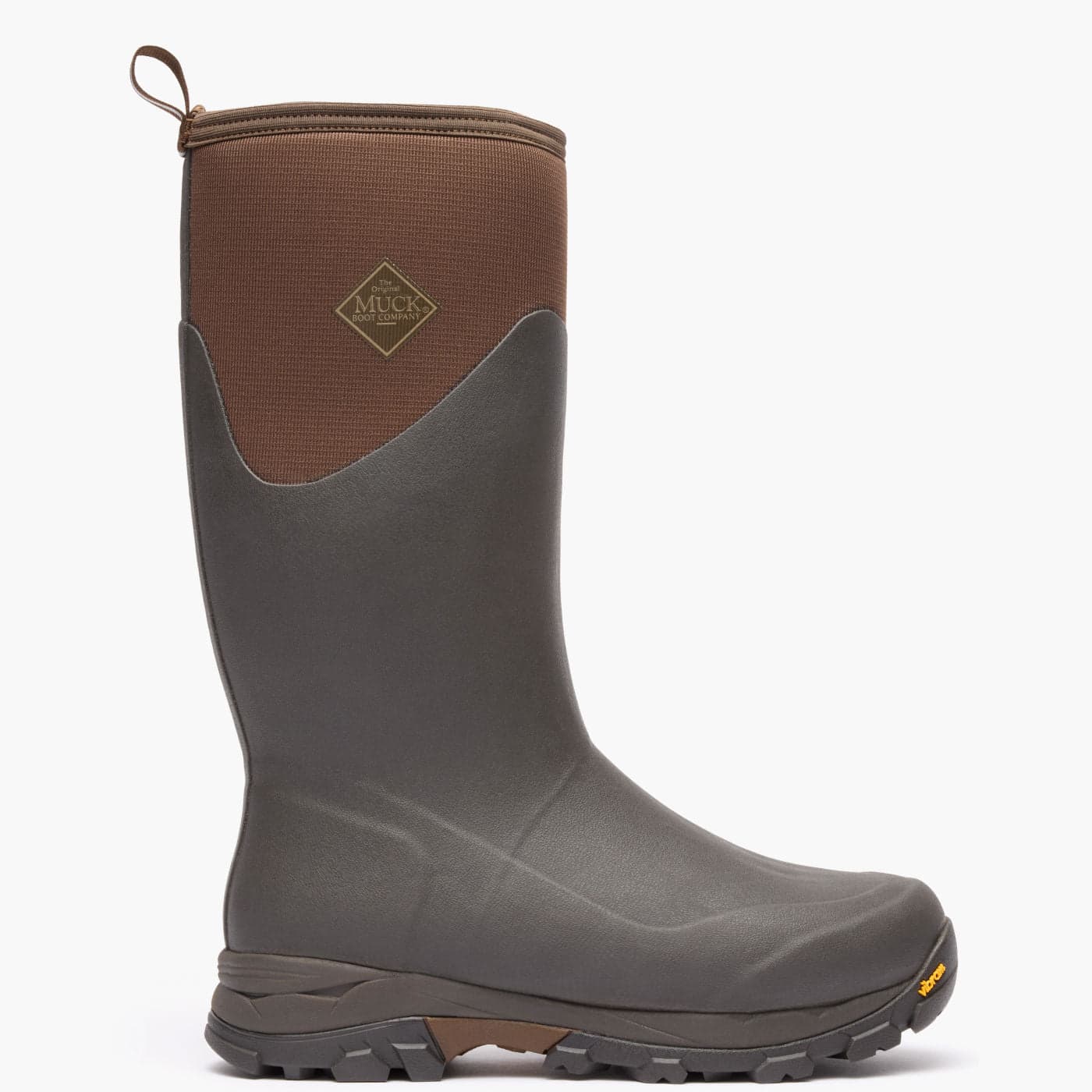
An 8mm neoprene inner boot layered with fleece lining delivers serious warmth, while the Vibram Arctic Grip A.T. outsole adds genuine wet-ice traction most cold-weather boots don't bother with. Backed by 384 reviews at a strong 4.1-star average, built for frigid, motionless late-season sits.
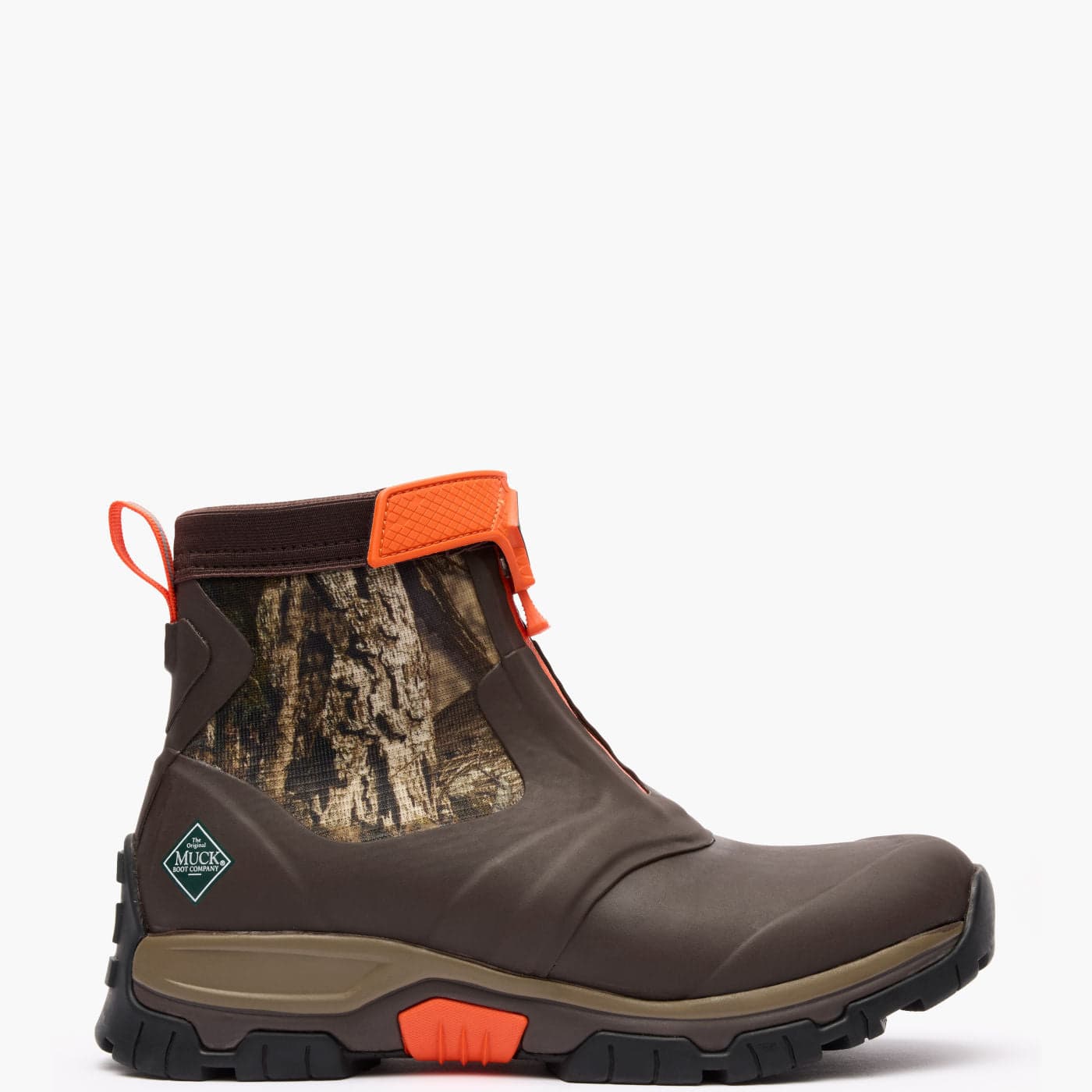
Muck Apex Mid Zip Ankle Boot, Mossy Oak Breakup Country
★★★★★(507)
A lightweight, uninsulated ankle boot with a waterproof YKK zip closure for fast on/off, currently on sale at nearly half its regular price. With 507 reviews at a 4.3-star average, it's the most field-proven boot in this lineup — though it runs cooler than an insulated pick once temperatures really drop.
I ranked these on terrain fit, waterproofing, insulation, walk-in distance, support, weight, owner feedback, and overall value — weighted for the kind of hunt each boot is actually built for, not a generic scorecard.
Terrain comes first
A boot built for a dry hardwood stand can be the wrong choice for a swamp crossing or a steep mountain climb, so picks were split by terrain first — hardwoods, wetlands, mixed terrain, and mountain use — rather than ranked on one generic scale.
Warmth without overkill
A 1000g boot is overkill for an early-season sit and undersized for a late-December stand, so insulation was matched against realistic activity level and season instead of chasing the highest gram rating on the box.
Fit for real hunt days
Height, weight, waterproofing, and support were weighed together, not separately — a boot that nails waterproofing but wears heavy by hour four isn't actually the better pick for a full day from the truck to the pack-out.
Unless a page explicitly says a product was tested hands-on by HuntGearGuide, recommendations are based on product specifications, owner review data, merchant/manufacturer information, and practical hunting-use fit. Prices, ratings, review counts, and availability are point-in-time snapshots, so confirm the current merchant listing before buying.
What To Look For in Hunting Boots
Match the boot to the terrain first
Flat hardwoods, flooded timber, and mountain approaches punish your feet in different ways. Rubber boots shine in mud and water, while leather mountain boots give better support on sidehills and long hikes.
Do not over-insulate active hunts
1,200-1,400 grams can be comfortable for cool stand sits, but it may run hot if you are covering miles. Uninsulated or lightly insulated boots are usually better for warm early season and mobile hunts.
Fit matters more than the spec sheet
Try boots with the socks you will hunt in and leave enough toe room for descents and long sits. A boot that is too tight will feel colder, even if the insulation rating looks right.
The Short Version
Terrain decides the boot, not the brand
The right boot changes with the ground under you — a swamp boot and a mountain boot solve completely different problems. Start with where you actually hunt, not which brand has the best reputation.
More insulation isn't automatically better
The heaviest gram rating on the shelf is often the wrong choice for a hunt that involves real walking. Match insulation to activity level and season, not the biggest number on the box.
Fit trumps the spec sheet
A boot with perfect specs that doesn't fit right will run cold and blister by midday. Try boots with your actual hunting socks and leave room for long sits and descents before trusting the rating.
FAQ
For most deer hunters, a waterproof 8-9" boot with 200-400 grams of insulation is the safest starting point. Rocky's BearClaw line balances support, weather protection, and enough warmth for cool-season stand hunting.
Rubber boots are excellent for wetlands, swamp edges, and scent control around whitetail stands. They are less comfortable for steep terrain or long hikes, where a supportive leather boot is usually the better choice.
Uninsulated boots are best for warm weather and active hunts. Around 200-400 grams works for many cool-weather deer hunts. 1,000+ grams or a GORE-TEX-lined boot makes sense for late-season sits where you are not moving much.
Disclosure: As an Amazon Associate, HuntGearGuide earns from qualifying purchases. Some links above are affiliate links from other partners too, at no extra cost to you. This helps us keep the tools free.