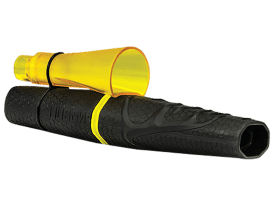
The rut changes what a deer call is for. Early in the season a call is mostly a way to sound like another deer nearby; once bucks start searching for does and challenging each other, the right sound at the right moment can pull a buck that would otherwise walk past out of range. The catch is that "the right sound" shifts as the rut moves from pre-rut sparring to chasing, peak breeding, and the post-rut.
This guide is organized around those jobs — an all-phase grunt call, a doe bleat can, an aggressive snort-wheeze call, and a rattling setup — plus a phase-by-phase calling plan. New to calling and hunting more than deer? Start with our beginner game calls guide, which covers the easiest call to learn for each species. Otherwise, browse the game calls & decoys shop for current pricing.
Top Rut Call Picks
Best Overall / Best All-Phase Grunt Call
Extinguisher Deer Call by Illusion Hunting Calls (10-in-1 Grunt Tube)
★★★★½(11,754)
If you only carry one call through the whole rut, this is it. One adjustable grunt tube covers ten whitetail vocalizations — soft contact grunts for the pre-rut, tending grunts and doe bleats once chasing starts, and a snort-wheeze for a buck that hangs up. It's also the only deer call in this lineup with verified Amazon review data behind it, at 4.6 stars across nearly 12,000 ratings.
A dedicated estrus bleat is the sound of a doe that's ready to breed — the call most likely to pull a cruising buck during the seeking and chasing phase. A tip-over can makes it nearly foolproof: turn it over and it bleats, with no reed or air control to learn and no need to bring a call to your mouth while a deer is close. This is Primos's larger can, built for louder, longer-range bleats, and it carries 4.5 stars across more than 1,500 Amazon reviews.
Hunters Specialties No Bull Deer Call, Black/Yellow
A grunt call with a built-in snort-wheeze setting — the most aggressive sound a buck makes, and the one to reach for when a mature deer is in sight but won't commit. It's a narrower tool than the 10-in-1 above, but that focus is the point: it's built for the confrontational end of the rut rather than for every situation.
Hunters Specialties True Talker OG with Rattling Bag, Black
A rubber grunt call bundled with a rattling bag, so you can simulate two bucks sparring and back it up with vocal grunts from the same kit. A rattling bag is quieter to carry and easier to handle in a tree stand than real or synthetic antlers, and buying the pair together costs less than sourcing a separate grunt tube and bag.
Rut timing varies by region and latitude, so watch the deer where you hunt — scrapes, chasing, and daylight buck movement — rather than relying on a calendar date. Check your state's season dates to see which weapons are legal during each phase.
Pre-rut
What's happening: Bucks are rubbing, scraping, and sparring, but most does aren't receptive yet.
What to call: Soft contact grunts at low volume, light rattling (tickling antlers rather than a full fight), and the occasional doe bleat.
From this list: Extinguisher for grunts; True Talker for light rattling
Seeking & chasing
What's happening: Bucks cover ground looking for the first receptive does, often during daylight.
What to call: Louder, more frequent grunts and tending grunts, doe bleats, and full rattling sequences. This is usually the most responsive calling window.
From this list: Extinguisher; Great Big Can for bleats; True Talker for full rattling
Peak breeding (lockdown)
What's happening: Many mature bucks are paired with a doe and move less, so calling success often drops.
What to call: Call sparingly. A snort-wheeze can still provoke a dominant buck you can see, and doe bleats can pull a cruising buck that isn't locked down.
From this list: No Bull for snort-wheeze; Great Big Can for bleats
Post-rut
What's happening: Bucks recover and shift back toward food, though unbred does can trigger a smaller second rut.
What to call: Return to soft grunts and bleats. Aggressive calls and heavy rattling generally pull fewer deer this late.
From this list: Extinguisher; Great Big Can
How We Picked These Rut Calls
Calls were picked by the job each one does during the rut — all-phase grunting, doe bleats, an aggressive snort-wheeze, and rattling — rather than ranked on one scale, since a rattling bag and a grunt tube aren't competing for the same moment in a sit.
Organized by rut job, not by brand
Each pick covers a distinct calling job, and the phase-by-phase section shows when each one earns its place. That's a different question from our beginner game calls guide, which is about which call is easiest to learn for each species.
Bleat can chosen on availability, not just reputation
Primos's Original Can is the classic pick, but its Amazon listing had no direct seller when we sourced this guide. We chose the Great Big Can instead: the same tip-over estrus bleat in a larger, louder can, shipped and sold by Amazon with more than 1,500 owner reviews.
Honest about ratings
The Extinguisher (4.6 stars, 11,000+ reviews) and Great Big Can (4.5 stars, 1,500+ reviews) carry verified Amazon review data. The No Bull and True Talker picks are sold through a retailer without public review counts, so they're chosen on vocalization range and what's in the box, and we say so instead of showing a score that doesn't exist.
Unless a page explicitly says a product was tested hands-on by HuntGearGuide, recommendations are based on product specifications, owner review data, merchant/manufacturer information, and practical hunting-use fit. Prices, ratings, review counts, and availability are point-in-time snapshots, so confirm the current merchant listing before buying.
Which Pick Is Right for You?
Choose the Extinguisher if:
You want one call that handles grunts, doe bleats, and a snort-wheeze across the whole rut, backed by the most real owner reviews of any deer call here.
Choose the Great Big Can if:
You want a dead-simple doe estrus bleat for the chasing phase, loud enough to carry on windy days or across open fields, with no technique to learn.
Choose the No Bull if:
You already have a basic grunt call and want a dedicated, aggressive option for the buck that stops just out of range.
Choose the True Talker with Rattling Bag if:
You want to add rattling to your pre-rut setup without carrying antlers, and like having a grunt call bundled in the same purchase.
What To Look For in a Rut Deer Call
Pick calls by the job, not the brand
Rut calling breaks down into a few distinct jobs: contact and tending grunts, doe bleats, rattling, and the snort-wheeze. Make sure your kit covers the jobs you'll actually use before buying a second call that does the same thing as your first.
Adjustable tubes save pocket space
An adjustable grunt tube like the Extinguisher can move from a young-buck grunt to a deeper mature-buck grunt and a doe bleat without switching calls. That matters in a tree stand, where every extra call is one more thing to fumble for quietly.
Volume control matters more than maximum volume
Most close-range calling is soft. A call you can blow quietly and naturally will work more often than one that only sounds right at full volume, especially when a buck is already within sight.
Rattling bags trade some realism for convenience
Real or synthetic antlers can produce a louder, sharper clash, but they're bulkier and noisier to carry. A rattling bag fits in a pocket and is easy to work one-handed from a stand — the practical choice for most hunters who rattle occasionally rather than as their main tactic.
FAQ
For most hunters, a grunt call is the one call worth carrying through the whole rut, because grunts work from the pre-rut through the post-rut. An adjustable grunt tube that also produces doe bleats and a snort-wheeze covers the widest range of rut situations in a single call.
Rattling generally works best in the pre-rut and the seeking and chasing phase, when bucks are actively competing. Start softly, build gradually, then stay quiet and watch for a while afterward, since bucks often approach slowly and downwind rather than running straight in.
It can. The snort-wheeze is an aggressive challenge call, so it can intimidate younger or subordinate bucks into leaving. Most hunters save it for a specific, visible buck that's hung up out of range rather than using it as a blind call.
Less often than most beginners expect. A short calling sequence every 20 to 30 minutes is a common approach, and when a buck is already in sight, calling only enough to turn or stop him is usually better than calling continuously.
Not necessarily. Some adjustable grunt tubes, including the Extinguisher, also produce doe bleats. A dedicated can like the Great Big Can is easier to use quietly in a stand, since you just tip it over instead of blowing into it, but it's an upgrade rather than a requirement for most hunters.
Disclosure: As an Amazon Associate, HuntGearGuide earns from qualifying purchases. Some links above are affiliate links from other partners too, at no extra cost to you. This helps us keep the tools free.