Whitetail & mixed terrain
8x42 or 10x42 balances field of view, low-light performance, and hand-holdability for most stand and blind hunting.
Shop / Binoculars
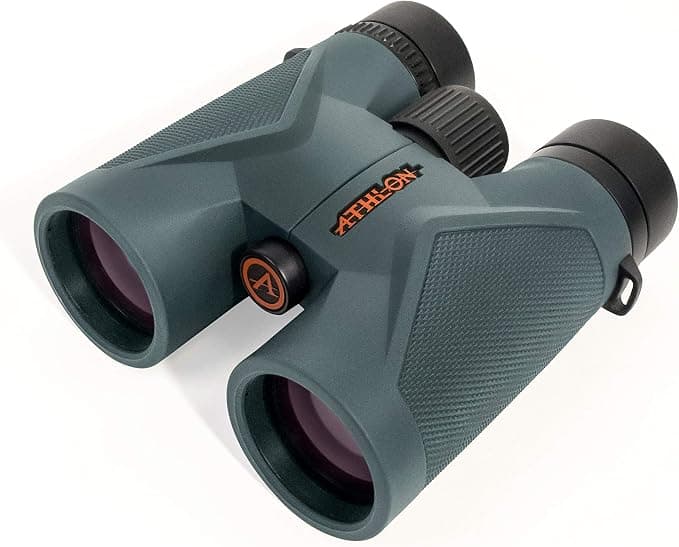
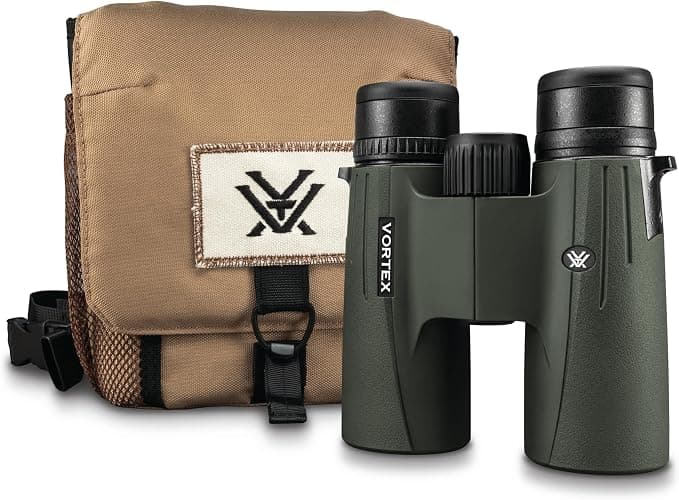
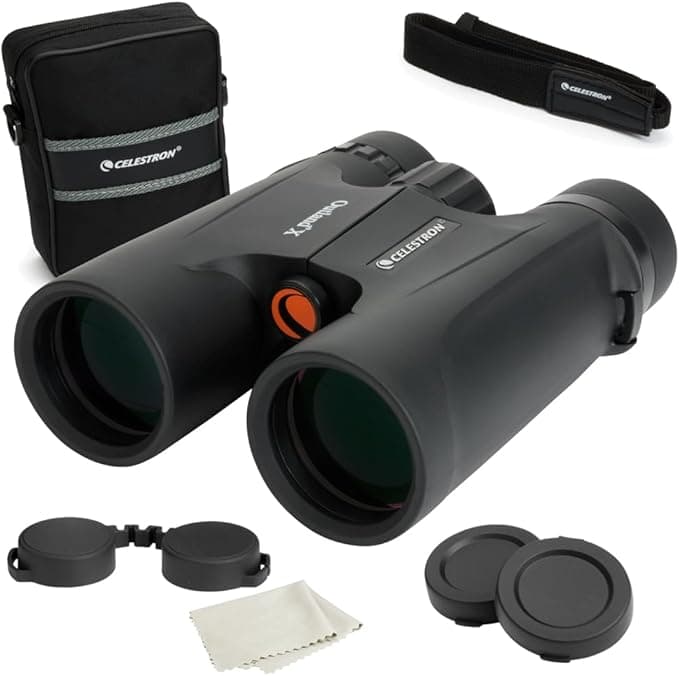
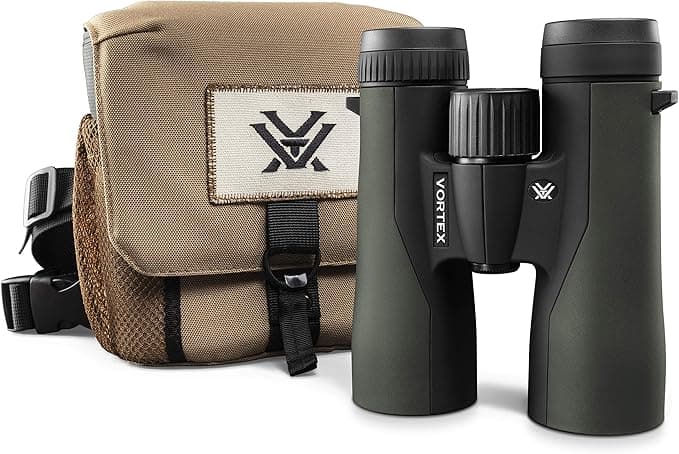
Binocular specs trade off against each other — more magnification narrows your field of view and amplifies hand shake, and a bigger objective lens adds weight for better low-light performance. Start with 8x42 or 10x42 for most whitetail and mixed-terrain hunting, then compare the lineup below on field of view, eye relief, weight, and whether both waterproof and fogproof construction are confirmed.
Binocular specs trade off against each other — more magnification means a narrower field of view and more hand shake, and a bigger objective lens means more weight to carry. There's no single 'best' spec, only the right balance for your terrain.
8x42 or 10x42 balances field of view, low-light performance, and hand-holdability for most stand and blind hunting.
Wider terrain rewards a larger objective lens and more magnification, even at the cost of extra weight.
8x42 or 10x42 covers most whitetail and mixed-terrain hunting. Higher magnification narrows your field of view and amplifies hand shake, and mainly makes sense for regularly glassing wide-open terrain.
Yes — a larger front lens gathers more light for dawn and dusk, when most game moves, at the cost of extra size and weight to carry.
They're two different things — O-ring sealing keeps water out, while nitrogen or argon purging stops internal fogging from temperature swings. Look for both claims, not just one.