Best Overall
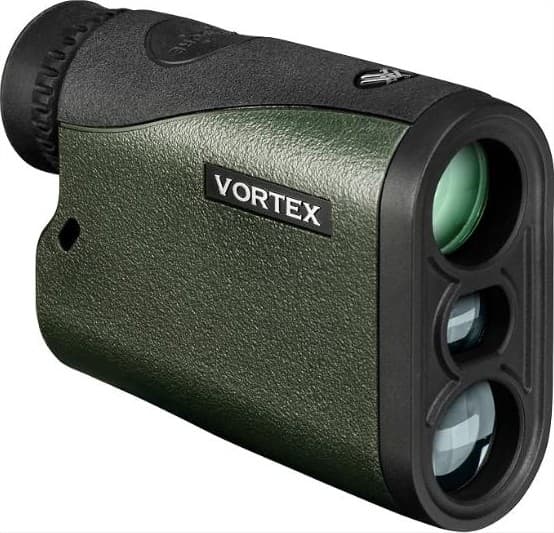
Vortex Crossfire HD 1400 Laser Rangefinder
The Crossfire HD 1400 earns its 4.8-star rating (1,100+ reviews) by covering both ends of the field: angle-compensated HCD readings for treestand and hillside shots, a full 1,400-yard range for open fields, and a bright red TOLED display that stays readable at dawn and dusk. Vortex backs it with an unlimited lifetime warranty, which most rangefinders at this price don't offer.
$199.18Price
1,400 ydMax Range
5xMagnification
YesAngle Comp.
Best Budget
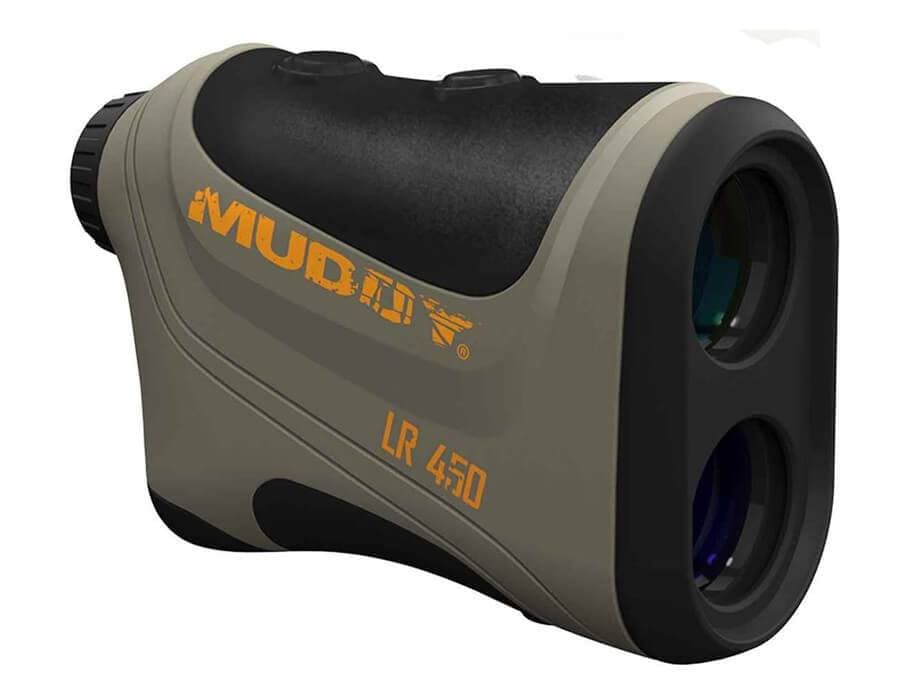
Muddy Outdoors LR450 Rangefinder 7x24mm
Under $85, the LR450 strips a rangefinder down to what a treestand hunter actually needs — a 450-yard range that covers real whitetail shot distances, 7x magnification for finding the target fast, and an IPX7 waterproof housing. It skips angle compensation and ballistic tools entirely, so it's best suited to straightforward woods hunting rather than steep terrain or long rifle shots.
$83.49Price
450 ydMax Range
7xMagnification
NoAngle Comp.
Best for Beginners
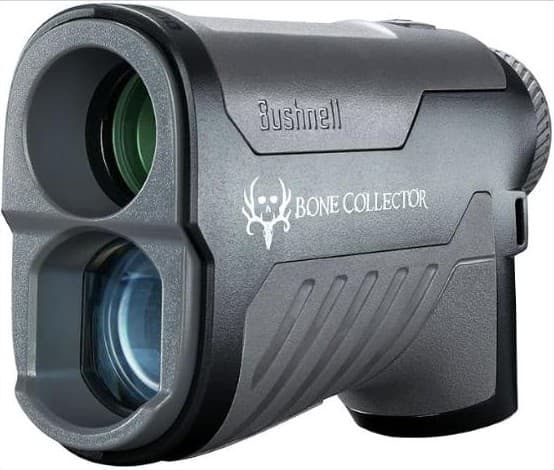
Bushnell Bone Collector 1000 Rangefinder
The Bone Collector 1000 adds true angle compensation (ARC technology) at a beginner-friendly price, so a new hunter gets an accurate horizontal distance from a stand or hillside without paying for features they don't need yet. A 4-times-per-second scan mode also makes it easier to lock onto a moving target while you're still learning the ranging process.
$99.88Price
1,000 ydMax Range
6xMagnification
YesAngle Comp.
Best for Bowhunting
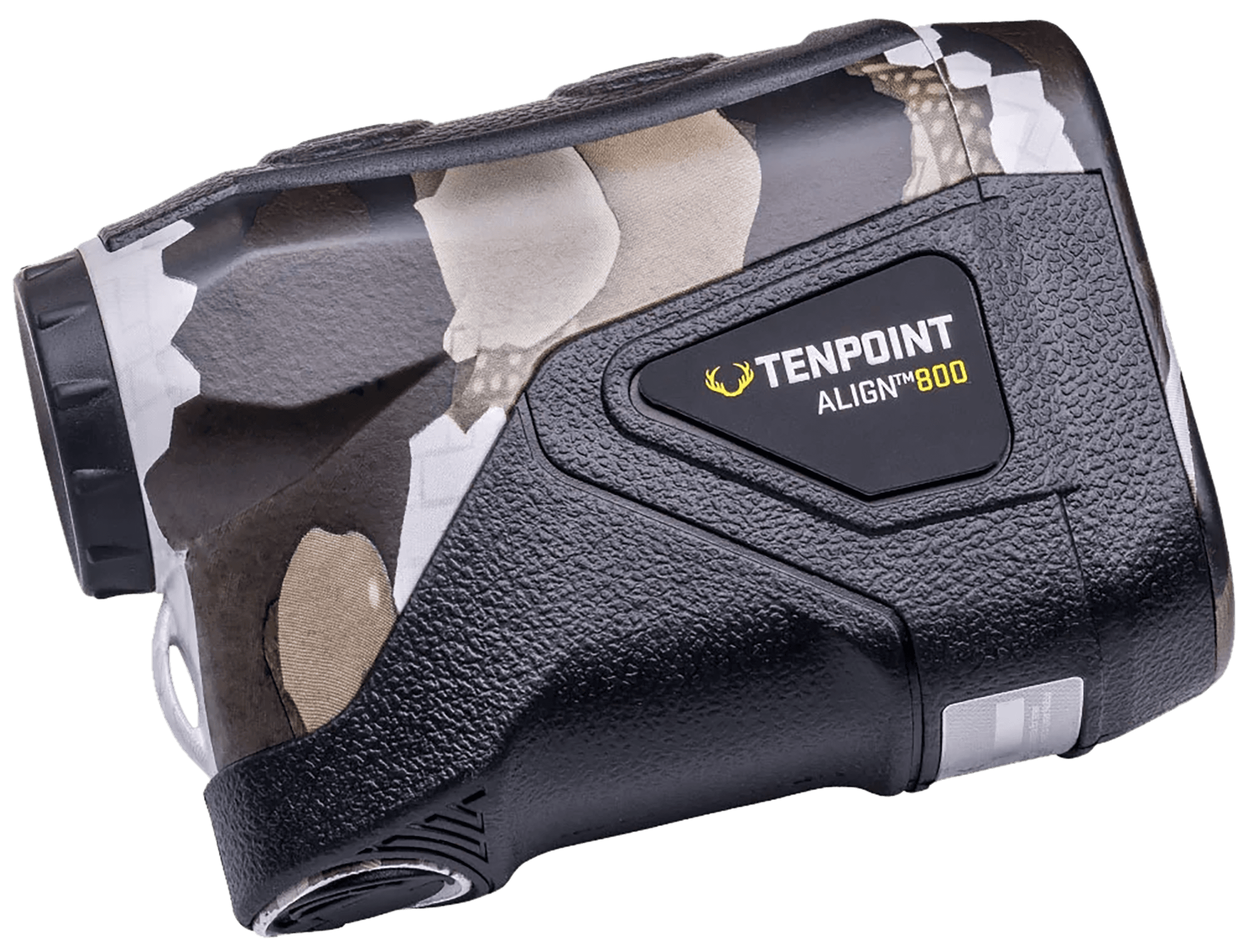
TenPoint Crossbows TenPoint HCA094 Align 800 Rangefinder Black Archery Tool
Built by TenPoint specifically as an archery tool rather than a general-purpose rangefinder, the Align 800 keeps to what a bowhunter needs inside typical shot distances — compact enough for a bino harness or bow-mounted pouch, with an 800-yard range that covers any realistic bow shot with room to spare.
$129.99Price
800 ydMax Range
Archery ToolFormat
NoAngle Comp.
Best Bang-for-Buck
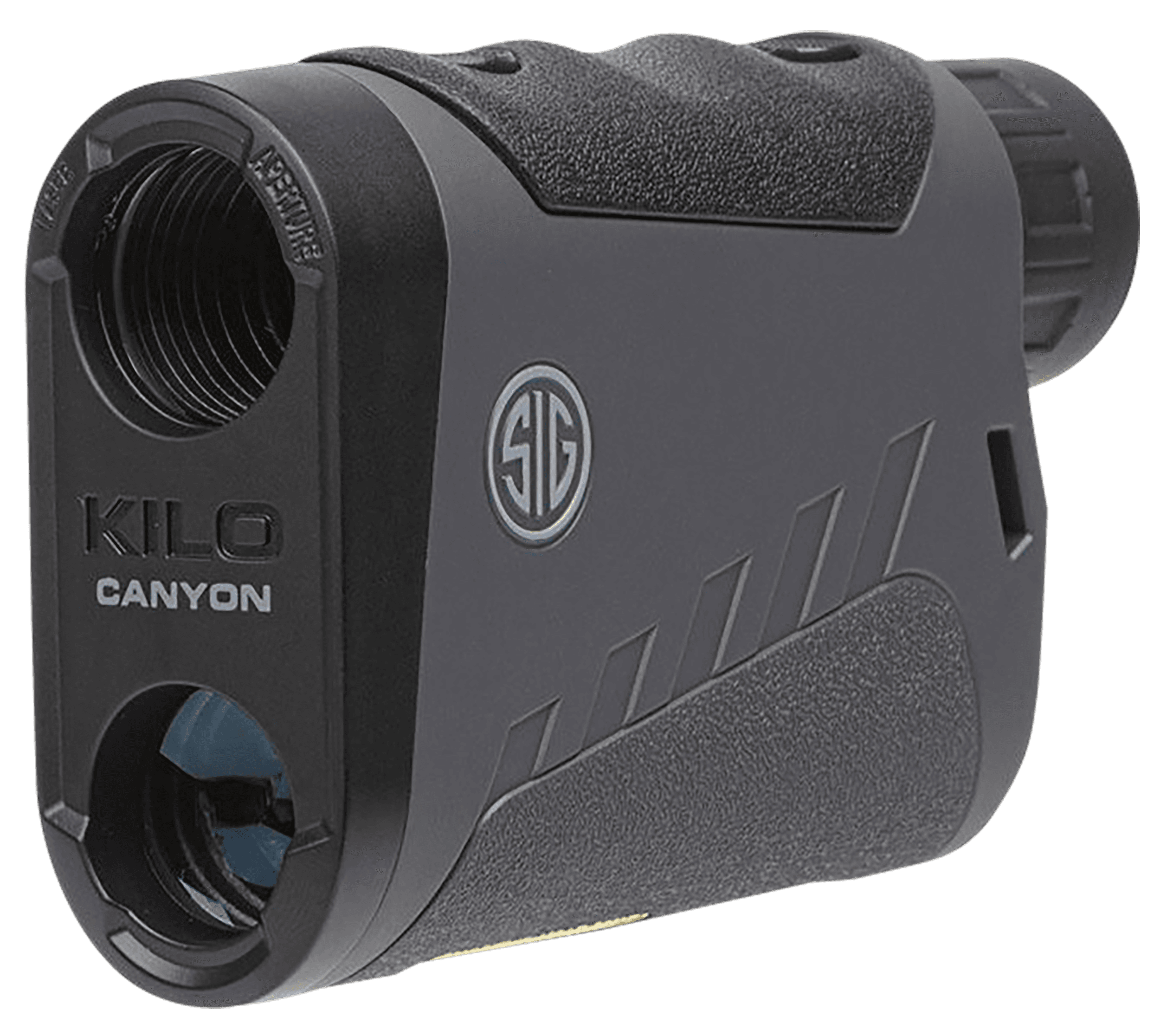
Sig Sauer Kilo Canyon 6x22mm Ballistic Laser Rangefinder (Gray)
For roughly the same price as entry-level units, the Kilo Canyon adds Sig's ballistic engine — 8 onboard ballistic groups with MOA or MRAD holds — plus a longer 1,200-yard range and a 4-reads-per-second scan speed. It's the clearest step up from a basic bow rangefinder without jumping to KILO3K or KILO5K pricing.
$199.99Price
1,200 ydMax Range
6xMagnification
YesBallistic Calc.
Best Ballistic Calculator
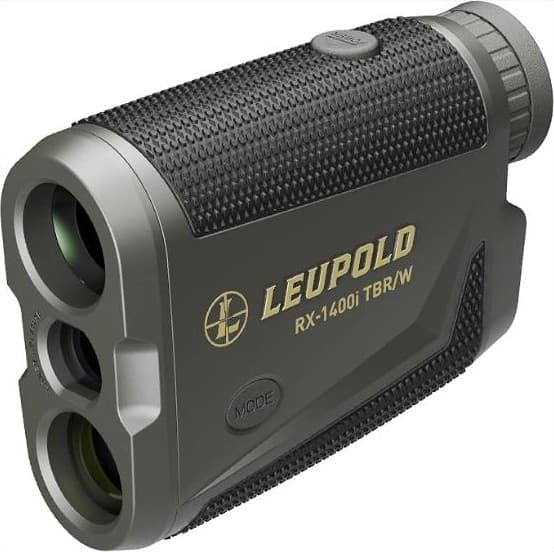
Leupold RX-1400i TBR/W Gen 2 Rangefinder
The RX-1400i is one of the few rangefinders in this lineup built to genuinely serve both a bowhunter and a rifle hunter from the same unit — its Flightpath bow mode gives angle-compensated ranges with obstruction warnings, while True Ballistic Range/Wind mode hands a rifle hunter a wind hold out to 800 yards. That dual-mode design is the real differentiator, not just a longer spec sheet.
$199.99Price
1,400 ydMax Range
6xMagnification
YesBallistic Calc.
Best for Western Hunting
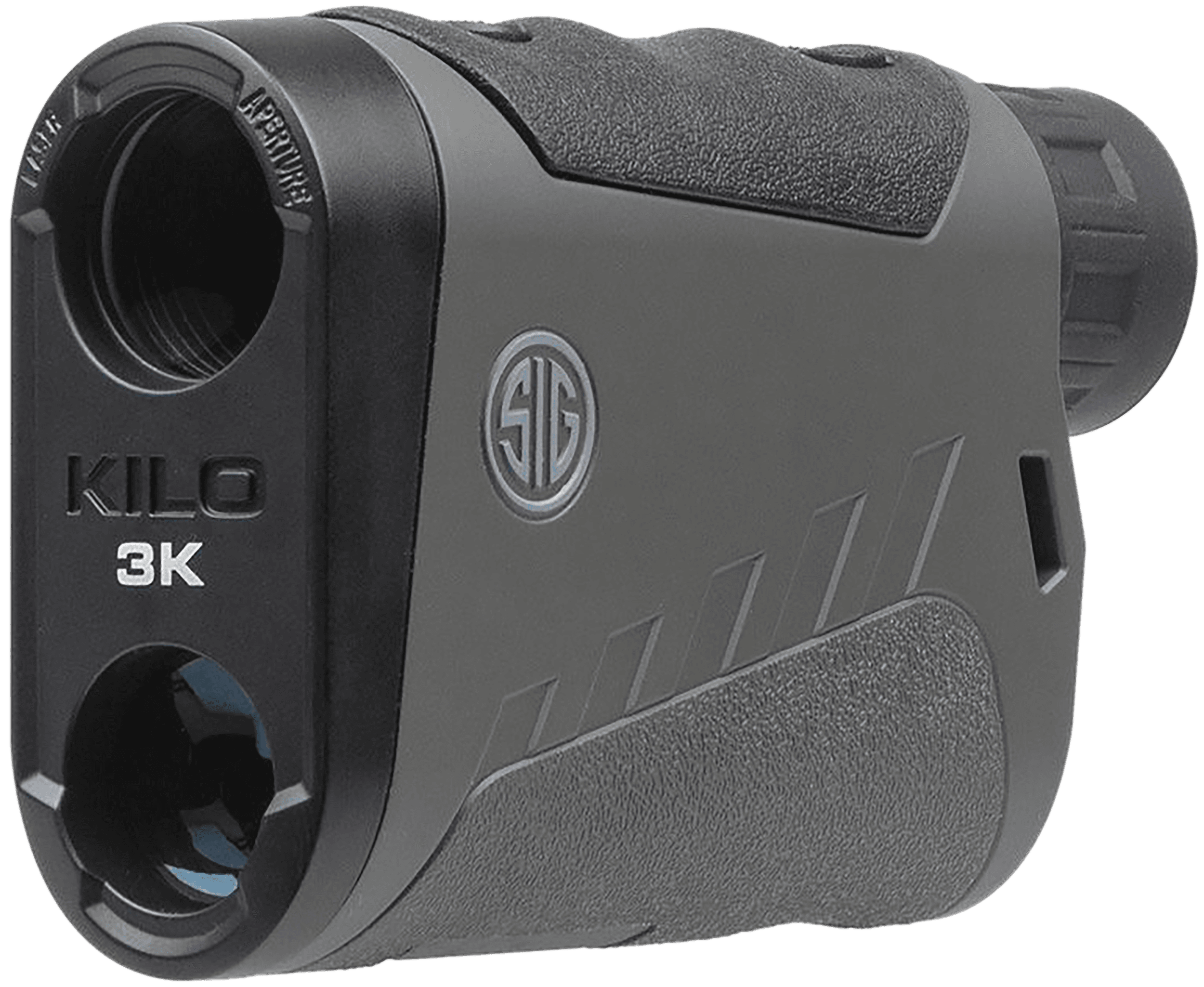
Sig Sauer KILO3K 6x22mm Compact Laser Rangefinder (OD Green)
Open western terrain is where a compact unit's range ceiling actually matters, and the KILO3K's 3,000-yard capability, image stabilization, and BDX Bluetooth connectivity to a compatible riflescope are built for exactly that kind of long-sightline glassing and ranging, not woods hunting.
$349.99Price
3,000 ydMax Range
6xMagnification
YesBallistic Calc.
Best Long Range
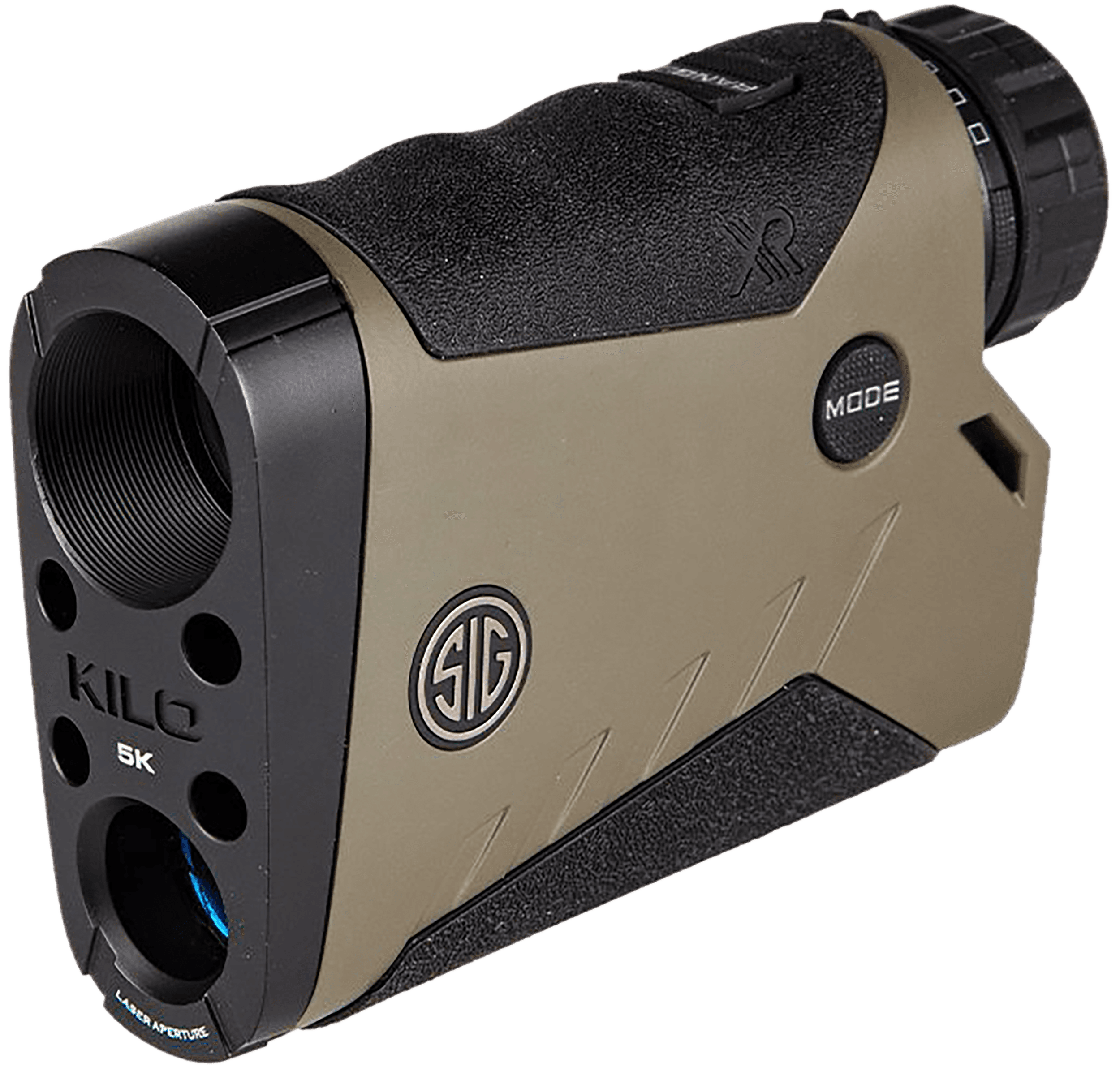
Sig Sauer KILO5K 7x25mm Monocular Ballistic Rangefinder (FDE)
The KILO5K is the flagship of this lineup — a 5,000-yard maximum range, onboard environmental sensors, Applied Ballistics integration, and BDX app connectivity for a fully dialed-in long-range setup. It's priced and specced for a serious western rifle hunter, not a first rangefinder purchase.
$699.99Price
5,000 ydMax Range
7xMagnification
YesBallistic Calc.
Best Rangefinding Binoculars
Halo Optics Halo K2000 10x42 Laser Rangefinder Binoculars
Instead of carrying a separate rangefinder and binocular, the K2000 combines 10x42 glassing optics with a 2,000-yard laser rangefinder in one rugged magnesium chassis — a real workflow advantage for spot-and-stalk hunting where you're already glassing through binoculars and don't want to swap tools mid-stalk.
$327.49Price
2,000 ydMax Range
10xMagnification
Binocular ComboFormat