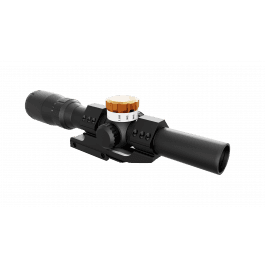
A crossbow scope only works if its calibration actually matches your bow. Beyond that, the real decision is reflex sight vs. magnified scope vs. digital rangefinding scope — three genuinely different approaches to the same problem, not just different price tiers of the same product.
The seven picks below cover a digital rangefinding scope, speed-lock scopes for both 400 and 550 FPS crossbows, an illuminated dial scope, a long-range turret scope, and both reflex sight options. Use the crossbow comparison tableto confirm your bow's FPS before matching a scope, or browse the crossbow scopes shop for the full lineup.
Top Crossbow Scopes
Best Digital / Rangefinding Scope
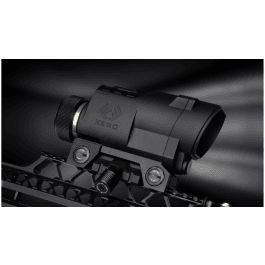
Ravin® Integrated Xero® X1i Crossbow Scope
★★★★★(78)
A Garmin-built digital scope with an integrated rangefinder and pre-calibrated aimpoints for nearly every Ravin model — mount it, select your crossbow, sight in at 20 yards, and the processor handles the rest. It genuinely eliminates carrying a separate rangefinder, which is the real value at this price.
Built specifically for Ravin's XK7 lineup (excluding Sniper packages), this scope's speed-lock system keeps the reticle accurately dialed in at higher bolt speeds where a mismatched scope calibration becomes a real accuracy problem, not a minor spec difference.
A 4.5-star average across 4 reviews backs up the fog-, shock-, and waterproof build on this 400 FPS speed-lock scope — a solid, proven choice for the majority of Ravin crossbows running in that speed range.
The highest-rated crossbow scope in this entire lineup at 4.9 stars across 7 reviews. Red and green reticle options and fully coated lenses make it a genuinely well-reviewed choice for any Ravin crossbow shooting slower than 450 FPS.
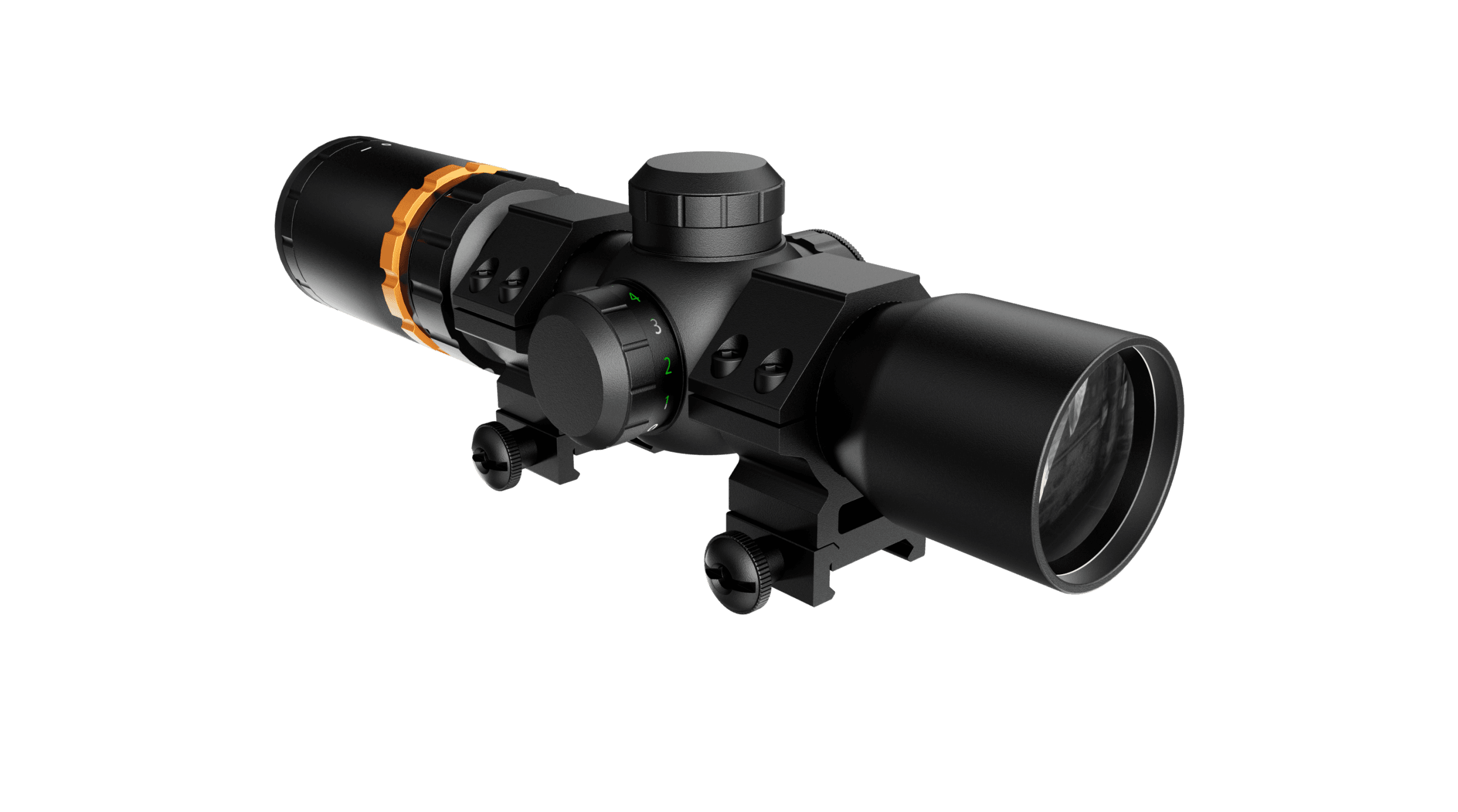
A dial-in elevation turret with included sight tapes works like a rifle scope's turret system — turn to your ranged yardage instead of holding over with a multi-dot reticle. A 4.1-star average across 9 reviews suggests it holds up, and 10 illumination levels cover a wide range of light conditions.
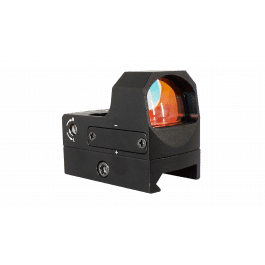
Three dots for multiple distances and a both-eyes-open reflex design make this the fastest option for close-range shots, and a 4.8-star average across 9 reviews is a genuinely strong track record for a reflex sight at this price.
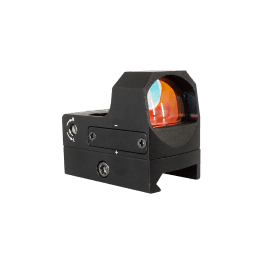
A compact single-dot reflex sight built for the same fast, both-eyes-open target acquisition as its 3-dot sibling, at the lowest price in this entire category. The right choice if you hunt inside a single fixed range and don't need multiple aimpoints.
Crossbow scopes and sights were evaluated by FPS calibration accuracy, reticle type, and real owner ratings, since every scope in this lineup is designed around a specific speed range or use case rather than being universally interchangeable.
FPS calibration is non-negotiable
A scope calibrated for the wrong bolt speed throws off your holdover regardless of build quality. We grouped picks by their actual speed rating instead of treating every scope as a generic upgrade.
Reflex, dial, and digital are different tools
A reflex sight, an illuminated dial scope, and a digital rangefinding scope solve the same problem in genuinely different ways. Picks were chosen to represent each approach rather than repeating similar products.
Honest about weak ratings
One crossbow scope in this catalog carries a notably low owner rating. We left it out of the picks rather than recommending it just to round out the lineup.
Unless a page explicitly says a product was tested hands-on by HuntGearGuide, recommendations are based on product specifications, owner review data, merchant/manufacturer information, and practical hunting-use fit. Prices, ratings, review counts, and availability are point-in-time snapshots, so confirm the current merchant listing before buying.
Which Pick Is Right for You?
Choose the Xero X1i if:
You want to eliminate a separate rangefinder entirely and are willing to pay for genuinely automated ballistics.
Choose the 550FPS Speed Lock if:
You shoot a faster Ravin XK7-series crossbow and need a scope actually calibrated for that speed range.
Choose the 400FPS Speed Lock if:
You shoot in the more common 400 FPS range and want a proven, well-reviewed standard scope.
Choose the 100-Yard Illuminated 450 if:
You want the best-reviewed scope in this entire category and shoot a crossbow under 450 FPS.
Choose the Adjustable Turret Scope if:
You'd rather dial in exact yardage like a rifle scope than hold over with a multi-dot reticle.
Choose the 3 Dot Reflex Sight if:
You want fast, both-eyes-open target acquisition with a little more range flexibility than a single dot.
Choose the Single Dot Reflex Sight if:
You hunt at one fairly consistent range and want the simplest, most affordable sight in the lineup.
What To Look For in a Crossbow Scope
Match the scope's FPS calibration to your actual crossbow
Crossbow scopes with pre-set aimpoints or reticle drops are calibrated for a specific bolt speed range — a 400 FPS scope's reticle will not be accurate on a 550 FPS crossbow, and vice versa. Always confirm the scope's rated FPS range matches your crossbow model before buying, not just the brand.
Reflex sights trade magnification for speed
A reflex sight has no magnification and lets you keep both eyes open for fast target acquisition at closer, more consistent hunting ranges. A magnified or illuminated dial scope helps more at longer or less predictable distances, where precise holdover or dialing matters more than speed.
Digital rangefinding scopes remove a step, at a real cost
A scope like the Ravin Xero X1i folds rangefinding directly into the sight picture, which is a genuine field advantage — one less device to carry or fumble with under pressure. That convenience comes at several times the price of a standard illuminated scope, so it makes the most sense for hunters who shoot longer or more variable distances.
Owner ratings vary meaningfully within this category
Not every crossbow scope in this lineup is equally well-reviewed, even within the same brand. Check the specific model's rating and review count rather than assuming a trusted crossbow brand means every accessory it sells performs the same.
Sponsored
FAQ
Yes, if the scope uses pre-calibrated aimpoints or a reticle designed around a specific speed range — mismatching FPS calibration to your crossbow throws off your holdover at anything beyond close range. Digital scopes with an integrated rangefinder, like the Ravin Xero X1i, sidestep this by calculating ballistics electronically rather than relying on a fixed reticle.
A reflex sight is faster for close, both-eyes-open shots and works well for hunters who consistently shoot inside a predictable range. A magnified or illuminated dial scope helps more when shot distances vary or extend past typical reflex-sight comfort zones, since it gives you a precise aimpoint or dial-in adjustment at range.
It's worth it if you value not carrying a separate rangefinder and want ballistics calculated automatically rather than relying on reticle holdover. For hunters who shoot closer, more consistent distances, a well-reviewed standard illuminated scope or reflex sight delivers similar practical accuracy for a fraction of the cost.
Disclosure: As an Amazon Associate, HuntGearGuide earns from qualifying purchases. Some links above are affiliate links from other partners too, at no extra cost to you. This helps us keep the tools free.