
WOSPORTS G100 Trail Camera
★★★★★(9)
0.3s
Trigger Speed
60 ft
Detection Range
Unknown
Night Range
24MP
Megapixels
1080PIP54None (SD card only, up to 32GB)
View Deal
Home / Buying Guides / Best Trail Cameras
Dependable scouting cameras that capture what's moving through your property day and night — cellular and SD-card, compared side by side.
Trail cameras are the most efficient way to understand what is using your property before season opens. A well-placed camera answers questions that would otherwise take weeks of glassing or guessing: which entry trail is active, when deer are moving, and whether the buck you saw in velvet stuck around into November.
The first decision is cellular or SD-card. Cellular cameras send photos to your phone in real time for a monthly data plan — the right call for remote stands, leased ground, or any site you can't check often. SD-card cameras cost nothing after the purchase but need a walk-in to pull the card. The comparison table and picks below are split by connectivity so you can shop the type that actually fits how you hunt. Use the deer hunting guide to plan your full preseason scouting kit, check the trail cameras shop to see the full lineup, or use the trail camera comparison tableto sort every spec side by side. If you're also working on your concealment setup, see our hardwood camo picks or western hunting camo guide.
Price, trigger speed, detection range, night range, resolution, video, water rating, and connectivity for every camera in this guide. Sort any column to find what matters most to you.
| Model | Video | Water Rating | Connectivity | Actions | |||||||
|---|---|---|---|---|---|---|---|---|---|---|---|
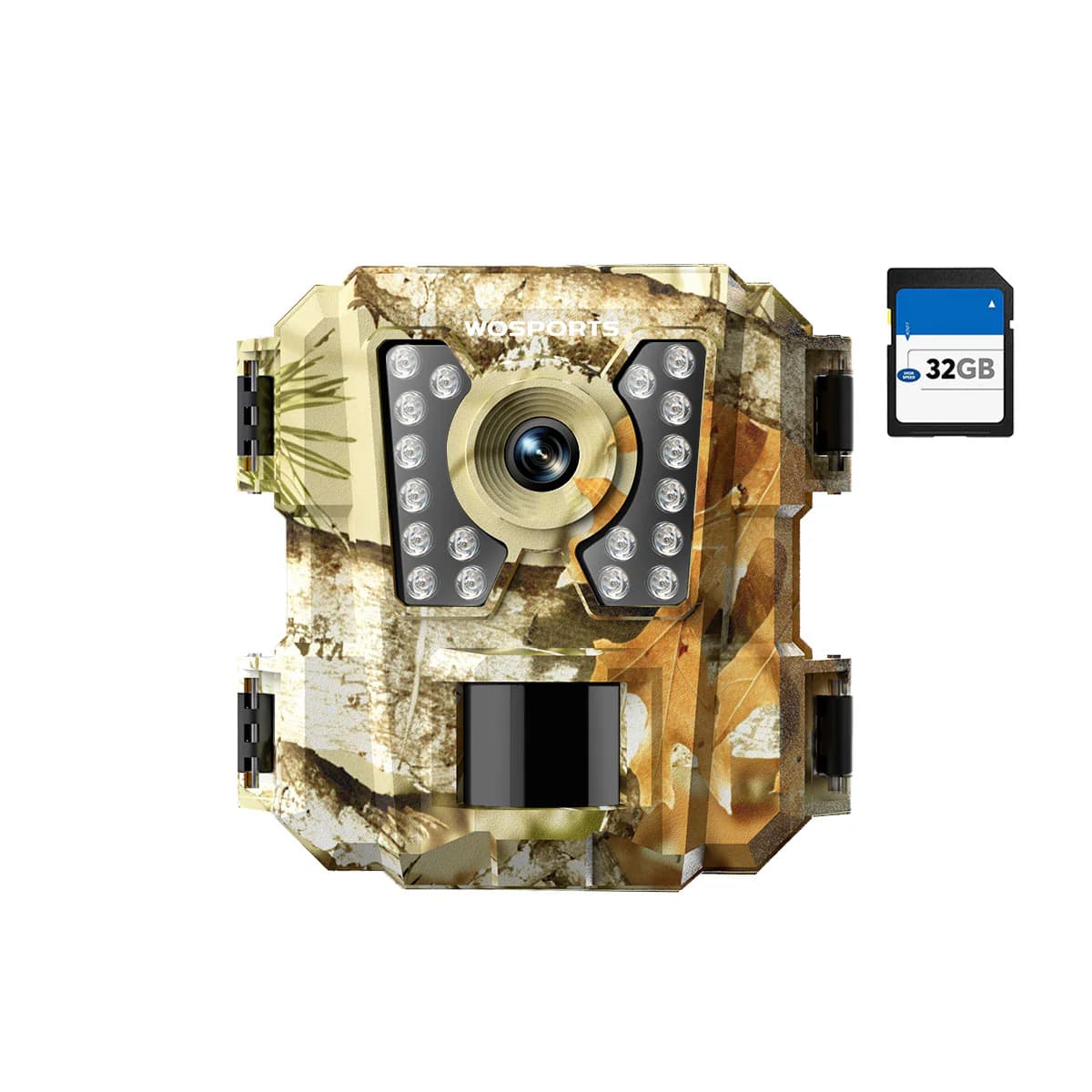 WOSPORTS G100 Trail Camera | $39.99 | 0.3s | 60 ft | Unknown | 24MP | 1080P | IP54 | None (SD card only, up to 32GB) | ★★★★★ | 9 | View Deal |
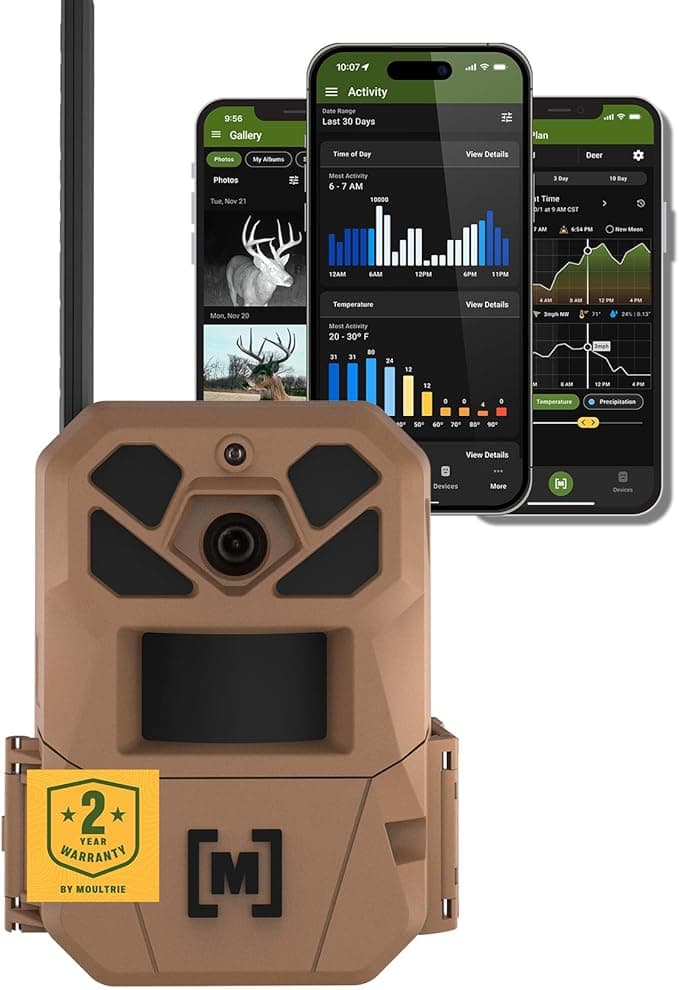 Moultrie Edge 3 Cellular Trail Camera | $55.73 | 0.5s | 100 ft | Unknown | 40MP | 1080p HD | Unknown | Cellular (nationwide 4-carrier auto-connect, data plans from $9.99/month) | ★★★★★ | 147 | View Deal |
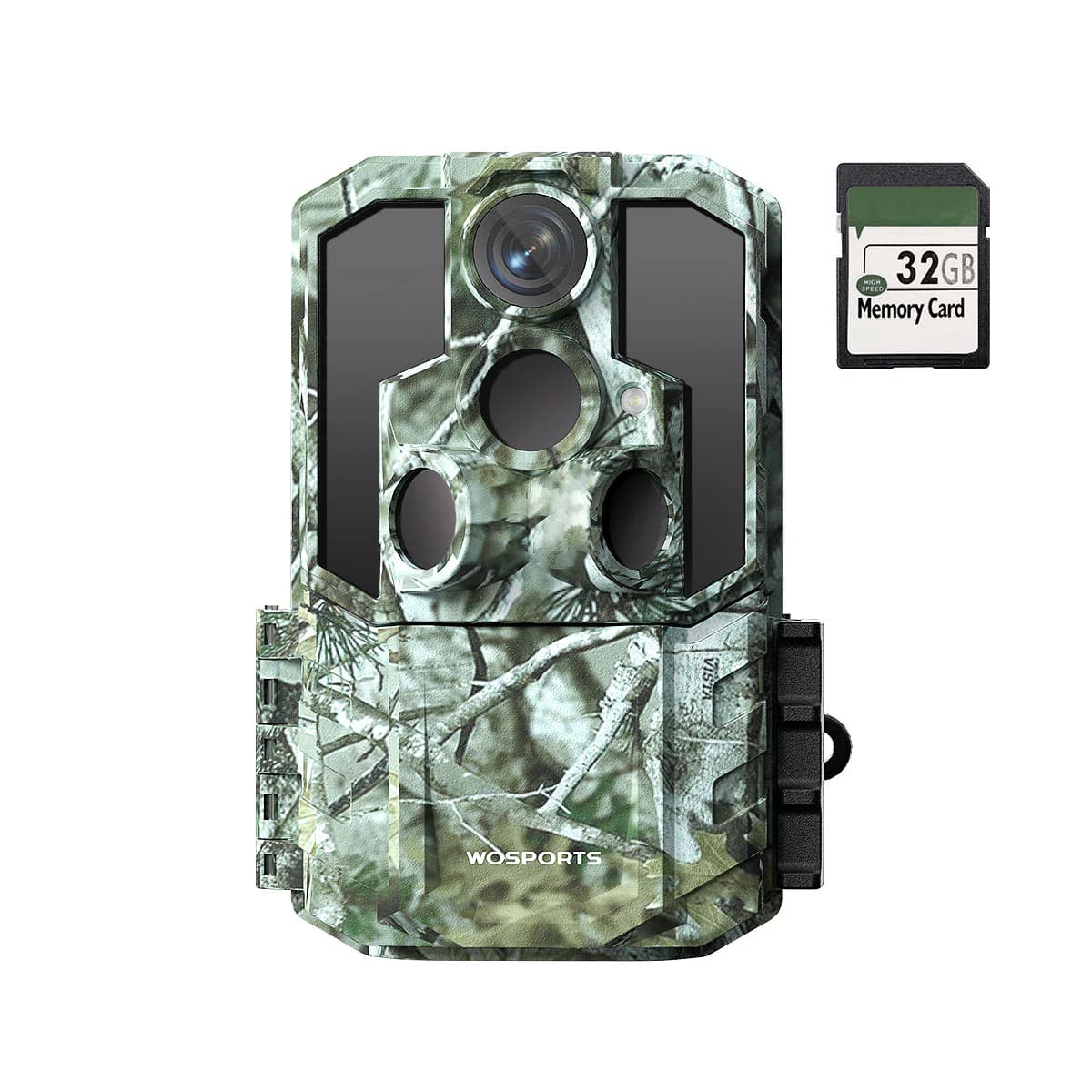 WOSPORTS G600 4K Trail Camera | $59.99 | 0.2s | 70 ft | 90 ft | 48MP | 4K (3840x2160), also supports 2560x1440, 1920x1080, 1280x720, 640x480 | IP66 | None (SD/SDHC card only, up to 256GB; 32GB card included) | ★★★★★ | 14 | View Deal |
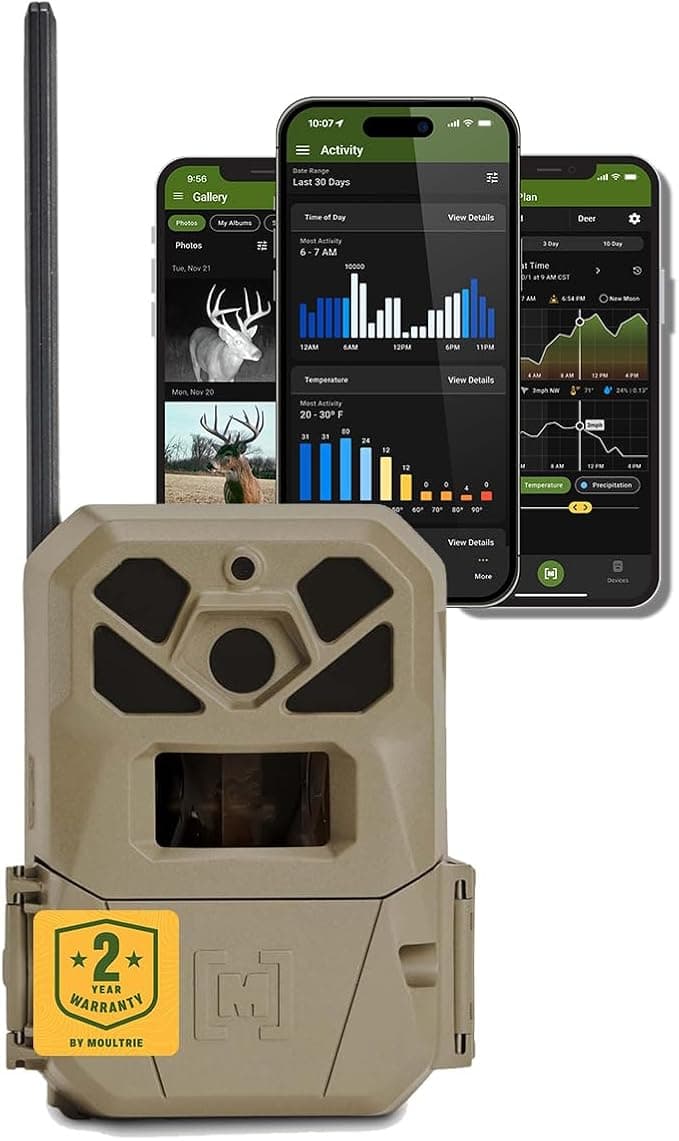 Moultrie Edge 2 Pro Cellular Trail Camera | $65.00 | Unknown | 100 ft | Unknown | 40MP | 1440p HD with audio | Unknown | Cellular (nationwide 4G LTE auto-connect, no SIM cards to swap) | ★★★★★ | 369 | View Deal |
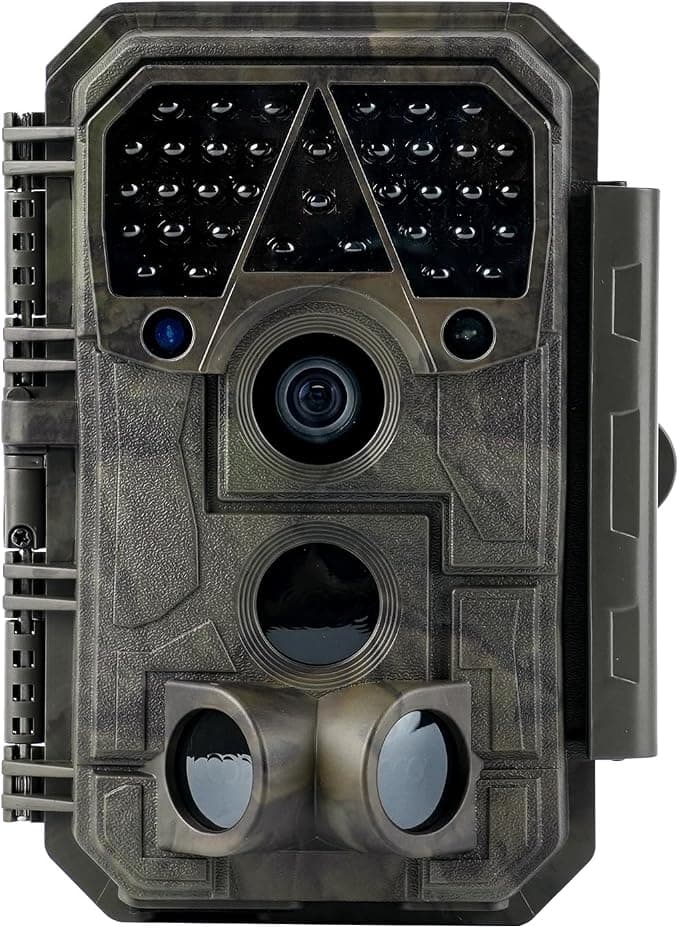 Meidase P70 Trail Camera | $65.99 | 0.1s | Unknown | 100 ft | 64MP | 1296p | Unknown | Non-Cellular, Non-WiFi (SD card only) | ★★★★★ | 751 | View Deal |
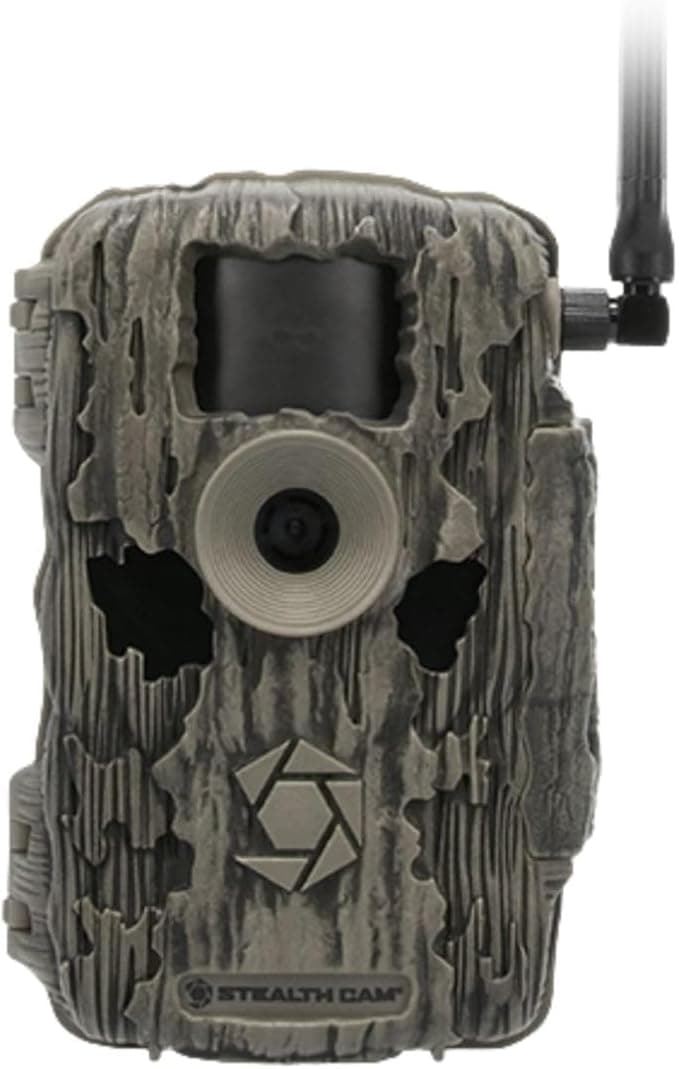 Stealth Cam Fusion Max 2.0 Cellular Trail Camera | $68.74 | 0.4s | 100 ft | Unknown | 36MP | 1080p | Unknown | Cellular (dual-carrier auto-connect, built-in GPS, Command PRO app) | ★★★★½ | 60 | View Deal |
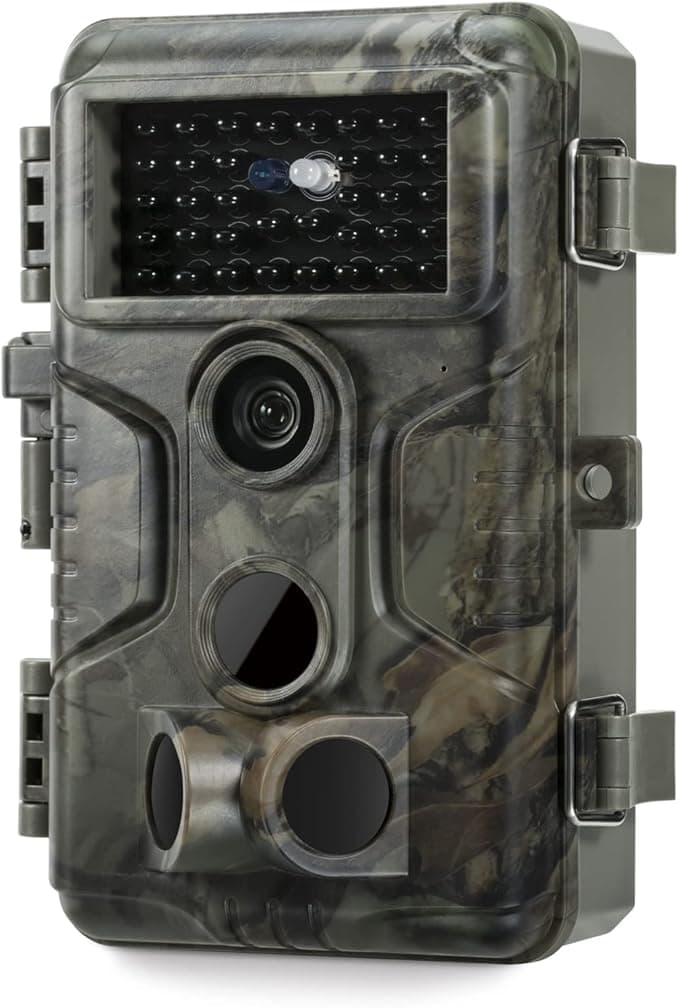 GardePro A3S Trail Camera | $71.99 | 0.1s | Unknown | 100 ft | 64MP | 1296P HD with sound | Unknown | Non-Cellular, Non-WiFi (SD card only, up to 512GB, not included) | ★★★★★ | 1,888 | View Deal |
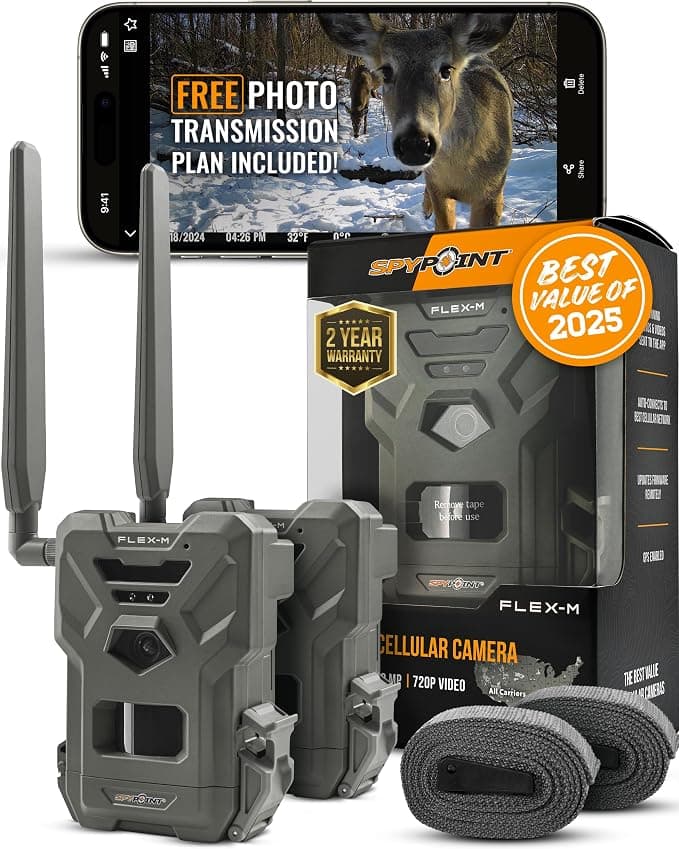 SPYPOINT Flex-M Twin Pack Cellular Trail Cameras | $89.99 | Unknown | Unknown | Unknown | 28MP | 720p with sound | IP65 | Cellular (dual-SIM LTE, no WiFi needed, GPS-enabled) | ★★★★★ | 2,088 | View Deal |
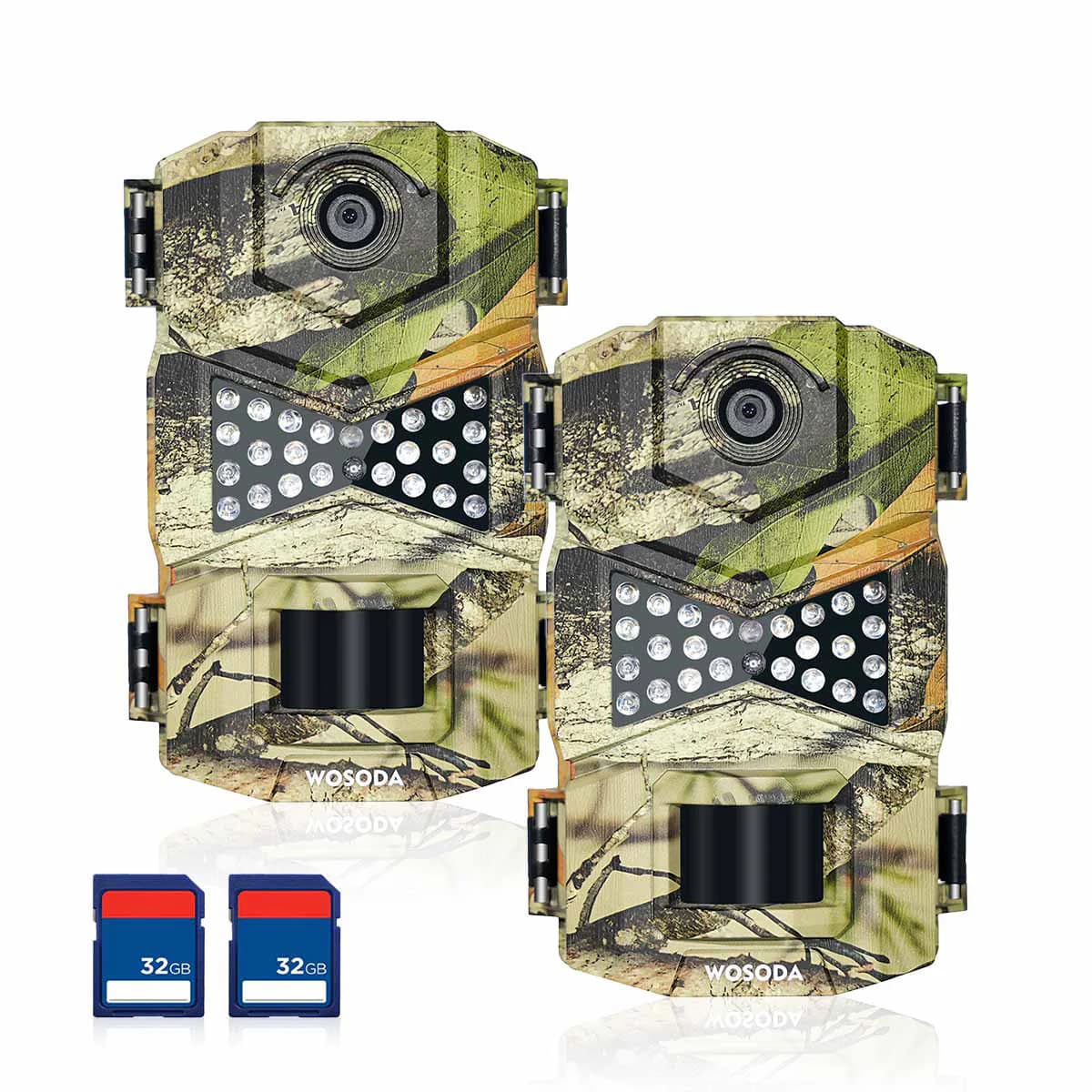 WOSPORTS G200 Trail Camera 2 Pack | $99.99 | 0.3s | 60 ft | 60 ft | 30MP | 1080P | IP54 | None (SD card only, up to 32GB; two 32GB cards included in this 2-pack) | Unknown | Not yet rated | View Deal |
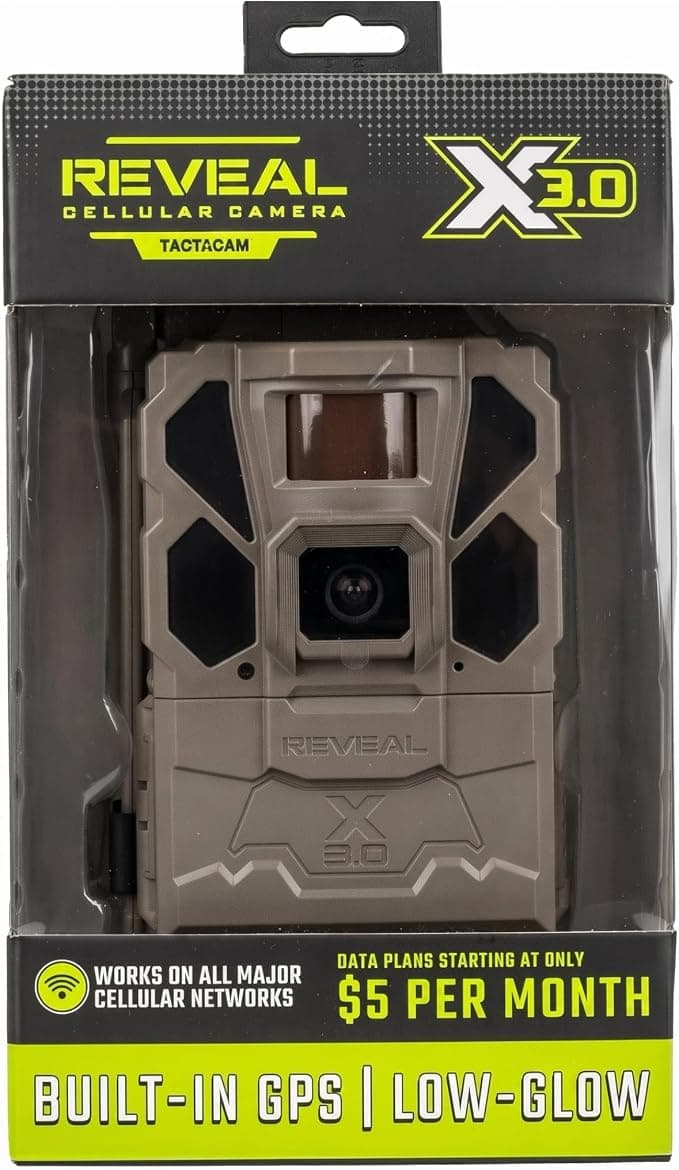 TACTACAM Reveal X 3.0 Cellular Trail Camera | $99.99 | 0.5s | Unknown | Unknown | Unknown | 1080p | IP66 | Cellular (multi-carrier LTE, auto-connects to AT&T or Verizon, no SD card required) | ★★★★★ | 914 | View Deal |
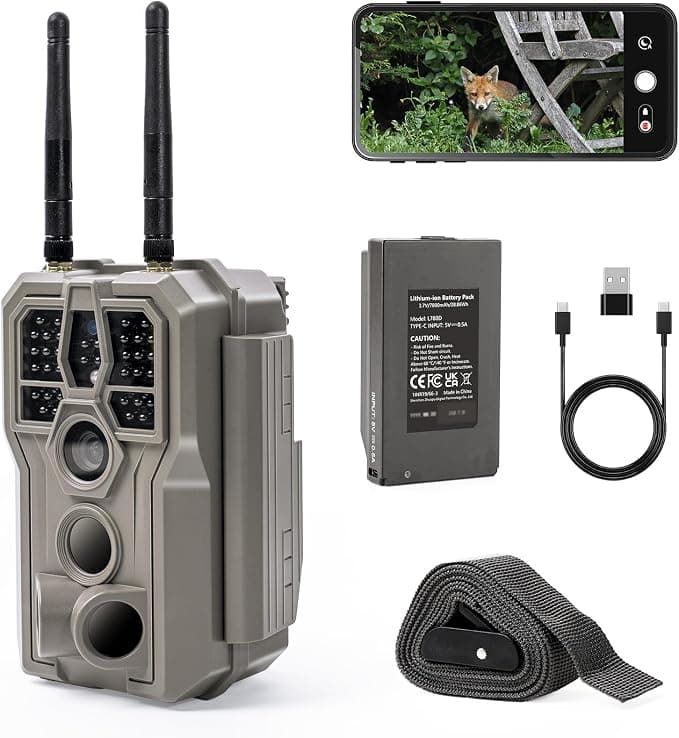 GardePro E8 2.0 Pro WiFi Bluetooth Trail Camera | $109.99 | 0.1s | Unknown | Unknown | 64MP | 4K with synchronized audio | Unknown | Non-Cellular — on-site WiFi 6 + Bluetooth sync only, up to 165 ft range (no home WiFi router or cellular network support) | ★★★★★ | 2,011 | View Deal |
 WOSPORTS G600PRO Wi-Fi Solar Trail Camera | $109.99 | 0.1s | 75 ft | 75 ft | 48MP | 2K (2304x1296P); also supports 1920x1080P and 1280x720P | IP66 | WiFi app (802.11b/g/n, ~150ft range) + Bluetooth 5.0 BLE, plus SD card storage (up to 512GB) | Unknown | Not yet rated | View Deal |
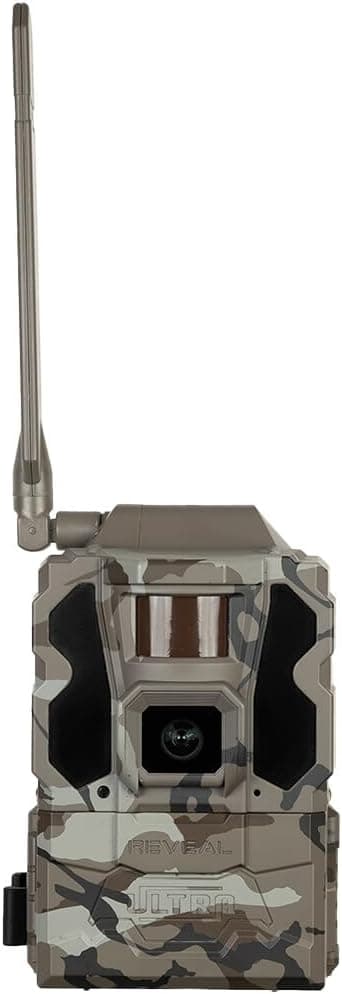 TACTACAM Reveal Ultra Cellular Trail Camera | $139.99 | 0.5s | Unknown | Unknown | Unknown | 2.5K | Unknown | Cellular (auto-connect LTE, on-demand live video and photo requests) | ★★★★★ | 232 | View Deal |
Auto-connect multi-carrier LTE, built-in GPS, and no SD card to manage make the Reveal X 3.0 the easiest cellular camera to run hands-off all season, backed by 6+ months of advertised battery life.
A 0.5-second trigger, AI buck detection, and nationwide 4-carrier auto-connect make the Edge 3 the fastest way into cellular scouting, with Moultrie's data plans starting at $9.99 a month.
Two dual-SIM LTE cameras with GPS and night vision for under $90 makes this the cheapest way to put cellular coverage on two trails at once — SPYPOINT also includes a free 100-photo-a-month data tier before you pay anything.
AI false-trigger elimination filters out blowing grass and small critters so your feed is bucks, does, and turkeys instead of empty frames, backed by 40MP photos and 1440p HD video with audio.
A 0.4-second trigger, built-in GPS, and dual-carrier auto-connect give the Fusion Max 2.0 dependable cellular coverage, with selectable resolution up to 36MP to manage how much data you use.
Live video and photo requests, switchable no-glow/low-glow flash, and active GPS theft alerts make the Reveal Ultra the most capable cellular camera in this lineup — built for hunters who want more than still photos.
4K video, 120° detection angle, and IP66 waterproofing make the G600 the most capable single SD-card camera in the lineup. Fast trigger speed and strong night performance hold up across early season and rut.
24MP stills, 1080P video, and built-in night vision for under $40 make the G100 the right starting point for hunters covering multiple stand sites or trying trail cameras for the first time.
Two cameras, 1080P video, and motion detection up to 60 feet for $100 is the right choice when you need to cover multiple entry points, food plots, or travel corridors without doubling your budget.
Built-in Wi-Fi with no monthly fees lets you pull photos and video without walking in to check an SD card. 48MP images, 2K video, a 0.1-second trigger, and a 7800mAh rechargeable battery make it the right pick for a mailbox-distance or hard-to-reach site.
A Sony Starvis sensor and 64MP photos with synced audio give the A3S some of the sharpest stills in this lineup, and running fully offline — no cellular, no WiFi — keeps it sipping battery across a full season.
A 0.1-second trigger and an f/1.6 lens mean the P70 catches fast-moving deer at 100 feet of no-glow night range — no data plan, no WiFi, just an SD card to pull.
WiFi 6 and Bluetooth let you pull 64MP photos and 4K video from up to 165 feet away without walking up to the camera or paying a cellular bill — a middle ground between a pure SD camera and a full cellular plan.
You hunt remote stands, leased ground, or property you can't check often. Photos land on your phone in real time, and features like GPS theft alerts and AI buck detection help you pattern deer from the truck instead of walking in to check a card.
Your stand is a short walk from the truck, you're outfitting several sites on a budget, or you'd rather not carry a monthly bill. No data plan, no cellular dead zones — just pull the card and check images at home.
Most brands run $5 to $15 per camera per month once you're past any free tier. TACTACAM's cheapest plan covers every Reveal camera on one account for around $5/month, SPYPOINT includes a free 100-photos-a-month tier before you pay anything, and Moultrie and Stealth Cam plans typically start near $9.99–$10 per camera. Multiply that across a season — and across every camera you run — before deciding cellular is worth it for a given stand.
I ranked these on image quality, trigger speed, night performance, detection range, battery life, weather resistance, and value at their price point — the same list I'd actually check before buying one myself.
Marketing megapixel numbers don't predict a usable photo, so picks were judged on whether they actually deliver correct exposure, readable detail, and consistent night performance in real conditions — not on the spec sheet alone.
Budget and value-pack picks were judged on how much property they help you cover per dollar — a two-pack watching two trails beats a single premium camera watching one, for most scouting setups.
IP ratings only tell part of the story, so build quality and real owner feedback on long-term reliability outdoors — through rain, cold, and a full season left on a tree — factored into the final picks alongside the spec.
Unless a page explicitly says a product was tested hands-on by HuntGearGuide, recommendations are based on product specifications, owner review data, merchant/manufacturer information, and practical hunting-use fit. Prices, ratings, review counts, and availability are point-in-time snapshots, so confirm the current merchant listing before buying.
You want the simplest cellular setup — no SD card to manage, multi-carrier auto-connect, and 6+ months of advertised battery life for a stand you don't want to visit often.
You want cellular scouting without the premium price — a fast 0.5-second trigger and AI buck detection for under $60, with data plans starting at $9.99 a month.
You don't want a monthly bill and check your camera within walking distance — 4K video and IP66 weatherproofing for one flat price.
You want the sharpest stills in the SD-card lineup — a Sony Starvis sensor and 64MP photos with audio, all running fully offline.
A camera that fires half a second after an animal enters the frame will miss more shots than a camera with fewer megapixels but a fast trigger. Look for trigger speed in product specs or reviews.
Black infrared LEDs are harder for animals to detect than white flash, but they tend to produce darker images. For stand sites where spooked deer is a concern, go IR. For maximum image quality at night, look for white flash.
A camera that burns through eight AAs in three weeks is expensive to maintain across multiple sites over a full season. Check owner reviews for real-world battery life, not just advertised standby hours.
The camera price is only part of what a cellular setup costs. Budget the monthly plan across a full season — and across every camera you run — before deciding cellular is worth it for a given stand.
A camera with a slow trigger misses the shot no matter how sharp the photo would have been. Prioritize trigger speed and detection range over headline resolution numbers.
Black IR is harder for deer to notice but produces darker night images; white flash gives you a clearer photo at the cost of being more visible. Pick based on how spook-sensitive your setup is, not just image quality.
A cellular camera earns its data plan on a stand you rarely visit. On a stand you check weekly anyway, an SD-card camera gets you the same photos for less money over a season.
Most hunters start with one camera per stand site and add more as they identify high-traffic areas. A two-pack like the G200 or the SPYPOINT Flex-M twin pack is a practical way to cover two entry points or a food plot edge without doubling your camera budget.
24MP stills and 1080P video is more than enough to identify deer species, antler characteristics, and time of day. 4K is useful if you want to crop images for closer looks, but it is not required for typical scouting.
Travel corridors, field edges, scrape lines, and water sources are the most productive locations. Mount cameras at about chest height on a tree, angled slightly downward, and point them north or south to avoid sun glare washing out images.
If your camera is a short walk from the truck and you don't mind pulling the SD card, a standard camera does the job for less money and no monthly bill. Cellular is worth it for stands you rarely visit, leased ground you can't check often, or when you want alerts as animals move — you're paying for real-time information, not better photos.
Most brands run $5 to $15 per camera per month once you're past any free tier. TACTACAM's cheapest plan covers every Reveal camera on one account for around $5/month, SPYPOINT includes a free 100-photos-a-month tier before you pay anything, and Moultrie and Stealth Cam plans typically start near $9.99–$10 per camera.
Most cellular cameras still function without an active plan, but they won't send photos to your phone — you'd need to pull the SD card like a standard camera, if the model even has a slot for one. If you don't plan to pay for data, a non-cellular camera is the better buy.
Most current cellular trail cameras — including the Moultrie Edge series, TACTACAM Reveal line, and SPYPOINT Flex-M — auto-connect to whichever major carrier (AT&T, Verizon, or T-Mobile) has the strongest signal at your specific location, rather than locking you to a single network.
Use the gear checklist generator to plan cameras alongside the rest of your scouting and stand setup — so nothing gets forgotten before the season opens.