"Night vision" actually covers three different technologies that solve different problems: digital devices that amplify a camera image, true image-intensifier tubes that amplify existing light directly, and thermal imagers that detect heat instead of light entirely. Picking the wrong category for your use case is the most common mistake hunters make in this space.
The six picks below span $199 digital binoculars to a $6,395 dual-tube Gen 3 system, covering budget scouting, entry-level thermal, dedicated hunting thermal, and hands-free true night vision. Use the gear checklist to plan the rest of your night-hunting kit, browse the night vision shop for the full lineup, or use the night vision comparison table to sort specs side by side.
Top Night Vision Picks
Best Budget / Wildlife Viewing
WOSPORTS NV400 Night Vision Binoculars Black
The WOSPORTS NV400 records 4K video and 16MP stills with a 7-level adjustable infrared illuminator, so you can scout, glass, and review footage without spending thermal or tube money. It's a digital device — great for wildlife observation and low-light scouting, not a substitute for true night vision or thermal detection.
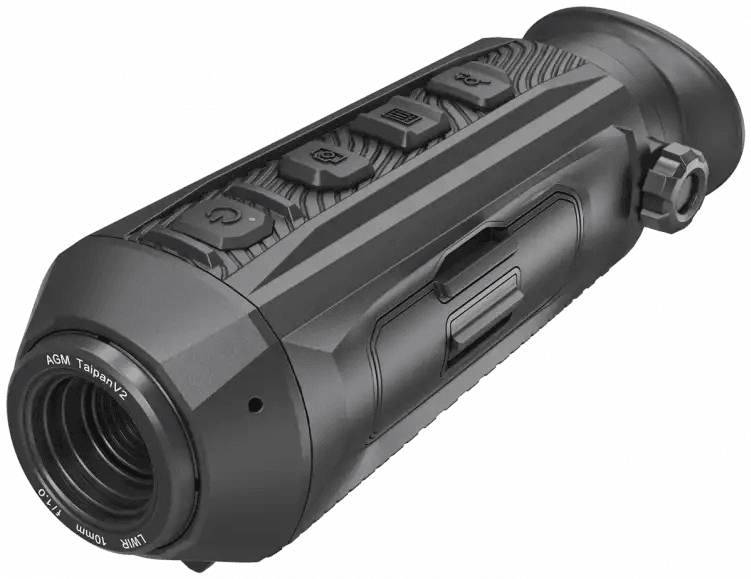
Thermal detects heat instead of light, so it works in total darkness, through light brush, and doesn't care about ambient illumination. The AGM Taipan V2 is the least expensive way into that technology — a compact 1.5-12x monocular built for spotting heat signatures rather than fine detail.
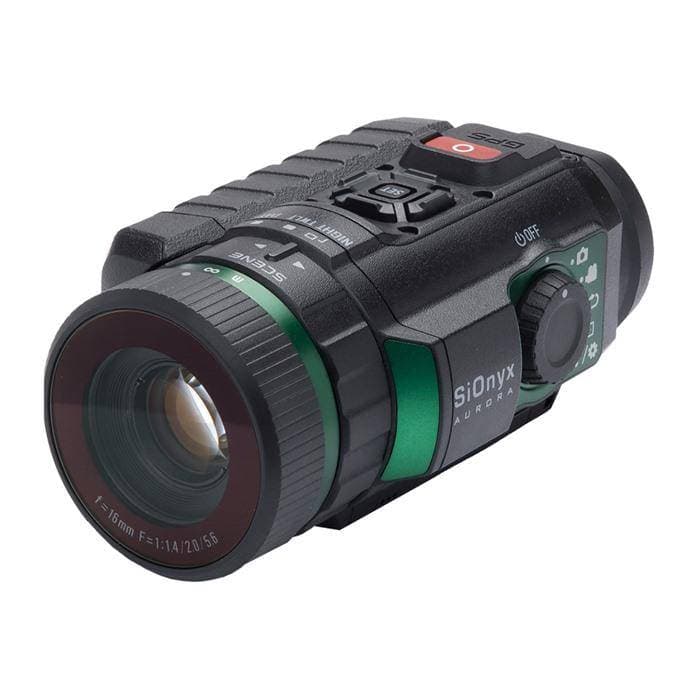
SiOnyx built its name on digital sensors sensitive enough to render a genuinely useful color-at-night image, not just green-tinted noise. The Aurora Black is aimed at wildlife observation and low-light scouting — a step up from basic digital binoculars without the cost of a tube-based system.
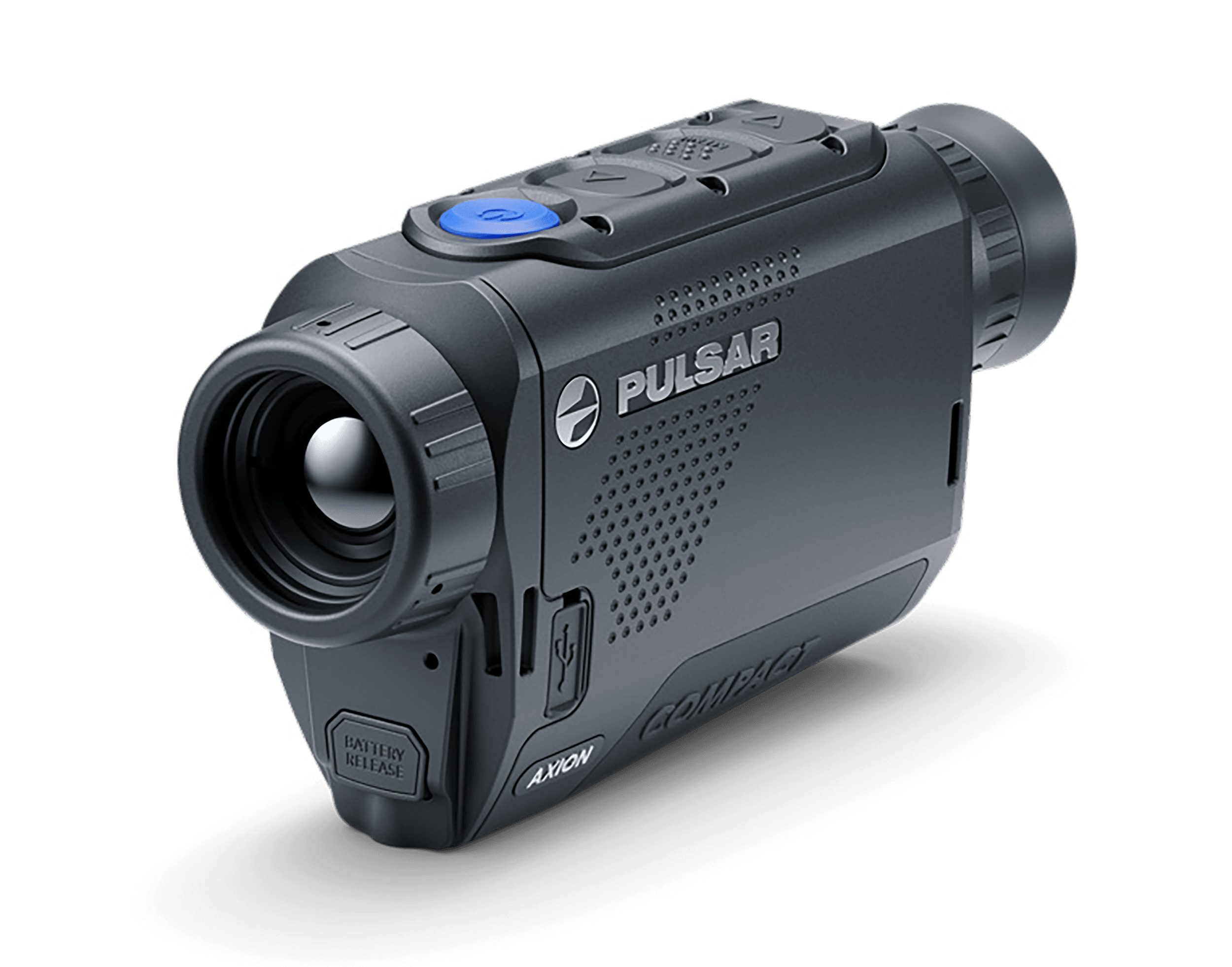
A 384x288 sensor and 1.5-6x magnification make the AXION XQ19 genuinely useful for finding game after dark or tracking a blood trail's heat signature through cover — the situations where digital and standard night vision both struggle. Pulsar is one of the more established names in hunting thermal.
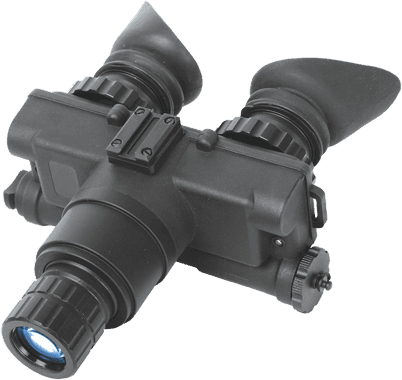
ATN NVG7-2W Night Vision Goggles 2+ White Phosphor
This is the category most people mean when they say "night vision" — a true Gen 2+ image-intensifier tube, not a digital sensor. The NVG7-2W mounts to a helmet for hands-free use and adds White Phosphor tubes, which most hunters find easier to read than traditional green phosphor over a long sit.
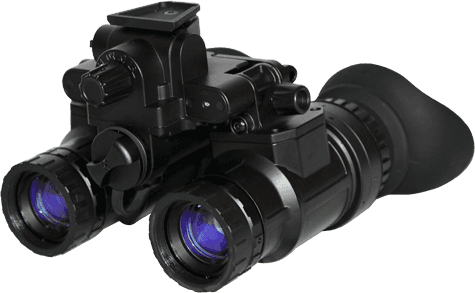
Dual independently pivoting Gen 3 tubes give true binocular depth perception instead of the single-eye view every other pick on this list uses. It's a serious investment aimed at hunters and operators who need the best available image quality and depth judgment in total darkness, not an impulse buy.
Night vision splits into three genuinely different technologies — digital, image-intensifier (tube), and thermal — so picks were grouped by which job each one actually does rather than ranked on a single scale.
Technology, not just price
A $200 digital monocular and a $6,000 Gen 3 tube system solve different problems. We separated digital, analog/tube, and thermal so buyers match the tool to the use case instead of the price tag.
Real hunting use cases
Predator hunting, blood trailing, hog detection through brush, and hands-free still-hunting all favor different devices. Picks were chosen around those situations, not spec-sheet superlatives.
Honest about ratings
Most of this category is new-to-market with limited owner review history. We did not invent star ratings or review counts — where that data doesn't exist yet, the pick stands on its specs and description alone.
Unless a page explicitly says a product was tested hands-on by HuntGearGuide, recommendations are based on product specifications, owner review data, merchant/manufacturer information, and practical hunting-use fit. Prices, ratings, review counts, and availability are point-in-time snapshots, so confirm the current merchant listing before buying.
Which Pick Is Right for You?
Choose the WOSPORTS NV400 if:
You want an affordable way to observe wildlife or scout at night and are fine with a digital device rather than true night vision or thermal.
Choose the AGM Taipan V2 if:
You want to try thermal detection without spending premium-tier money — the cheapest path into heat-signature spotting in this lineup.
Choose the SiOnyx Aurora if:
You want a more capable digital monocular from a brand built specifically around low-light sensor performance, for scouting and wildlife observation.
Choose the Pulsar AXION XQ19 if:
You want a dedicated hunting thermal — locating game or predators through cover and total darkness matters more to you than image detail.
Choose the ATN NVG7-2W if:
You want true, hands-free night vision for moving through the woods at night — helmet mounted, Gen 2+ tubes, and White Phosphor for easier long-sit viewing.
Choose the ATN PS31 Gen 3 if:
Budget isn't the deciding factor and you want the best available image quality and true depth perception from dual independently pivoting tubes.
What To Look For in Night Vision Gear
Digital, tube, and thermal solve different problems
Digital night vision amplifies a low-light camera image and needs at least some ambient or infrared light to work. True image-intensifier (tube) night vision amplifies existing light directly and gives the clearest natural image. Thermal detects heat and works in total darkness or through light cover, but shows no detail beyond a heat outline. Buy for the job, not the marketing term.
Gen 2+ vs Gen 3 tubes is a real price-to-performance decision
Gen 3 tubes resolve more detail in less available light and generally last longer, which is why Gen 3 goggles cost several times more than Gen 2+ units. For most whitetail-woods hunting, a Gen 2+ device is genuinely enough; Gen 3 earns its price in the darkest conditions or for professional use.
Thermal is the right tool for finding game, not identifying it
A thermal monocular will show you a heat signature moving through cover long before your eyes or a flashlight would catch it — useful for locating downed game or spotting predators. It won't show antler points or color, so hunters often pair thermal for detection with a rangefinder or standard optic for identification before taking a shot.
FAQ
Digital night vision uses a camera sensor and needs some light (often supplemented by an infrared illuminator) to produce an image on a screen. True night vision (image-intensifier or "tube") amplifies existing ambient light directly through the optic. Thermal imaging detects heat rather than light, so it works in complete darkness but only shows a heat outline, not fine detail.
It depends on the job. Thermal is best for locating game or predators in total darkness or through brush, since it detects heat rather than needing light. Standard or digital night vision is better for identifying what you're looking at, since it produces a recognizable image rather than a heat blob. Serious night hunters often use both.
For most hunting applications, a quality Gen 2+ device performs well and costs meaningfully less. Gen 3 tubes are worth the premium if you regularly operate in the darkest conditions, want the longest tube lifespan, or need the best possible resolution for professional or extended field use.
Disclosure: As an Amazon Associate, HuntGearGuide earns from qualifying purchases. Some links above are affiliate links from other partners too, at no extra cost to you. This helps us keep the tools free.