A headlamp isn't always the right tool — a handheld flashlight gives you a more focused, aimable beam for scanning distance, working around camp, or keeping in a truck or pack as a dedicated backup. Output, beam distance, and power source vary enormously across this category, so the right pick depends heavily on what you actually need it to do.
The six picks below cover a genuine budget option, a premium everyday-carry light, a long-range tactical throw light, an ultra-high-output searchlight, a duty-grade rechargeable, and a dedicated camp spotlight. Use the gear checklist to plan lighting alongside the rest of your hunt kit, or browse the flashlights shop for the full lineup. Looking for hands-free lighting instead? See our best hunting headlamps guide.
Top Flashlights for Hunters
Best Budget
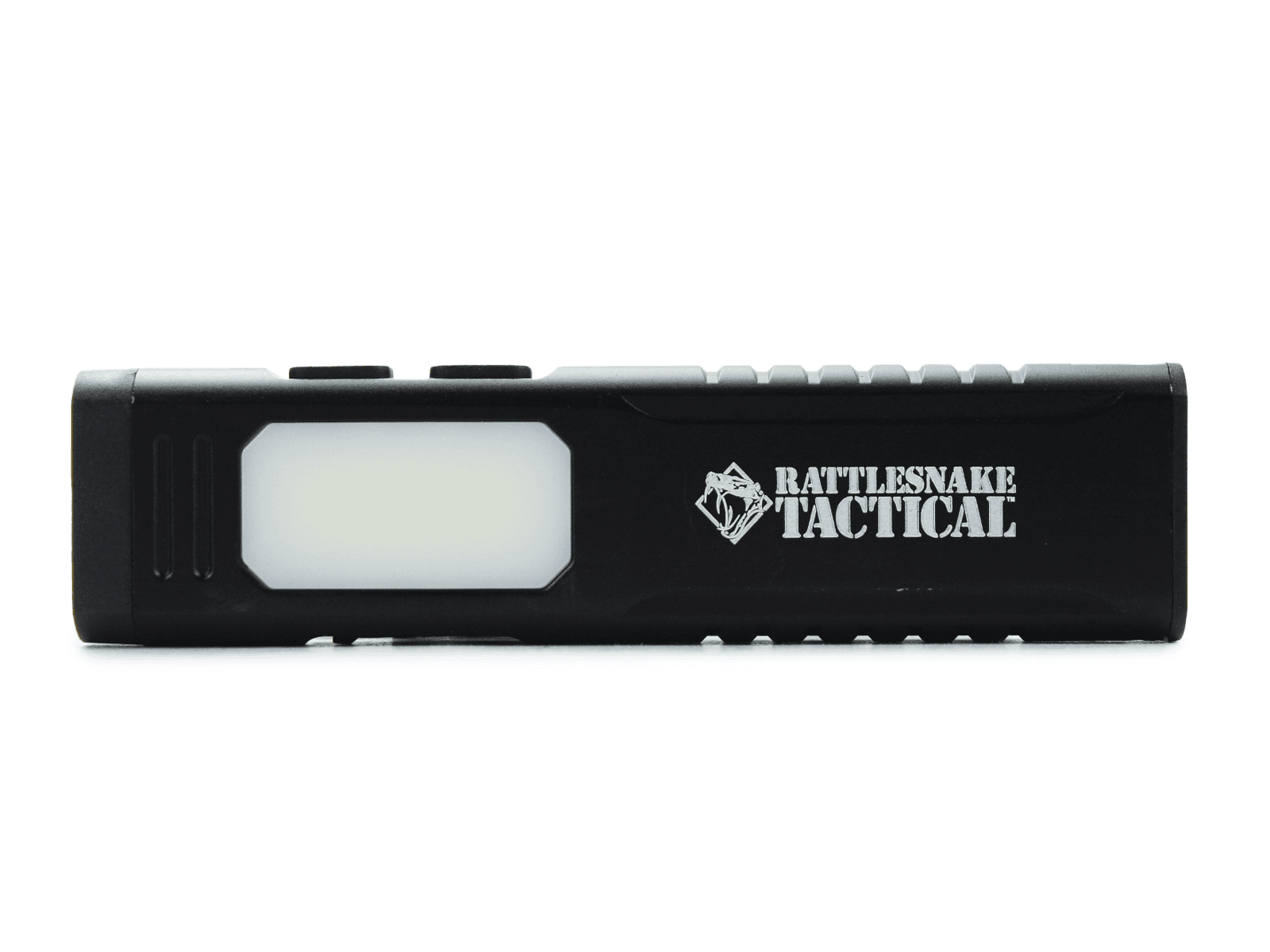
Rattlesnake Tactical 300-Lumen USB-C Rechargeable EDC Flashlight & COB Work Light with Magnetic Clip
300 lumens, a magnetic base, a pen clip, and a red warning alarm mode for under $10 make this the easiest light to toss in a pack, glove box, or ammo bag as a backup without thinking twice about the cost.
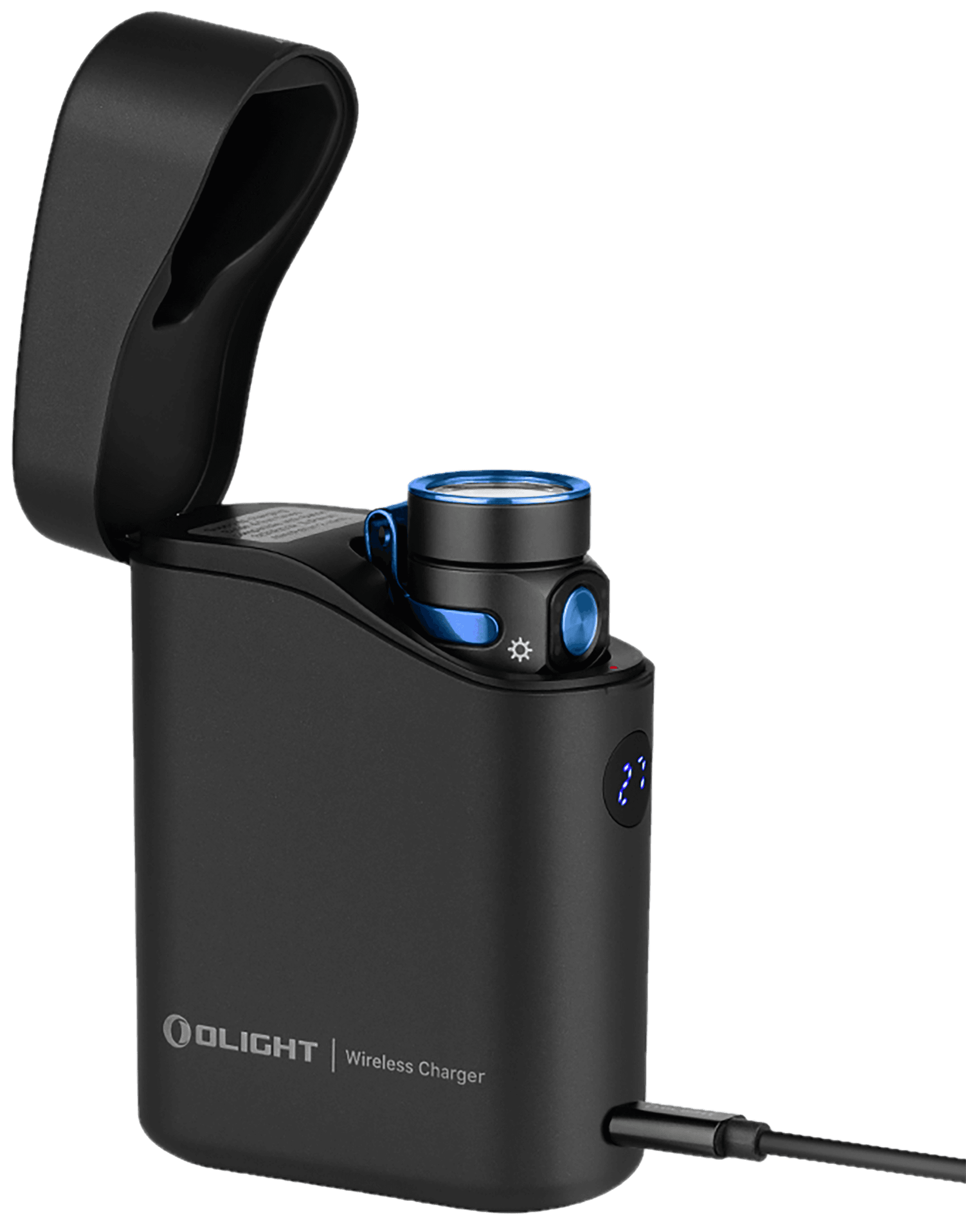
Shorter than an index finger but rated for 1,300 lumens and a 170m beam, the Baton 4 packs serious output into a genuine everyday-carry size. The included 5000mAh charging case recharges the light five times in the field or tops off a phone in a pinch.
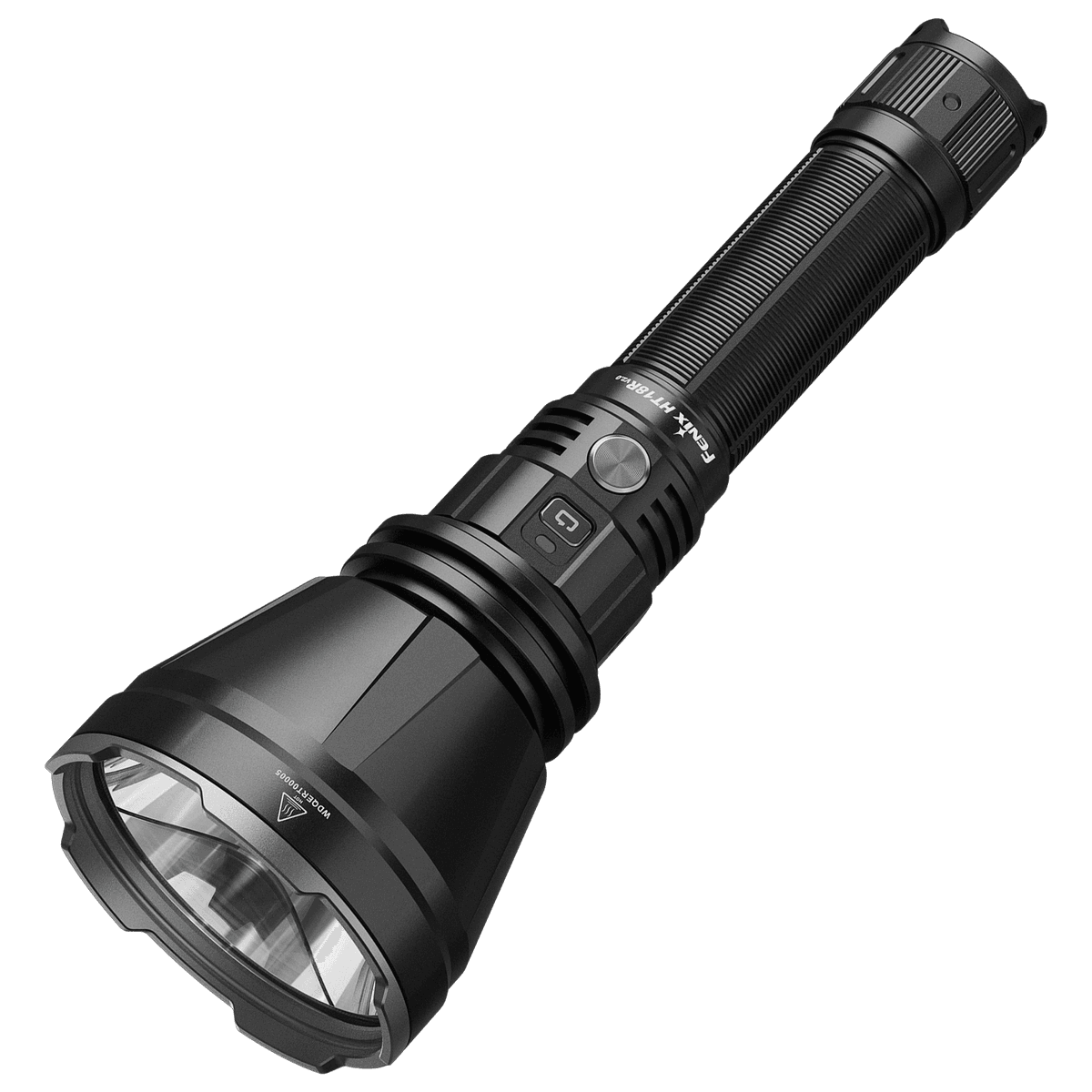
Fenix HT18R V2.0 3700 Lumen Long Range Rechargeable Tactical Flashlight
★★★★½(16)
A 1,203-yard beam means the HT18R can positively identify something more than half a mile out — genuinely useful for scanning a field edge or confirming movement at distance. Dual switches give one-handed control between brightness levels and instant turbo.
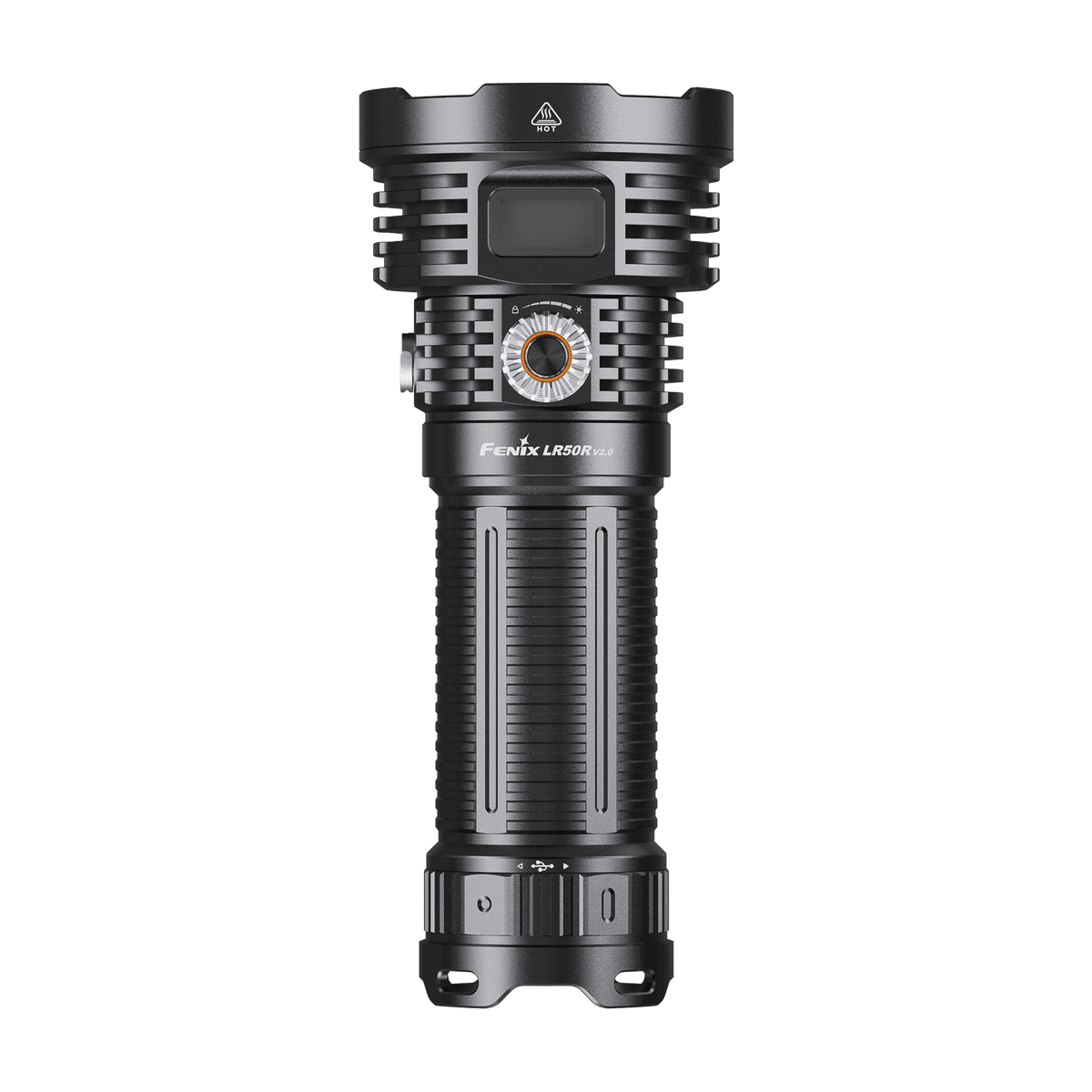
18,000 lumens and a 925-yard beam put the LR50R in a different class entirely — it's built around search-and-rescue-level output, with separate spot, flood, red, and UV modes plus an OLED display showing runtime and battery status in real time. Serious money for serious output.
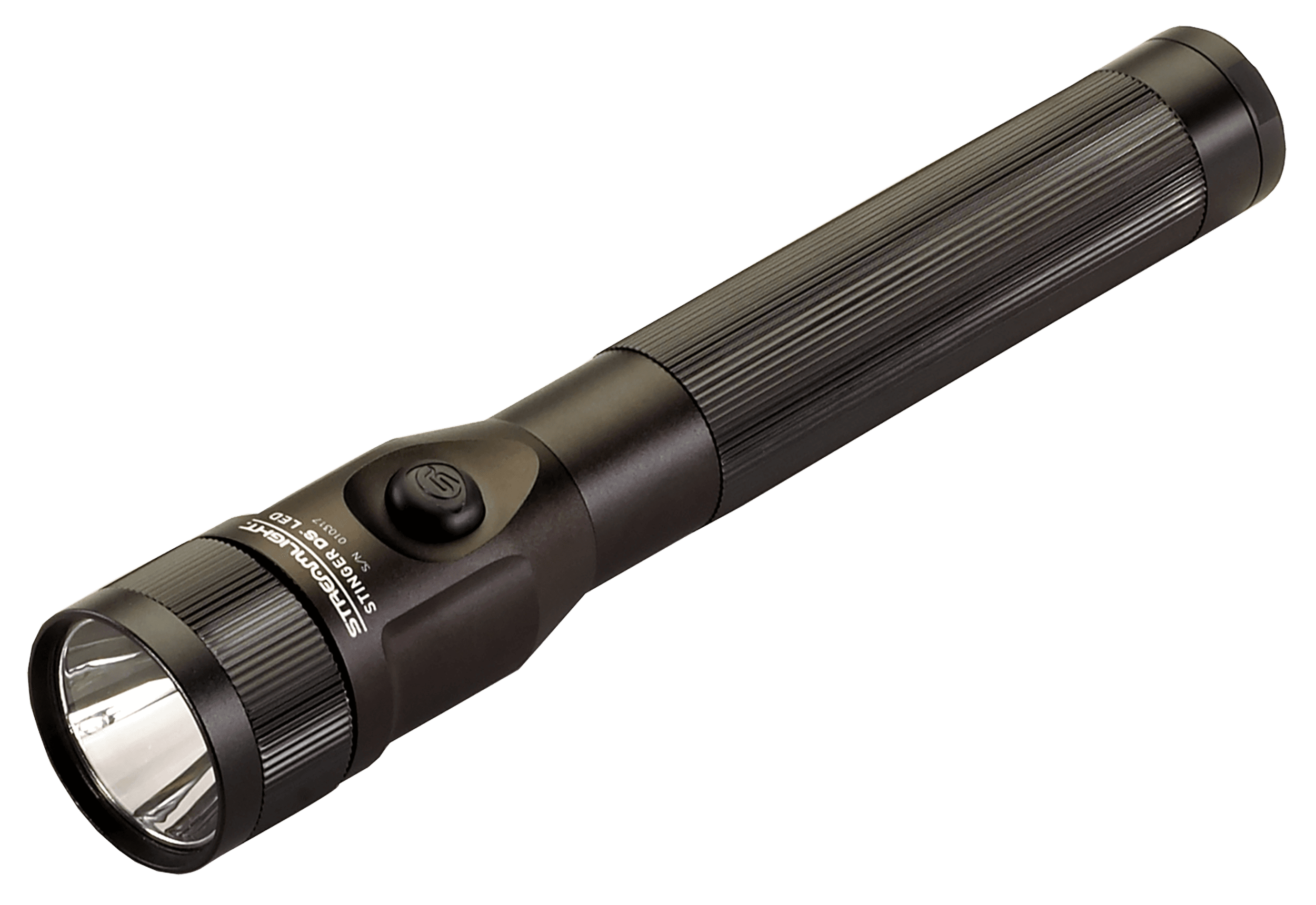
Streamlight Stinger DS LED Rechargeable Flashlight, 425 Lumens (Black)
★★★★½(1,488)
Streamlight built its name on duty-grade lights, and the Stinger DS is the longest-runner in that lineup — shock-proof C4 LED, a deep reflector for real throw, and dual switches across four modes for the kind of light that's expected to work every single time.
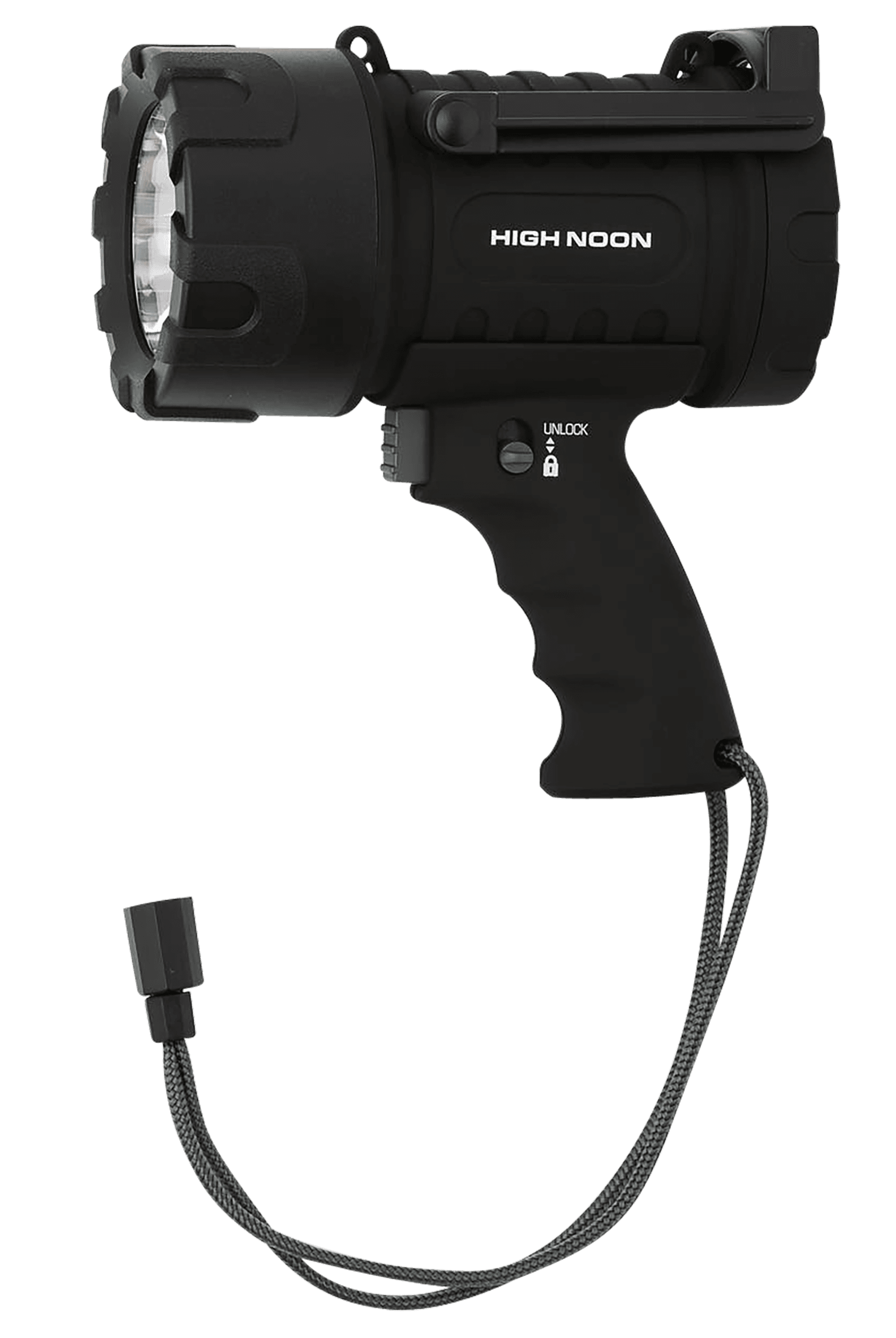
This is a dedicated handheld spotlight, not a compact EDC light — it floats, runs on 4 C batteries instead of a rechargeable cell, and includes an adjustable stand for hands-free use at camp or off the tailgate. The right tool when you need flood coverage over reach or pocketability.
Flashlights were evaluated on real-world beam distance and sustained output rather than headline lumen numbers alone, plus power source, build quality, and how well each fits a specific hunting or camp use case.
Beam distance over lumen bragging rights
A high lumen count on a turbo mode that lasts two minutes isn't the same as a light that actually reaches across a field. We weighted advertised beam distance and usable runtime alongside peak output.
Matched to a real use case
EDC, long-range tactical, camp spotlight, and duty-grade lights all solve different problems. Picks were chosen to cover those distinct situations rather than listing six similar mid-size lights.
Honest about ratings
None of the flashlights in this category currently have public star ratings or review counts on our site. Rather than invent numbers, every pick here stands on its specs and description alone.
Unless a page explicitly says a product was tested hands-on by HuntGearGuide, recommendations are based on product specifications, owner review data, merchant/manufacturer information, and practical hunting-use fit. Prices, ratings, review counts, and availability are point-in-time snapshots, so confirm the current merchant listing before buying.
Which Pick Is Right for You?
Choose the Rattlesnake Tactical if:
You want a cheap, capable backup light to keep in a pack, glove box, or ammo bag without a second thought about the cost.
Choose the Olight Baton 4 if:
You want serious output in a genuine pocket-sized light, plus a charging case that doubles as a backup power bank in the field.
Choose the Fenix HT18R if:
You need to positively identify movement at real distance — a field edge, a food plot, or half a mile of open ground.
Choose the Fenix LR50R if:
You want the most output and versatility available and don't mind paying for search-and-rescue-grade performance.
Choose the Streamlight Stinger DS if:
You want a duty-grade rechargeable light built to Streamlight's reputation for reliability over flashy spec-sheet numbers.
Choose the Browning High Noon if:
You want dedicated flood coverage for camp or the truck bed, not a light meant to live in your pocket.
What To Look For in a Hunting Flashlight
Advertised max lumens isn't the whole story
A flashlight's headline lumen number is usually its highest turbo setting, which often only runs for a minute or two before stepping down to protect the battery and LED. Usable mid and low modes, plus real sustained runtime, matter more for a night spent walking, scouting, or working around camp.
Rechargeable vs. removable batteries is a real tradeoff
Rechargeable lights (USB-C or proprietary cells) are cheaper to run long-term and usually more compact for their output, but they're dead once the battery is empty unless you're carrying a charger or power bank. Lights that run on standard AA, AAA, or C batteries are less convenient day-to-day but can be resupplied anywhere, which matters for multi-day trips far from an outlet.
Beam distance matters more than lumens for field use
Two lights with similar lumen ratings can throw very different distances depending on the reflector and lens design. If you need to identify movement at the far end of a field or food plot, look at the advertised beam distance in yards or meters, not just the lumen count.
FAQ
For general camp use, gear checks, and close-range tasks, 100 to 300 lumens on a mid or low mode is plenty and preserves battery life. For scanning a field edge or identifying movement at real distance, you'll want a light rated for 1,000+ lumens with a beam distance well past 300 yards, like the Fenix HT18R or LR50R.
A flashlight is built for portability and general use — EDC size, pocket clip, moderate beam. A dedicated spotlight, like the Browning High Noon, trades pocketability for a wider, more powerful flood beam and hands-free features meant for scanning a field, yard, or campsite rather than being carried all day.
Rechargeable lights are more cost-effective over time and often pack more output into a smaller body, which is why most EDC and tactical lights on this list use USB-C or proprietary rechargeable cells. Battery-powered lights (AA, AAA, C-cell) are worth choosing if you're on a multi-day trip without reliable charging access, since spare batteries are easy to carry and replace anywhere.
Disclosure: As an Amazon Associate, HuntGearGuide earns from qualifying purchases. Some links above are affiliate links from other partners too, at no extra cost to you. This helps us keep the tools free.